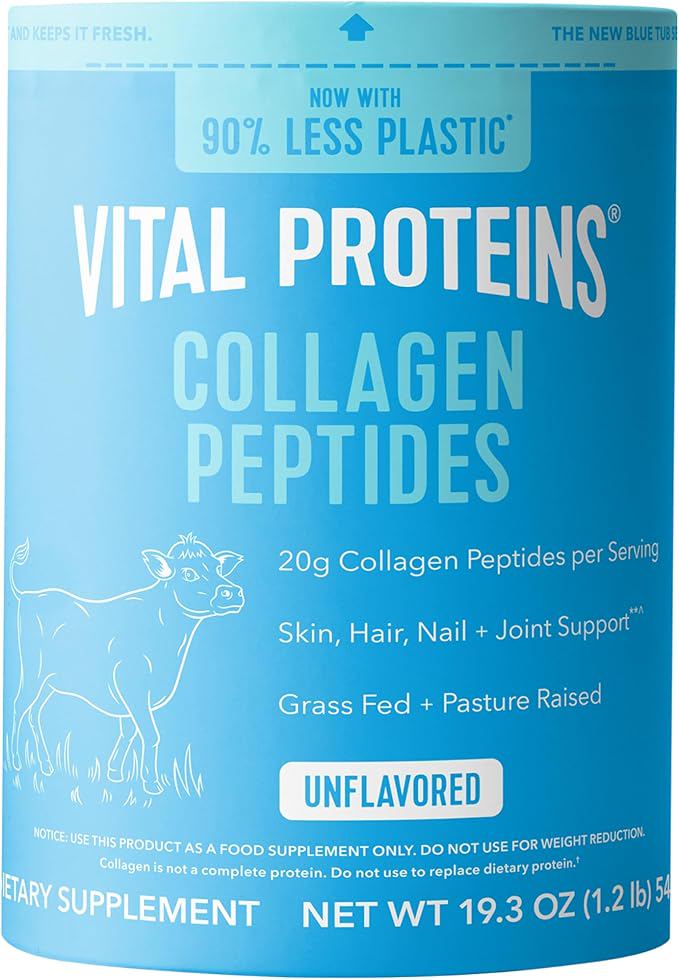
You are what you drink, especially when your skin relies on peptides to stay firm and smooth. Peptides—short chains of amino acids—are a cornerstone of skin elasticity and collagen production. But certain popular beverages can interfere with how well your body absorbs these crucial molecules. When peptide absorption is blocked, your skin's structural support system takes a direct hit, leading to sagging and fine lines faster than genetics alone would dictate.
The mechanism is straightforward: some compounds in drinks bind to peptides or accelerate their breakdown before they ever reach your bloodstream or skin cells. Over time, this daily interference adds up. The science is clear, but so is the solution: understanding which beverages to limit can help you protect your skin's resilience from the inside out.
How Coffee Affects Peptide Uptake
Morning coffee is a ritual for millions, but timing matters more than most people realize. The polyphenols in coffee—particularly chlorogenic acid—can complex with peptide chains, making them less bioavailable. When consumed within thirty minutes of a peptide-rich meal or supplement, coffee essentially binds to the amino acids and escorts them out of the body unused.
This doesn't mean you need to abandon coffee entirely. The negative interaction is dose-dependent and timing-specific. If you take a collagen supplement or eat eggs, fish, or bone broth for peptides, wait at least sixty minutes before your next cup. The acidity of coffee also taxes digestive enzyme activity, which further reduces peptide breakdown and absorption.
Alcohol and the Collagen Connection
Alcohol disrupts peptide absorption through multiple pathways. First, it irritates the gut lining, which impairs the transport of amino acids across the intestinal wall. Second, alcohol metabolism generates acetaldehyde, a compound that directly damages collagen fibers and reduces the activity of fibroblasts—the cells responsible for producing new collagen.
One evening of drinking can measurably reduce serum markers of collagen synthesis for up to twenty-four hours.
The type of alcohol matters less than the total load. While red wine contains resveratrol (an antioxidant that's beneficial in isolation), the ethanol content still inhibits peptide uptake. If you choose to drink, spacing your alcohol consumption away from meals and supplement times helps, but the most reliable approach for skin health is to keep alcohol intake moderate and occasional.
Dairy Milk and Casein Interference
Dairy milk presents a unique problem for peptide absorption because of its naturally high casein content. Casein is a slow-digesting protein, but it competes directly with supplemental or dietary peptides for transport receptors in the small intestine. The result is a traffic jam of amino acids—many of which never make it to the bloodstream.
This is particularly relevant for anyone drinking milk with a collagen supplement or alongside a meal high in fish or poultry. The competition for absorption limits the availability of key peptides like glycine and proline, which are essential for elastin production and skin firmness. Plant-based milk alternatives—such as oat, almond, or soy—do not cause this same competitive inhibition.
If dairy works for your overall nutrition, consuming it separately from your primary peptide sources can mitigate the issue. A two-hour gap between dairy consumption and peptide intake is usually sufficient to avoid absorption conflicts.
Sugary Soft Drinks and Glycation Damage
Sugary sodas and sweetened beverages do more than block peptide absorption—they turn the available peptides into a liability. High levels of fructose and glucose in these drinks trigger a process called glycation, where sugar molecules bond with amino acids to form advanced glycation end products (AGEs). These AGEs render peptides unusable for collagen synthesis and instead cause cross-linking in existing collagen fibers, making them brittle and less elastic.
This is a double insult: the peptides you consume are neutralized, while your existing skin structure is degraded. The effect is cumulative and visible over months to years. Even diet sodas pose a problem—not through sugar, but because their acidity and phosphoric acid content disrupt the pH balance needed for optimal digestive enzyme function.
Swapping just one sugary drink per day for water or unsweetened tea can measurably improve skin hydration and elasticity markers within four weeks.
Practical Steps to Protect Your Skin's Elasticity
You don't need to eliminate all of these drinks to see a difference. The key is strategic timing and mindful pairing. Here's a simple framework for preserving peptide absorption:
- Space out coffee and tea by at least one hour from meals or supplements that contain peptides. This prevents polyphenol binding.
- Choose unsweetened almond or oat milk if you need a beverage with collagen or protein-rich meals. These alternatives don't compete for absorption.
- Limit alcohol to no more than two servings per day, with at least four alcohol-free days per week. This gives your gut and fibroblasts time to recover.
- Drink water consistently throughout the day rather than reaching for flavored beverages. Proper hydration improves the efficiency of amino acid transport across the intestinal wall.
Supporting peptide absorption isn't about rigid restrictions—it's about understanding how different beverages interact with your body's metabolic pathways. When you give your peptides a clear path to work, your skin signals the change through improved tone, fewer fine lines, and better overall resilience.