
Understanding your menstrual cycle can give you valuable insight into your overall health. But certain everyday habits may actually interfere with your body’s natural signals, making it harder to notice when something is off. From pain relievers to birth control, here are four daily habits that can mask important menstrual cycle warning signs.
1. Relying on pain relievers for cramps
Nonsteroidal anti-inflammatory drugs (NSAIDs) like ibuprofen are a go-to for period pain, and they work well for many people. However, taking them regularly can dull the perception of pain that might otherwise prompt a conversation with a healthcare provider. Severe or worsening cramps that don’t respond to over-the-counter medication could signal conditions like endometriosis or fibroids. Masking that pain with daily medication may delay diagnosis and treatment.
2. Using hormonal birth control continuously
Skipping the placebo week and taking active birth control pills back-to-back can stop your period entirely for months at a time. While this is safe and even recommended for some medical conditions, it also means you lose the monthly bleed that can serve as a health checkpoint. Changes in bleeding patterns—or the complete absence of a period—can hide issues like uterine polyps, thyroid problems, or early pregnancy. If you’re on continuous birth control, it’s worth discussing with your doctor how else you might monitor your reproductive health.
3. Keeping a tampon or menstrual cup in too long
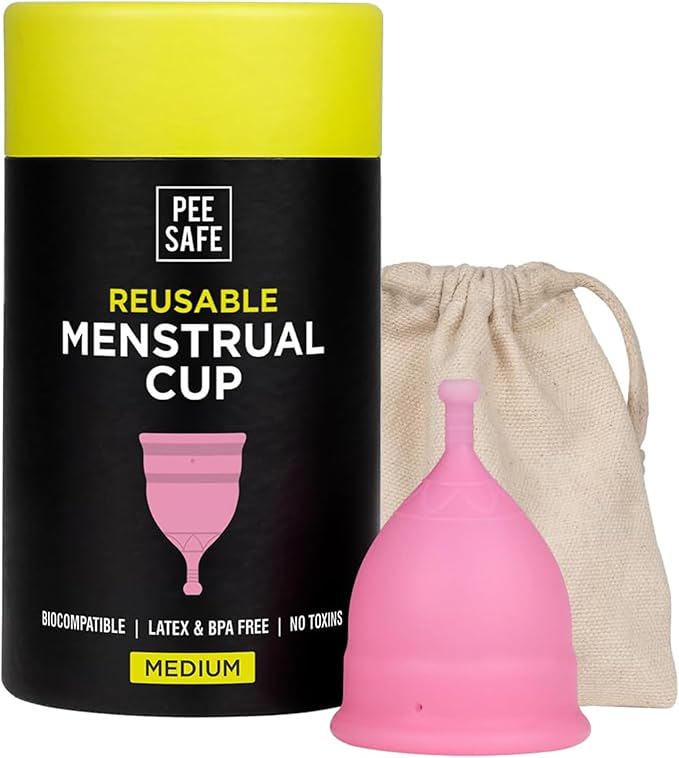
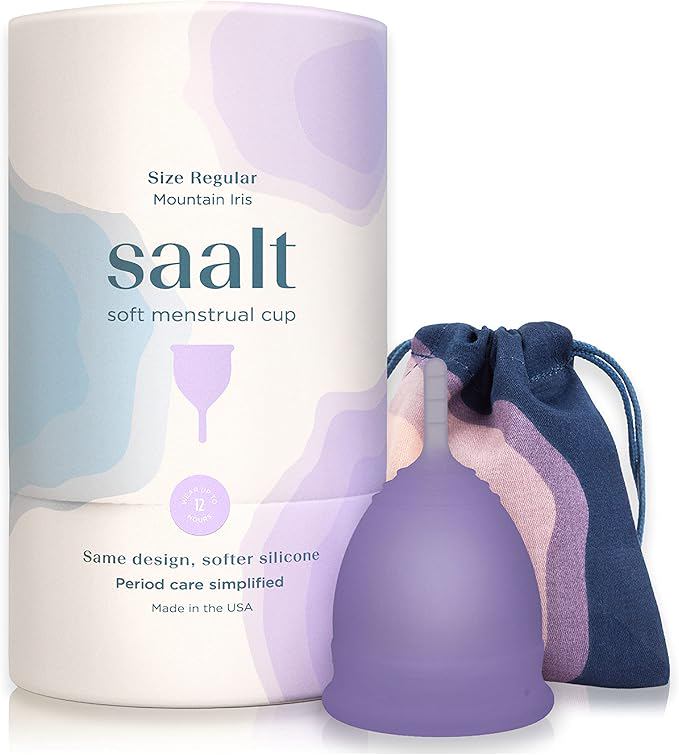
It’s easy to forget about a tampon or menstrual cup during a busy day, especially if your flow is light. But leaving either product inside for longer than recommended can lead to bacterial overgrowth and increase the risk of toxic shock syndrome (TSS). According to Dr. Rajeswari Pawar, consultant obstetrician and gynecologist at Motherhood Hospital, Pune, a tampon or cup should not stay in for more than 24 hours because it creates a warm, moist environment where bacteria thrive. If your flow is heavy, changing your tampon two or three times a day is advisable. A forgotten tampon can also cause unusual discharge or odor—symptoms that might otherwise alert you to an infection.
Tip: Set a phone reminder to change your product every 4–8 hours, especially toward the end of your period when flow is light.
4. Using scented menstrual products or douches
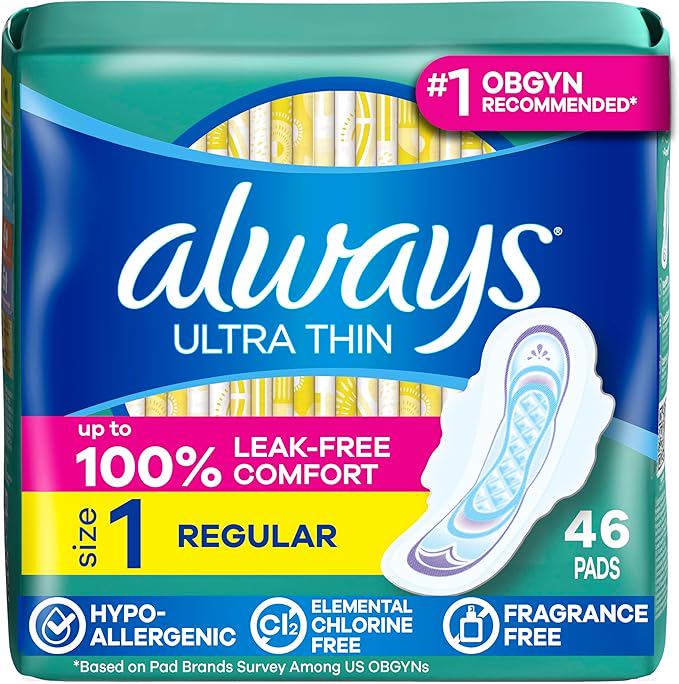
Many people reach for scented pads, tampons, or intimate washes to feel fresher during their period. But these products can irritate the vaginal lining and disrupt the natural microbiome. They may also cause a temporary change in discharge or smell that masks early signs of bacterial vaginosis or a yeast infection. When you use unscented products, you’re more likely to notice subtle changes in odor, color, or consistency—early clues that your body needs attention.
What to do if you suspect something is wrong
If you’ve been relying on any of these habits and are concerned about what you might be missing, a good first step is to keep a simple symptom diary. Note the length and heaviness of your period, any pain you feel, and any unusual discharge. Share this record with your healthcare provider during your next visit. Routine checkups remain your best tool for catching issues early, even when your period itself seems normal.
Remember: the goal isn’t to avoid these habits completely—it’s to use them with awareness. Pain relievers, birth control, and menstrual products all have important roles. But knowing how they can affect the signals your body sends is key to staying in tune with your health.