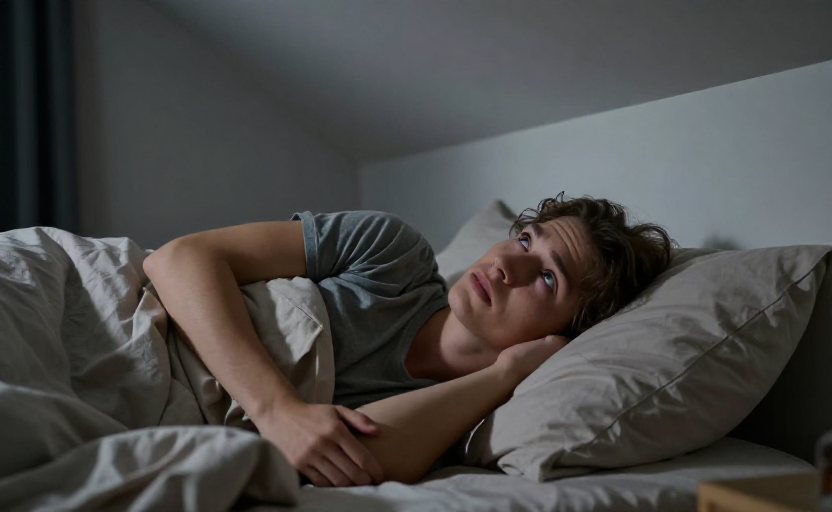
You’ve been lying in bed for what feels like an hour. Your mind is looping through tomorrow’s to-do list, replaying a conversation from three days ago, or worrying about something you can’t change. Sleep anxiety has a way of hijacking the quiet we need most. And while the intention is to rest, some of the things we try in frustration actually make it harder to fall—and stay—asleep.
After working with many people who struggle at bedtime, I’ve noticed four patterns that reliably backfire. Recognizing them is the first step toward a calmer night.
1. Trying too hard to force sleep
The moment you start telling yourself “I have to fall asleep right now,” your nervous system takes it as an alarm. Cortisol rises, the heart rate may increase slightly, and your brain interprets the urgency as a threat. Paradoxically, the harder you try to make sleep happen, the more elusive it becomes.
This is sometimes called “performance anxiety” around sleep. If you’ve ever glanced at the clock, calculated how few hours remain, and felt a wave of panic, you know exactly what this feels like. The fix isn’t more effort—it’s letting go of the outcome.
A simple shift: instead of “I need to sleep,” tell yourself “I can rest quietly even if I don’t sleep.” That single permission slip can calm the alarm system.
2. Staying in bed while fully awake and frustrated
Another common mistake is spending extended periods lying in bed while wired. Over time, the brain starts to associate the bed with alert frustration rather than sleep. This weakens the psychological link between your mattress and restfulness—a process known in sleep science as conditioned arousal.
If you’ve been awake for more than 20–25 minutes and feel stuck, it’s actually more effective to get up briefly. Go to another dimly lit room, do something quiet (read a calm book, listen to a relaxing audio, or fold laundry), and return to bed only when you feel sleepy again. This rebuilds the mental connection that bed equals sleep.
3. Using the bed as a second office or living room
In small living spaces, the bed often becomes a multi-purpose zone—working on a laptop, scrolling social media, watching TV, or eating snacks. The problem is that the brain doesn’t compartmentalize well. When you bring high-alert activities (emails, stressful shows, bright screens) into the bedroom, the environment loses its sleep-promoting power.
It’s not just about blue light; it’s about context. The bed should be primarily for sleep and intimacy. Even if space is limited, try making a clear boundary: the bed is for resting only. This small behavioral change signals your brain more effectively than any app or gadget can.
4. Reaching for sleep aids and alcohol as a nightly habit
It’s understandable to want a shortcut when you’re desperate for rest. But many common sleep crutches—especially alcohol and over-the-counter antihistamine-based pills—disrupt sleep architecture once the initial effect wears off. Alcohol may help you fall asleep faster, but it reduces REM and deep sleep later in the night, causing more awakenings and morning grogginess.
Regular reliance on sleep aids without addressing the root cause of the anxiety can also create psychological dependency. You begin to believe you cannot sleep without the substance, which feeds the anxiety cycle. A better long-term approach is building calming sleep hygiene and addressing daytime stress patterns.
How to break the cycle
Correcting these mistakes doesn’t require perfection. Start with one small change: the next time you catch yourself trying to force sleep, pause and reframe. Choose rest over performance. And consider keeping a notepad by your bed—jotting down racing thoughts can create enough distance for your mind to settle.
If sleep anxiety has been a long-standing issue, working with a cognitive-behavioral therapist who specializes in insomnia (CBT-I) is one of the most evidence-backed approaches. In the meantime, being kind to yourself about the struggle is part of the solution—not a sign of weakness.