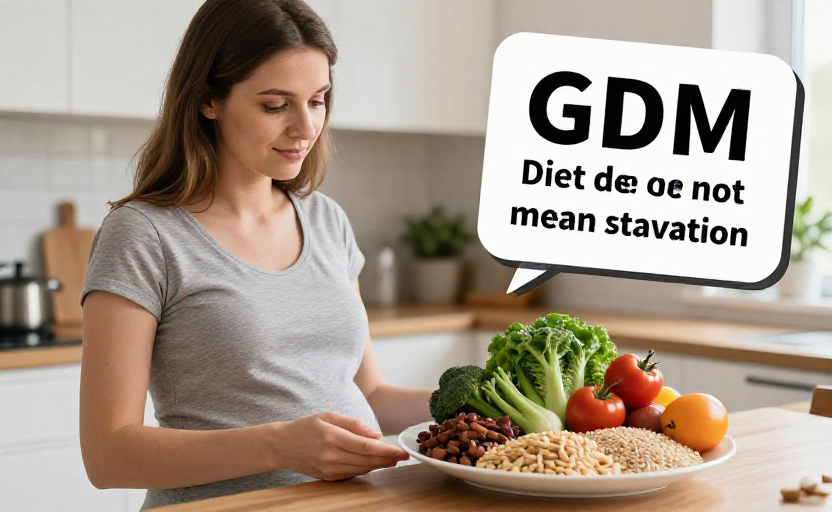
Learning you have gestational diabetes mellitus (GDM) can feel like a rug has been pulled out from under your carefully laid pregnancy plans. Suddenly, every meal feels like a test, and the pressure to get it “perfect” is immense. You want to protect your baby, and that often leads to drastic dietary changes. But here is the nuanced truth that many women discover too late: the most common mistakes in a gestational diabetes diet come from trying too hard, not from not trying hard enough.
Constriction, fear, and rigid rules often backfire, leading to erratic blood sugar levels, nutritional gaps, and unnecessary stress. As a health editor who has spoken with dietitians specializing in maternal-fetal medicine, I have seen these four patterns surface repeatedly. Let’s walk through them so you can navigate your GDM diagnosis with a steady hand and a clear plate.
1. Over-Restricting Carbohydrates to the Point of Elimination
The first instinct for many is to slash carbs entirely. It seems logical: if sugar and starch raise blood glucose, removing them should fix the problem. However, this approach is misleading and potentially harmful. Carbohydrates are the primary fuel source for both you and your growing baby. Cutting them too low can force your body into a state of ketosis, which is not safe during pregnancy.
The real goal of GDM management is not elimination—it is quality and timing. Complex carbohydrates that are rich in fiber digest slowly, preventing the sharp spikes that simple sugars cause. Instead of banning bread, focus on swapping white bread for whole-grain, or choosing steel-cut oats over instant packets.
Quick rule of thumb: Aim for a small serving of carbohydrates at each meal and snack, roughly the size of your cupped hand. Pair it with protein, healthy fat, and vegetables to buffer the glucose release.
Common fiber-rich carbs to include: quinoa, barley, beans, lentils, sweet potatoes (with skin), and whole fruit like berries or apples. These deliver steady energy and essential vitamins like folate and magnesium.
2. Falling for the “Sugar-Free” Trap with Artificial Sweeteners
When you are diagnosed with GDM, the allure of diet sodas, sugar-free candies, and “no sugar added” treats can be strong. Many women believe these products are a free pass. Unfortunately, this is a tricky area with minimal good news.
While some artificial sweeteners are considered safe in limited amounts during pregnancy, they can disrupt your gut microbiome and, in some women, still trigger an insulin response. More immediately, these products often reinforce a sweet-craving cycle. When you consume something that tastes intensely sweet but provides no nutrition, your brain still anticipates sugar, making it harder to be satisfied with naturally sweet foods like fruit.
A healthier approach is to retrain your palate. Satisfy a sweet craving with a small portion of fresh fruit combined with a fat source, such as apple slices with almond butter or a small bowl of berries with full-fat Greek yogurt.
3. Eating Too Infrequently or Skipping Meals Entirely
Calorie restriction aside, another common misstep is falling into an irregular eating pattern. You might skip breakfast because you are nauseous or have a busy morning, or you might skip a snack to “save” your blood sugar for a larger dinner. This pattern can be counterproductive.
Your body needs a steady stream of nutrients to maintain stable glucose levels. When you go too long without eating (more than 3–4 hours), your liver releases stored glucose to keep your energy up, which can actually cause a blood sugar spike even if you haven’t eaten anything. This is known as a fasting or compensatory spike.
The solution is a structured eating schedule: three moderate meals and two to three small snacks per day. This keeps your glucose levels on an even keel and prevents the intense hunger that leads to overeating later. Think of it as steady-state fueling rather than feast-or-famine.
4. Neglecting Protein and Fat as Key Allies
It’s easy to become hyper-focused on the carb count of every single food item, but this often leads to meals that are unbalanced. A plate of just a piece of chicken and a salad might have zero carbs, but it also lacks the satiety and metabolic support that healthy fats and adequate protein provide.
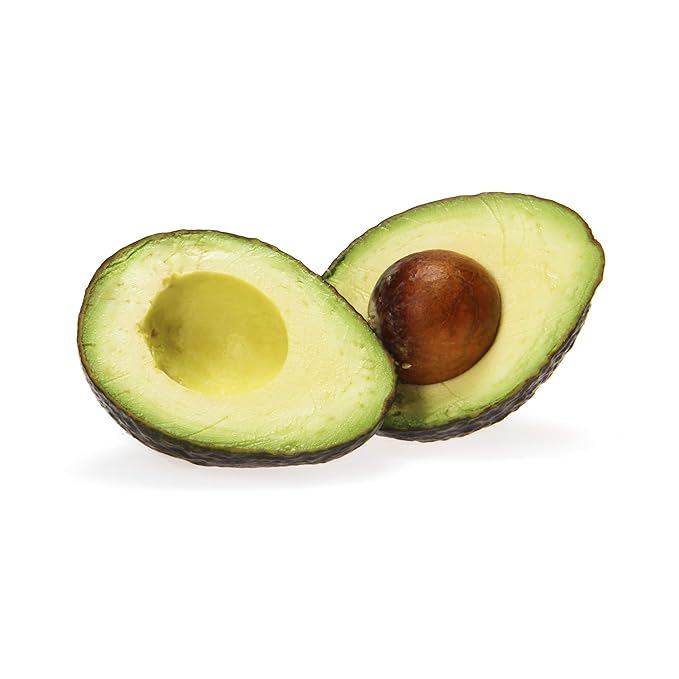
Protein and fat are the unsung heroes of GDM management. Protein slows digestion, which blunts the absorption of glucose from any carbs you eat alongside it. Healthy fats (avocado, olive oil, nuts, seeds) promote satiety and provide essential fatty acids for your baby’s brain development. A typical mistake is eating a carb-heavy breakfast like a bagel or cereal that causes a rapid spike. Contrast that with a breakfast of two scrambled eggs with spinach and half an avocado—almost no spike, steady energy for hours.
The Bigger Picture: This Is Not Your Fault
Gestational diabetes is largely driven by placental hormones that block the action of insulin. You did not cause it by eating poorly before your diagnosis. You are not a failure if your numbers are not perfect. Your job now is to work with your body by using food as a tool, not a punishment. Small, consistent corrections—choosing better carbs, spacing your meals, respecting protein—are far more powerful than drastic overhauls.
Always keep your OB-GYN and a registered dietitian in the loop before making changes to your eating plan. Every pregnancy is different, and what works for one woman may not work for another. Your goal is a healthy baby, a healthy mom, and a manageable path through the rest of your pregnancy.