
Recovering from chronic stress is rarely straightforward. You may be doing the right things on paper—sleeping more, trying to relax, cutting back on obligations—yet still feel stuck in a loop of tension and fatigue. Often, the problem isn't a lack of effort; it's that certain well-intentioned habits are working against you.
Here are four common mistakes people make when trying to recover from chronic stress, along with practical shifts that can help the nervous system actually settle down.
1. Treating all rest as equal
It is easy to assume that any time spent not working counts as recovery. But passive scrolling through social media, binge-watching a tense series, or lying in bed while mentally replaying the day's worries is not restorative rest. The brain remains in a high-alert state, processing information and emotional cues rather than powering down.
True rest for a stressed nervous system requires activities that lower cognitive load: gentle walking without a podcast, staring out a window, slow breathing, or simply sitting in silence. If you finish a "rest" session feeling just as drained as when you started, consider swapping passive screen time for unstructured, low-stimulus downtime.
Rest is not the absence of activity—it is the presence of calm.
2. Skipping the small anchors of routine
When stress is high, structure often falls apart. Meals become erratic, sleep schedules drift, and morning rituals vanish. Many people believe that ditching routine will reduce pressure. In reality, the opposite is true: a chaotic day forces the brain to make endless micro-decisions, which drains mental energy and keeps stress hormones elevated.
You do not need a rigid schedule. Even two or three small anchors—eating breakfast at roughly the same time, a five-minute morning stretch, a consistent bedtime window—can signal safety to the nervous system. These predictable patterns reduce the overall cognitive load, freeing up energy for genuine recovery.
3. Over-optimizing sleep at the expense of daytime cues
It is common to pour all recovery efforts into the nighttime routine: blackout curtains, supplements, strict bedtimes. Yet sleep quality is heavily influenced by what happens during the day. If you spend daylight hours under artificial light, sitting still indoors, and eating irregularly, the body's internal clock never gets strong timing signals.
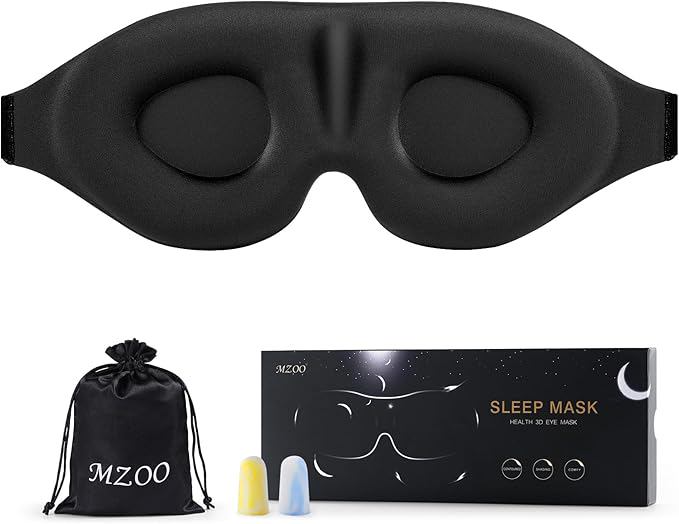
Getting natural morning light—even for ten minutes—and moving your body earlier in the day helps anchor the circadian rhythm. When daytime cues are weak, no amount of nighttime tweaking will produce deep, restorative sleep. A short walk outdoors before noon may do more for your recovery than an expensive sleep mask.
4. Confusing distraction with emotional processing
When stress builds, the instinct is often to keep busy, avoid uncomfortable feelings, or "think positive." These distraction strategies work in the short term, but they block the deeper processing that the brain needs to metabolize stress. Unresolved emotions get stored in the body, contributing to tension, headaches, digestive issues, and persistent fatigue.
Genuine recovery includes space for difficult feelings. This does not mean dwelling on problems for hours. Short, intentional check-ins—writing three sentences about how you feel, naming the emotion aloud, or simply allowing a few tears without judgment—help the nervous system complete the stress response cycle. Suppression keeps the loop running.
Recovering from chronic stress is less about adding more to your plate and more about identifying what is quietly undermining your efforts. Small adjustments to how you rest, structure your day, anchor your sleep cycle, and handle emotions can shift the body out of survival mode. If you suspect your current recovery approach is not working, look for these four missteps first.