When it comes to managing acne, what you put on your plate can be just as important as what you put on your face. Dietitians point to a growing body of research showing that chronic low-grade inflammation plays a central role in breakouts. By choosing foods that cool that internal fire, you may help calm angry skin and support a clearer complexion over time.
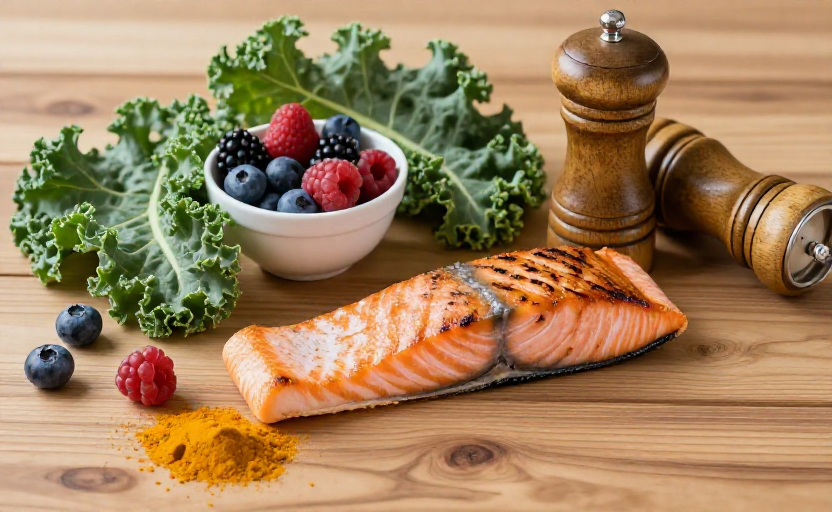
Here are four anti-inflammatory foods that dietitians consistently name as allies for acne-prone skin—backed by nutrition science and easy to add to your daily meals.
Fatty Fish
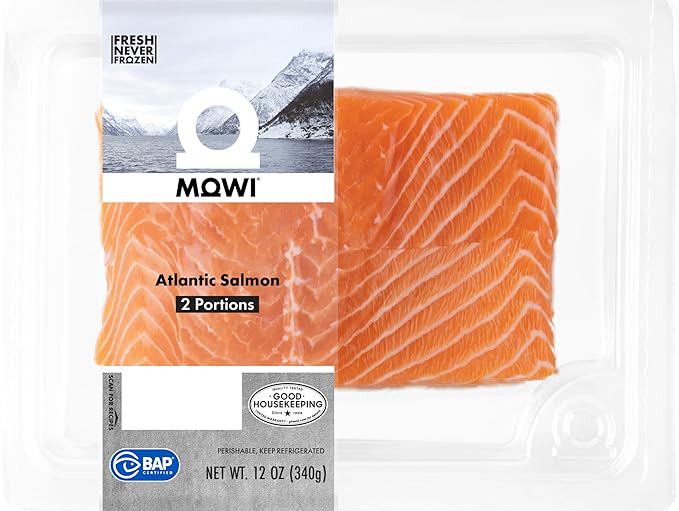
Salmon, mackerel, sardines, and anchovies are rich in omega-3 fatty acids, specifically EPA and DHA. These polyunsaturated fats help reduce the production of inflammatory molecules called cytokines. For acne-prone skin, that matters because inflamed, red pimples are fueled by these very signals.
"Omega-3s help regulate the skin's oil production and improve hydration, which can reduce the likelihood of clogged pores," says registered dietitian nutritionist Maya Feller.
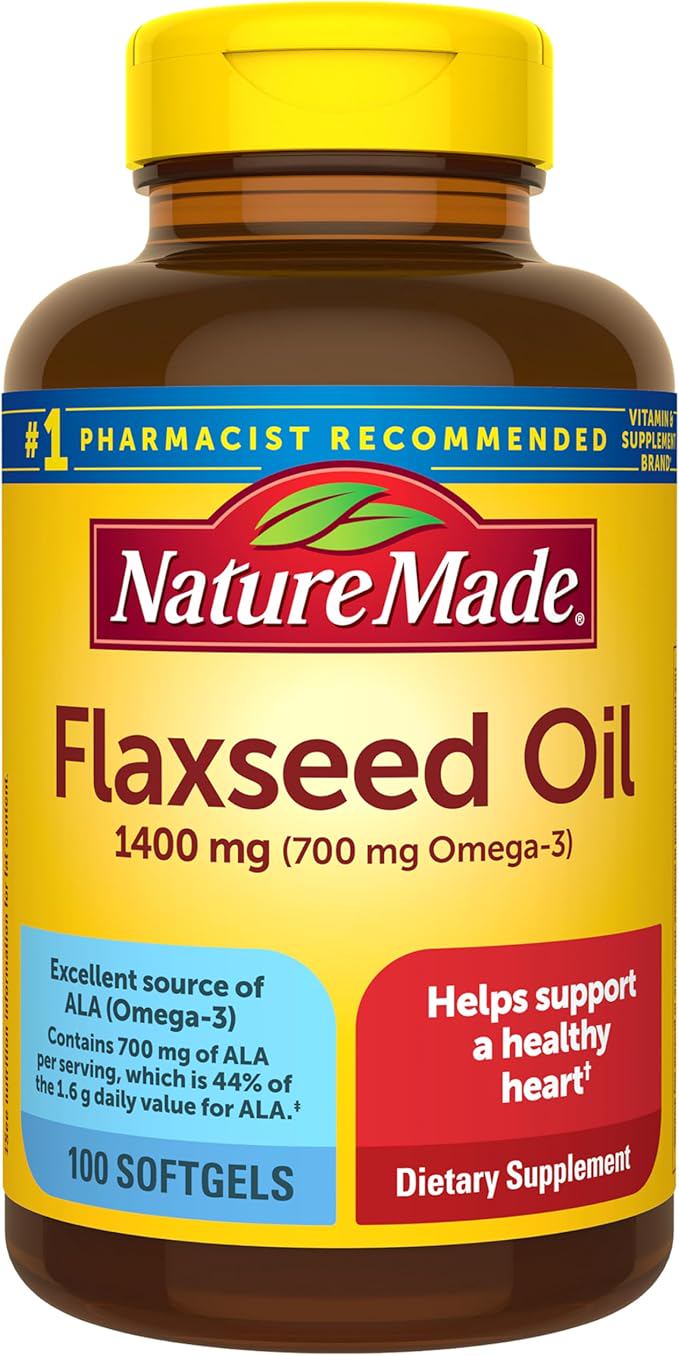
Aim for two servings of fatty fish per week. If you don't eat fish, a high-quality algae-based omega-3 supplement is a plant-friendly alternative—but whole food sources are preferred for their additional nutrients like selenium and vitamin D.
Leafy Greens and Cruciferous Vegetables
Spinach, kale, Swiss chard, broccoli, and Brussels sprouts are packed with antioxidants like vitamin C, beta-carotene, and flavonoids. These compounds neutralize free radicals—unstable molecules that can trigger inflammatory cascades in the skin. Many of these greens also provide vitamin A precursors, which support healthy skin cell turnover.
Dietitians recommend eating a variety of colorful vegetables daily. A simple goal: fill half your plate with vegetables at lunch and dinner. The fiber in these plants also helps stabilize blood sugar, which may reduce insulin spikes that can worsen acne.
How to add them
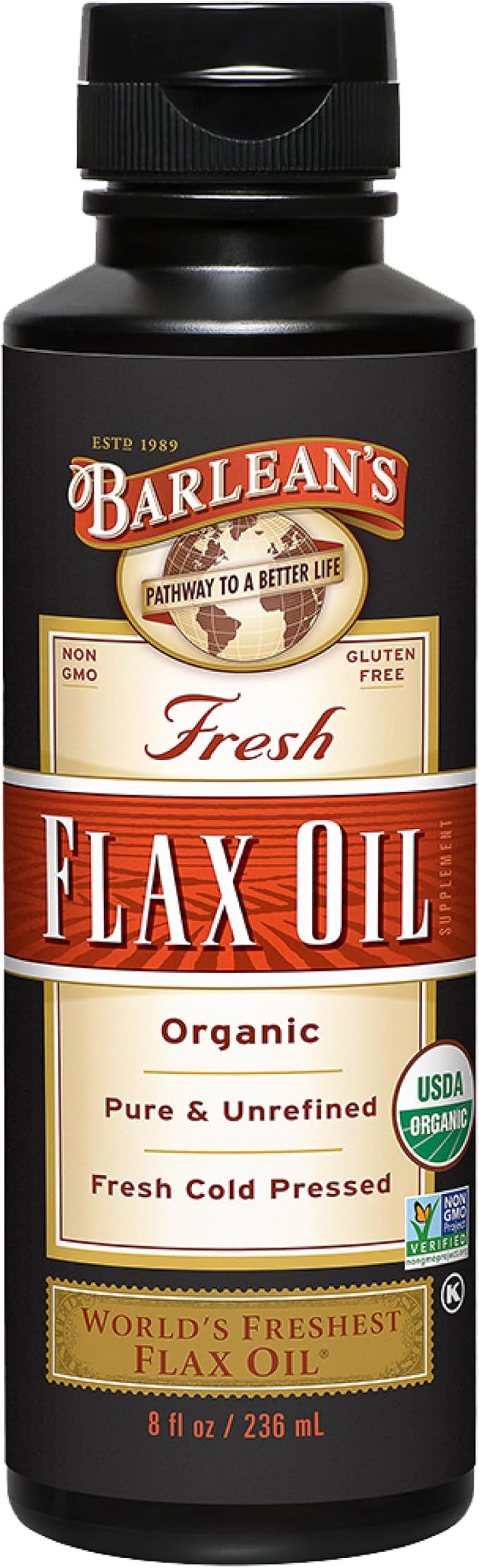
- Toss a handful of spinach into a smoothie with berries and flaxseed.
- Roast broccoli with olive oil and garlic for a side dish.
- Use kale as a base for salads or sauté it with lemon juice.
Berries and Tart Cherries
Blueberries, strawberries, raspberries, and blackberries are among the highest-antioxidant fruits available. Their deep colors come from anthocyanins, compounds that inhibit inflammatory pathways at the cellular level. Tart cherries, in particular, have been studied for their ability to lower markers of inflammation like C-reactive protein.
Unlike high-sugar processed snacks, berries deliver sweetness with a low glycemic load—meaning they won't cause a rapid blood sugar spike that can trigger acne-promoting hormones. Dietitians suggest using them as a natural dessert or topping for oatmeal and yogurt.
"Berries are one of the few foods that actually taste like a treat while actively fighting inflammation," notes dietitian Patricia Bannan.
Turmeric with Black Pepper
Turmeric contains curcumin, a potent anti-inflammatory polyphenol. Curcumin blocks several inflammatory enzymes and transcription factors, including NF-κB, which is overactive in inflammatory skin conditions. However, curcumin is poorly absorbed on its own—the piperine in black pepper can increase its bioavailability by up to 2000%.
Dietitians recommend using turmeric as a spice in cooking rather than relying on supplements, which vary widely in quality. A common tip: combine turmeric with a pinch of black pepper and a source of fat (like coconut milk or olive oil) to maximize absorption.
Try adding turmeric to golden milk lattes, soups, roasted vegetables, or scrambled eggs. For acne support, consistent daily intake is more important than occasional large doses.
A note on consistency: No single food will clear acne overnight. These four foods work best as part of an overall anti-inflammatory eating pattern—meaning plenty of plants, healthy fats, lean protein, and minimal added sugar and processed foods. Dietitians emphasize that skin improvements often take several weeks of consistent dietary changes.
If you have severe or persistent acne, it's wise to work with a dermatologist and a registered dietitian who can tailor recommendations to your specific needs.