Sleep anxiety is a quiet cycle: the more you worry about not sleeping, the harder it becomes to drift off. Over time, that nighttime tension can deepen, turning occasional restless nights into a persistent struggle. Recognizing when your sleep anxiety is escalating is the first step toward breaking the pattern. Here are three warning signs that indicate your sleep anxiety may be getting worse — and what to do about it.
You Dread Bedtime Hours Before You Actually Lie Down
If you find yourself feeling a sense of unease or outright dread as evening approaches — even while you're still brushing your teeth or getting into pajamas — that's a red flag. Anticipatory anxiety about sleep means your brain has started to associate your bedroom with frustration and vigilance, not rest. This can trigger a stress response hours before your head hits the pillow, making it physiologically harder to fall asleep when you finally do.
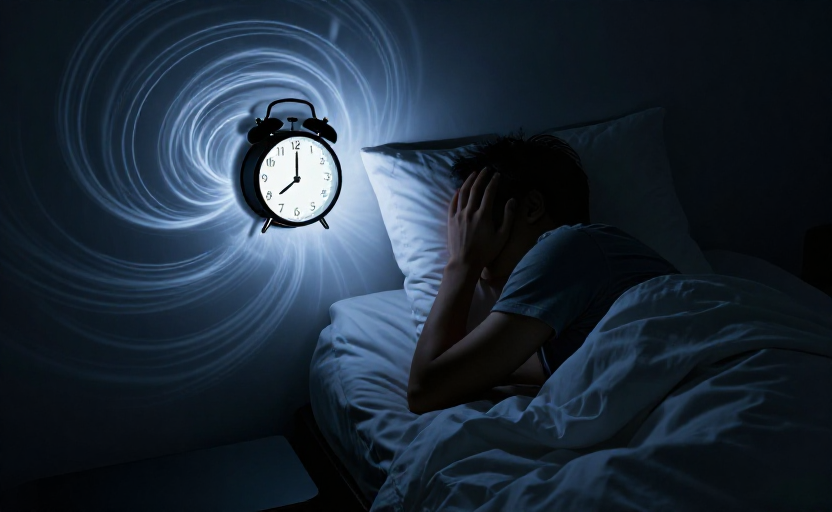
Instead of waiting for bedtime to feel anxious, your nervous system is now primed to expect a battle every night. This often leads to behaviors like checking the clock repeatedly, calculating how many hours of sleep you have left, or going to bed earlier in an attempt to "catch up" — all of which can backfire and intensify the anxiety.
You Wake Up Frequently and Cannot Fall Back Asleep
Waking up once or twice during the night is normal. But if you find yourself waking multiple times with a racing heart, sweaty palms, or a flood of worried thoughts — and then lying awake for 30 minutes or more — your sleep anxiety may be progressing. The hallmark of worsening sleep anxiety is not just trouble falling asleep but trouble staying asleep.
This type of fragmented sleep is often driven by hyperarousal: your nervous system remains on high alert even during sleep. Common triggers include worrying about the next day's tasks, replaying conversations, or panicking about how little sleep you're getting. The irony is that the more you wake up and stress about not sleeping, the more your body learns to stay awake, reinforcing the cycle.
Your Anxiety About Sleep Starts to Affect Your Daytime Life
When sleep anxiety moves beyond the bedroom, it becomes a broader health concern. Warning signs include feeling fatigued, irritable, or "foggy" during the day — but also noticing that you can't stop thinking about sleep even when you're fully awake. You might cancel social plans because you're worried about how you'll sleep that night, or spend excessive time researching sleep tips instead of engaging in normal activities.
This is where sleep anxiety crosses into a pattern of hypervigilance and avoidance, which can interfere with work, relationships, and overall quality of life. If you find yourself avoiding certain foods, drinks, or conversations because you fear they might affect your sleep, or if you feel a constant low-level worry about your rest, it's time to take the pattern seriously.
A gentle note: Experiencing one or more of these signs doesn't mean you have a serious sleep disorder, but it does suggest your sleep anxiety is moving in the wrong direction. The earlier you address it, the sooner you can regain a sense of calm around bedtime.
What You Can Do About Worsening Sleep Anxiety
Small, consistent changes can help dial back the intensity. Consider keeping a worry journal beside your bed — writing down anxious thoughts 30 minutes before sleep can offload them from your mind. Establishing a relaxing wind-down routine (like a warm bath, gentle stretching, or reading fiction) can signal safety to your nervous system. Try limiting clock-watching by turning your phone or alarm clock away from you.
If daytime life is being affected, talking with a healthcare provider or a therapist who specializes in cognitive behavioral therapy for insomnia (CBT-I) can be transformative. CBT-I is a structured, non-pharmaceutical approach that directly addresses the thoughts and behaviors fueling sleep anxiety.
Remember: sleep is a natural process, not a performance. When you shift your focus from trying to sleep to creating conditions for sleep, you often get the rest you need without the struggle.