
Pregnancy cravings are a nearly universal experience, often painted in a humorous light—pickles and ice cream at midnight, a sudden obsession with citrus, or a deep need for a specific brand of potato chips. For most, these urges are a normal, if quirky, part of the journey. They’re driven by hormonal shifts, heightened senses, and your body’s intuitive way of seeking nutrients it might need more of.
But sometimes, a craving can be a whisper—or a shout—from your body that something is off balance. It’s the line between a simple desire and a potential red flag. Knowing how to spot the difference can help you care for yourself and your baby with greater confidence and peace of mind.
When a Craving Crosses the Line from Quirky to Concerning
So how do you tell the difference? It’s less about what you’re craving and more about the nature of the craving itself. The context, intensity, and what accompanies the urge are your best clues. A passing thought for something salty is worlds apart from a compulsive, all-consuming need.
Trust your instincts. If a craving feels alarming or radically different from your normal patterns, it’s worth paying closer attention. The following signs are not meant to diagnose, but to guide you toward a helpful conversation with your healthcare provider.
1. Cravings for Non-Food Items (Pica)
This is the most clear-cut warning sign. The craving to eat substances that have no nutritional value and are not food is known as pica. It’s more common in pregnancy than many realize.
Common non-food cravings include:
- Ice (pagophagia is the specific term for compulsive ice eating)
- Dirt, clay, or soil
- Chalk or plaster
- Laundry starch
- Paper or cardboard
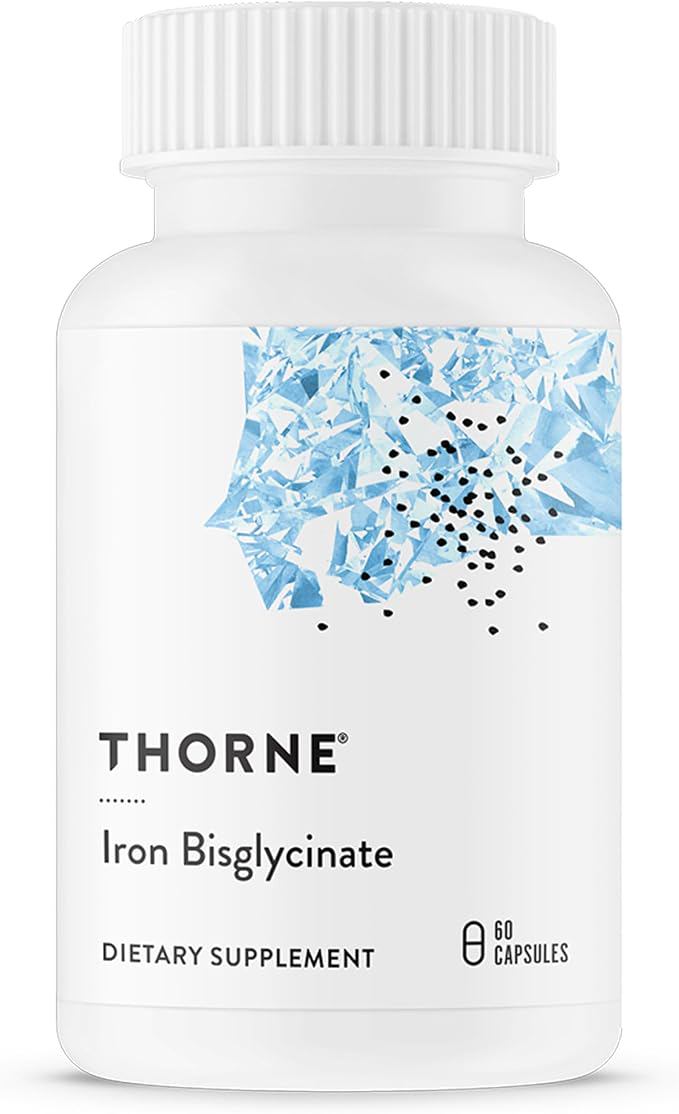
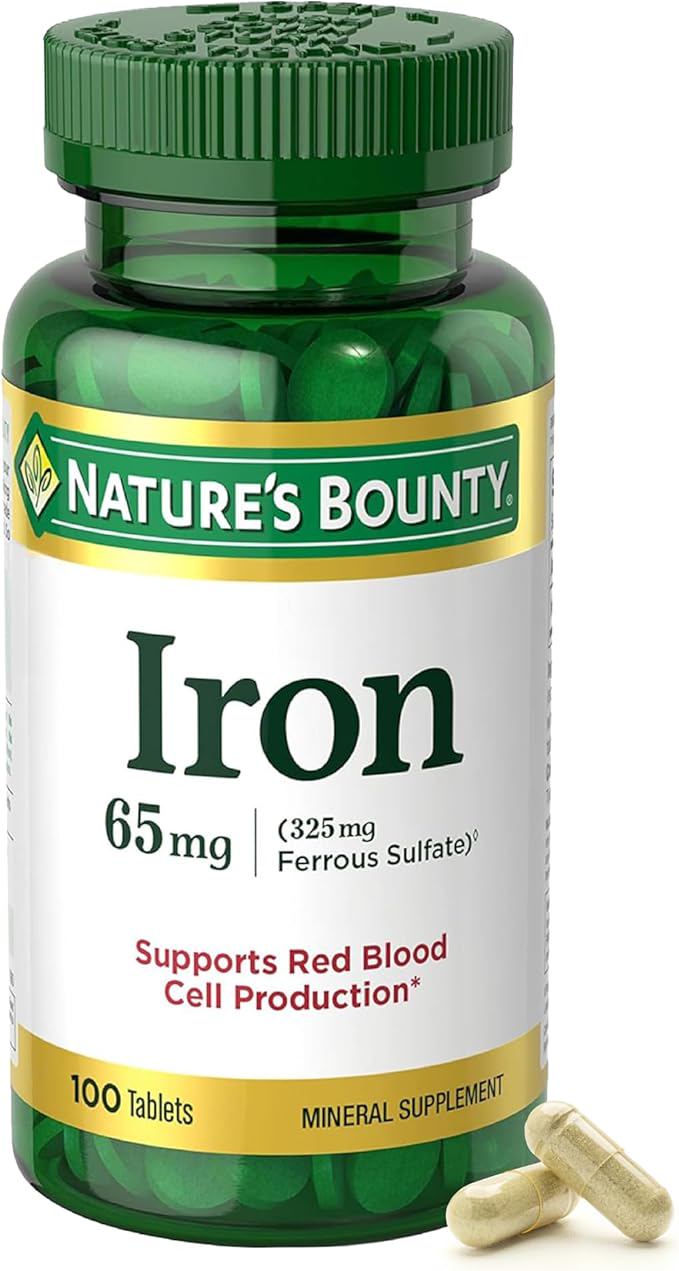
While the exact cause isn’t always clear, pica is frequently linked to a significant nutritional deficiency, most often iron-deficiency anemia. Your body might be desperately seeking minerals it’s lacking. Eating these items is dangerous; they can contain toxins, cause intestinal blockages, damage teeth, and prevent you from absorbing actual nutrients from food.
If you feel a powerful urge to chew or eat something that isn’t food, mention it to your doctor without embarrassment. It’s a vital clue about your body’s needs.
2. Cravings Paired with Unusual Physical or Mental Symptoms
A craving in isolation is one thing. A craving that arrives with other noticeable changes in your health is a stronger signal to seek guidance.
Pay particular attention if your intense food desires are accompanied by:
- Extreme fatigue or weakness: Beyond normal pregnancy tiredness, this can feel like a heavy, unshakable exhaustion.
- Dizziness, lightheadedness, or heart palpitations: These can point to issues with blood sugar or iron levels.
- Swelling in your hands, feet, or face: Especially if it appears suddenly or is severe, as this can be related to blood pressure.
- A rapid change in thirst or urination: An intense, unquenchable thirst coupled with sugary cravings could be a sign of gestational diabetes.
- Significant mood shifts, anxiety, or feeling low: While mood changes are normal, a drastic shift alongside compulsive eating patterns can be related to nutritional imbalances or perinatal mood disorders.
Think of these symptoms as pieces of a puzzle. Your craving might be the most obvious piece, but when combined with others, the overall picture becomes clearer for your healthcare team.
3. Cravings That Completely Displace Normal Eating
It’s one thing to add a bowl of strawberries to your day. It’s another if a single, specific craving begins to replace your balanced meals consistently.
This sign is about nutritional displacement. For example, if you’re skipping lunch because you only want to eat sour candy, or you’re filling up on salty chips to the point you have no appetite for dinner, your overall nutrient intake can suffer. Pregnancy is a time of increased need for protein, healthy fats, vitamins, and minerals. When one narrow category of food crowds out that variety, you and your baby might miss out on essential building blocks.
This can also manifest as a craving so powerful it causes significant distress or disrupts your daily life. The mental energy spent thinking about, obtaining, and consuming a particular food becomes overwhelming.
Having the Conversation with Your Doctor
If you recognize any of these signs in yourself, the next step is simple: bring it up at your next prenatal appointment. You don’t need to wait for an emergency.
Come prepared with notes. It can help to jot down:
- What you’ve been craving (be as specific as possible)
- How often and how intense the urges are
- Any other symptoms you’ve noticed (fatigue, dizziness, etc.)
- How long it’s been going on
Your doctor or midwife will likely ask follow-up questions and may suggest simple tests, like a blood test to check iron or blood sugar levels. These are standard, reassuring steps. Often, addressing an underlying deficiency or imbalance can make the troubling cravings fade away.
Navigating Cravings in a Healthy Way
For the majority of cravings that don’t raise red flags, you can often find a middle path that honors the urge while supporting your nutrition.
If you’re craving something sweet, try pairing a small portion with something nourishing—like a few dark chocolate chips with almonds, or apple slices with peanut butter. For salty cravings, consider roasted chickpeas, a handful of olives, or a broth-based soup. Sometimes, a craving for crunch can be satisfied with cucumber slices or bell peppers, and a creamy desire met with Greek yogurt.
Staying hydrated is also crucial, as thirst can sometimes masquerade as a food craving. Listen to your body, but also gently question the urge. Asking “What could my body really be needing right now?” can lead to insightful and healthier choices.
Pregnancy is a profound dialogue with your body. Cravings are part of that conversation. Most of the time, they’re just a quirky comment. But when they speak in the language of these warning signs, they’re asking for your attentive listening and a trusted professional’s interpretation. Honoring that call is a powerful act of care for you and your growing baby.