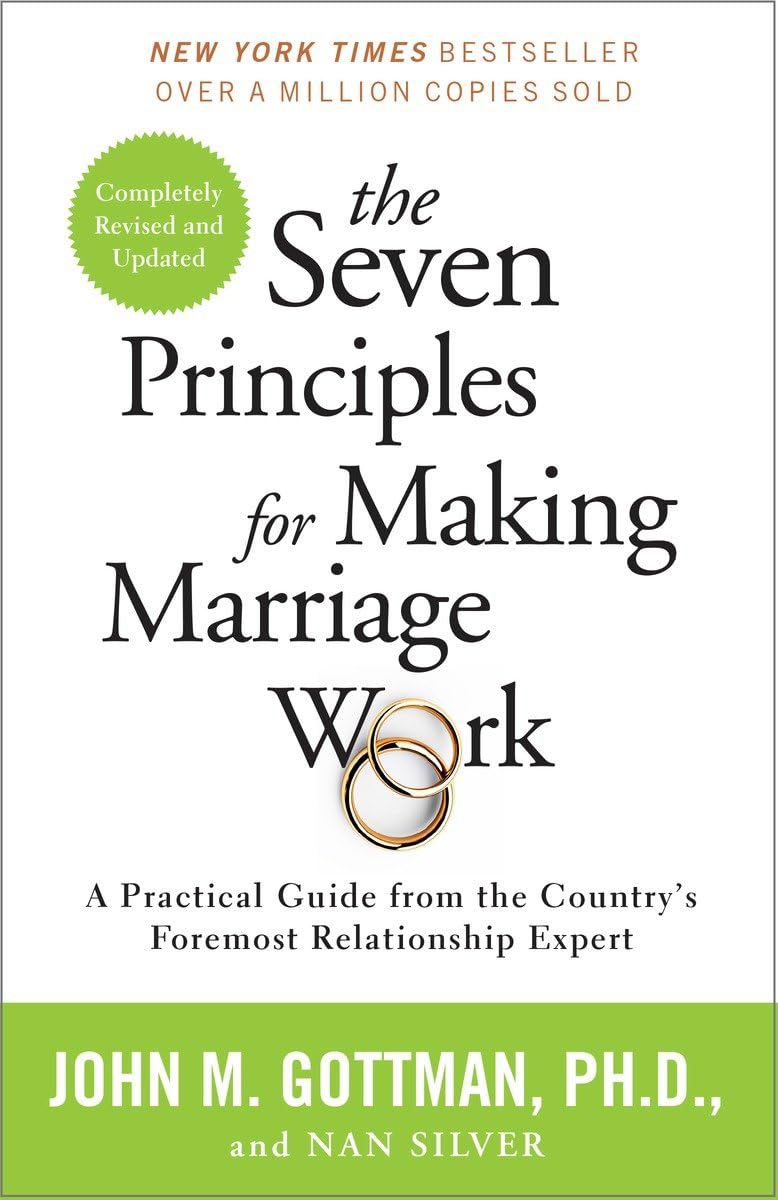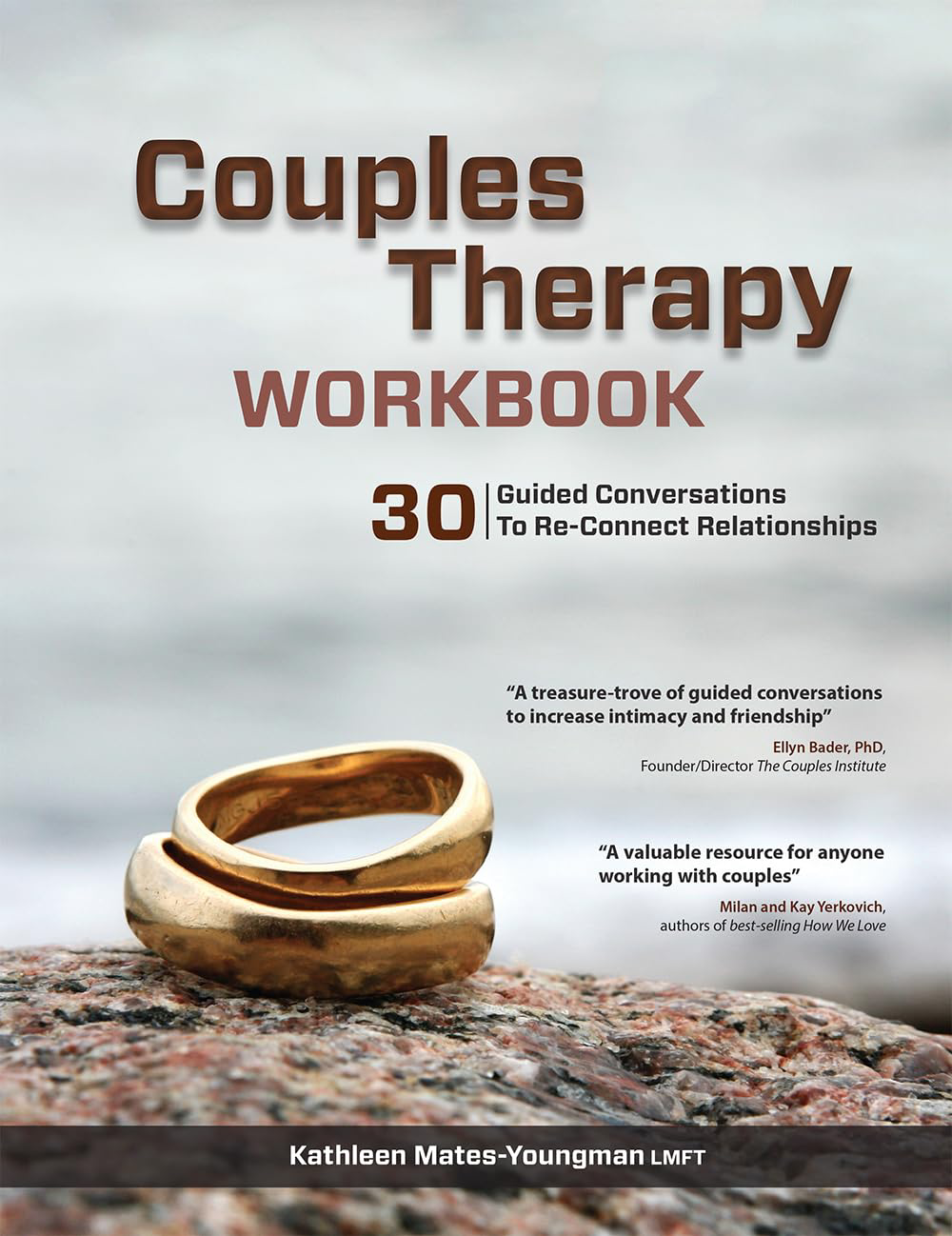

You know that knot in your stomach when you want to talk about sex with your partner, but the words just won't come out? Or worse, you try to bring it up and they shut down, change the subject, or make a joke. That silence can feel heavier than any argument. When one partner consistently avoids talking about intimacy, the relationship often pays a quiet price: unmet needs, growing resentment, and a bedroom that feels more like a roommates' arrangement.
The good news is that this pattern doesn't have to be permanent. Let's look at three clear warning signs that your partner is dodging sexual communication, and—more importantly—what you can actually do about it without starting a fight.
Sign 1: They change the subject or joke when you bring up sex
You finally gather the courage to say, “Hey, can we talk about what we both like in bed?” and suddenly your partner is talking about work, the leaky faucet, or making a sarcastic comment to defuse the tension. This deflection is a classic avoidance tactic. It’s not necessarily malicious—many people feel deeply vulnerable discussing sexual preferences because they fear judgment or inadequacy.
What’s happening: Your partner likely feels anxious or defensive. They may worry that any conversation about sex is a criticism of their performance or a request they can't fulfill. In their mind, changing the topic feels like self-protection. But for you, it feels like hitting a wall.
What you can do about it: Timing is everything. Instead of springing the topic into a quiet moment, try a structured approach. Say something like, “I’d love to set aside 15 minutes this weekend to talk about how we’re connecting physically—no pressure, just checking in.” Naming the time removes the surprise. You can also start with positive reinforcement: “I really loved when we did X last week. It made me feel close to you.” That lowers the threat level and makes them more willing to engage.
Sign 2: They never initiate conversations about intimacy or preferences
If you are the only person ever bringing up what feels good, what doesn't, or what you'd like to try, that's a red flag. Healthy sexual communication is a two-way street. When one partner never initiates these talks, it can signal disinterest, embarrassment, or a belief that talking about sex is unnecessary or “unnatural.”
What’s happening: Some people were raised in environments where sex was never discussed openly. They may genuinely not have the vocabulary or emotional tools to initiate this kind of dialogue. Others might simply assume that if things are not broken, there's nothing to talk about—a common but risky assumption in long-term relationships.
What you can do about it: Make it a low-stakes, regular habit. Think of it as a “sexual temperature check” rather than a formal meeting. You could ask a simple question like, “Is there anything you’ve been curious about lately?” during a relaxed moment—cuddled on the couch or on a walk, not in the bedroom. You can also model the behavior by sharing your own desires openly first. Use “I” statements: “I’ve been thinking about trying X, and I’d love to hear if that sounds good to you or if you have other ideas.”
A simple, recurring check-in can normalize the conversation: “How are we doing on the intimacy front? Anything you want more or less of?”
Sign 3: They get defensive, angry, or withdraw when you try to talk
This is the most painful sign. You bring up a gentle, specific topic—perhaps that you'd like more foreplay or that something is uncomfortable—and your partner reacts with visible irritation, a cold shoulder, or outright anger. This response is often a protective shield for deep-seated shame or insecurity. They hear your words as an attack on their worth, even if you meant them as a collaborative suggestion.
What’s happening: The amygdala—the brain's fear center—can hijack the conversation. When sex is tied to a partner's sense of manhood or womanhood, any feedback can feel like a threat to their identity. The anger or withdrawal is a defense mechanism, not true rejection of you.
What you can do about it: First, stop the conversation the moment it turns defensive. Say, “I can see this is hitting a nerve. Let’s take a break and come back to this later.” This prevents escalation. Later, approach the topic from a place of shared partnership: “I want us both to feel great in bed. Can we figure this out together?” If defensiveness is a recurring pattern, consider suggesting a neutral third party. A couples counselor or a certified sex therapist can create a safe space where neither of you feels blamed. This is not a failing—it's a sign of commitment to the relationship.
When silence becomes a pattern: the bigger picture
Avoiding sexual communication rarely stays contained. It often seeps into other areas of the relationship: emotional distance grows, physical affection wanes, and small resentments build. It's important to remember that your partner's avoidance is likely not about you. It's about their own discomfort, history, or anxiety. But you are not required to carry the entire weight of the conversation forever.
If you've tried multiple approaches—gentle timing, positive framing, regular check-ins—and nothing changes, it's okay to name the pattern directly: “I feel lonely when we can't talk about our sex life. I want to close that distance.” That is not an accusation; it's a vulnerable statement of need.
What to do if nothing seems to work
Sometimes, despite your best efforts, your partner remains stuck. In that case, your options shift from “fixing the conversation” to “preserving the relationship or yourself.” Individual therapy can help you clarify your own boundaries. Couples therapy can offer structured exercises to rebuild trust and communication. The goal is not to force your partner to talk, but to create conditions where talking feels safe for both of you.
Remember: the willingness to communicate about sex is a skill, not an inborn trait. It can be learned, but only if both partners are willing to practice. If you are the only one practicing, that alone is valuable information—not about your worth, but about the relationship's capacity to grow.