
If you’re battling breakouts and oily skin, you’ve likely built a routine designed to strip away shine and stop pimples in their tracks. But here’s the counterintuitive truth: the very products and habits you’re using to fight oil and acne could be making both problems worse. When your skin feels tight, looks red, or breaks out in new places, your oily-skin routine may need a reset — not more aggressive products.
Below are three clear warning signs that your current approach is backfiring, plus what to do instead to break the cycle.
Sign #1: Your skin feels tight, dry, or stings after cleansing
That squeaky-clean feeling after washing your face is often mistaken for “deep clean” success. In reality, it is a sign that your skin barrier has been stripped of its natural lipids. When you damage the barrier, your oil glands can go into overdrive to compensate, producing even more sebum — which then feeds acne-causing bacteria.
Why it happens with oily skin routines: Harsh foaming cleansers, clay masks used too often, and alcohol-based toners are common culprits. They remove surface oil but also disrupt the skin’s protective layer.
The fix: Switch to a gentle, non-foaming cleanser with ingredients like glycerin or ceramides. Wash twice a day max, and if your skin feels tight, you’ve used the wrong product.
Sign #2: You’re seeing more breakouts around your mouth, chin, and jawline
Acne that clusters along the lower face — especially after you’ve started a new product — often points to irritation or a compromised barrier, not just hormone-related breakouts. This is called acne mechanica or irritant contact dermatitis mistaken for acne. If you’ve added a strong active (like benzoyl peroxide, salicylic acid, or retinol) and the pimples keep coming, your skin may be reacting to the formula, not the oil.
Why it happens: Over-exfoliating or layering too many actives at once inflames the follicles, causing small red bumps and pustules that look like acne but are actually a sign of chemical irritation.
Common over-exfoliation signs:
- Small red bumps that don’t come to a head
- Breakouts that sting or itch
- Texture that feels rough or “bumpy” all over, not just in oily spots
The fix: Pause all actives for at least 3–4 days. Use only a gentle cleanser, a fragrance-free moisturizer, and sunscreen in the morning. Let your barrier recover before reintroducing actives — one at a time, every other night.
Sign #3: Your skin looks greasy again within an hour of washing
If your complexion feels slick and shiny by the time you get to work or school — despite using mattifying products — your skin may be overcompensating for dryness. This “rebound oiliness” is a classic sign that your routine is too harsh. When the barrier is compromised, the skin cannot hold onto water, so it loses moisture (transepidermal water loss), and the oil glands pump out more sebum to try to protect itself.
Why it happens: Overuse of clay masks, astringents, or oil-absorbing powders tells the skin it’s in a dry environment. The glands respond by producing more oil to correct the perceived imbalance.
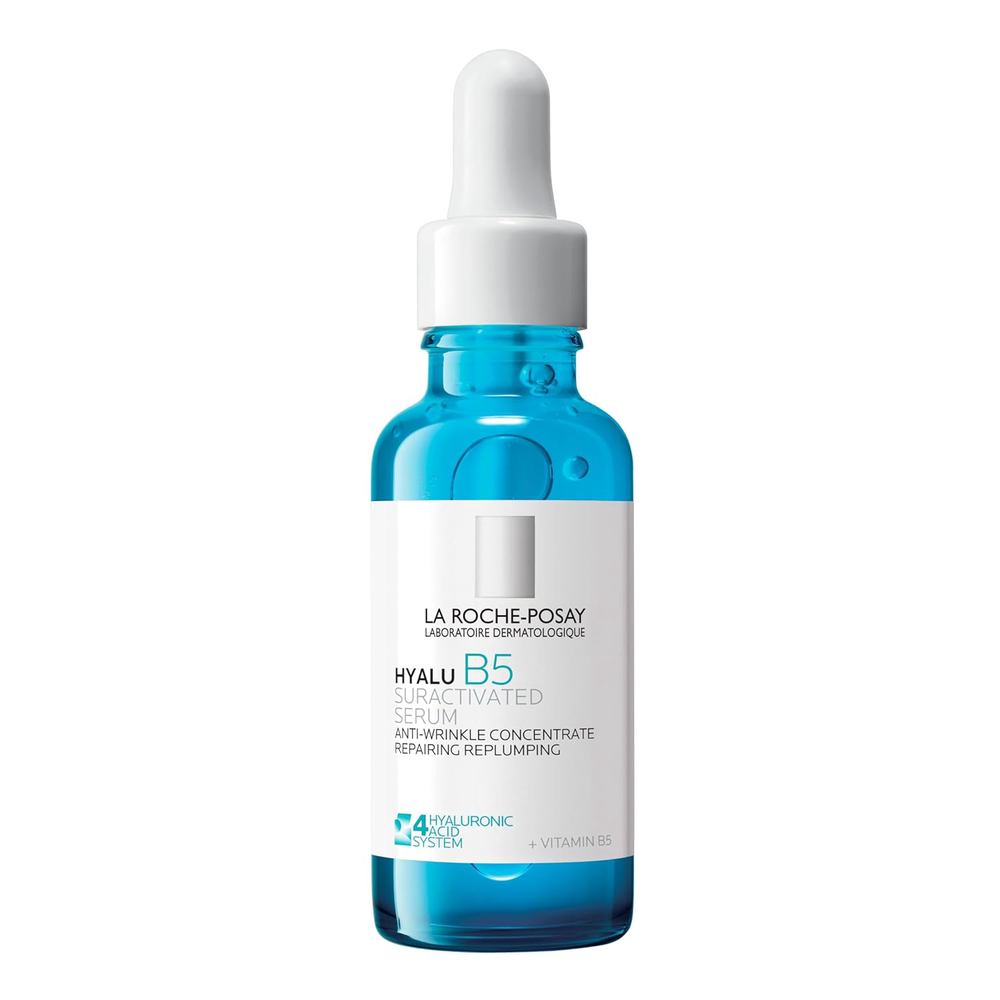
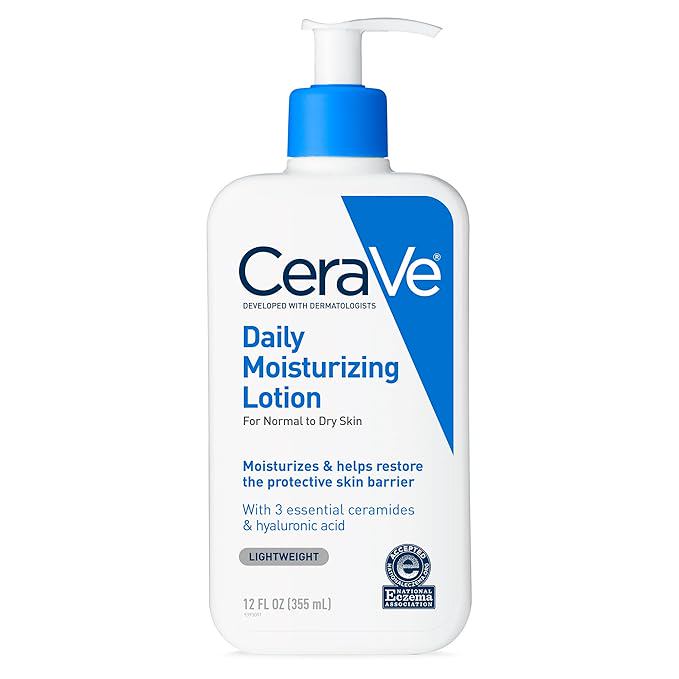
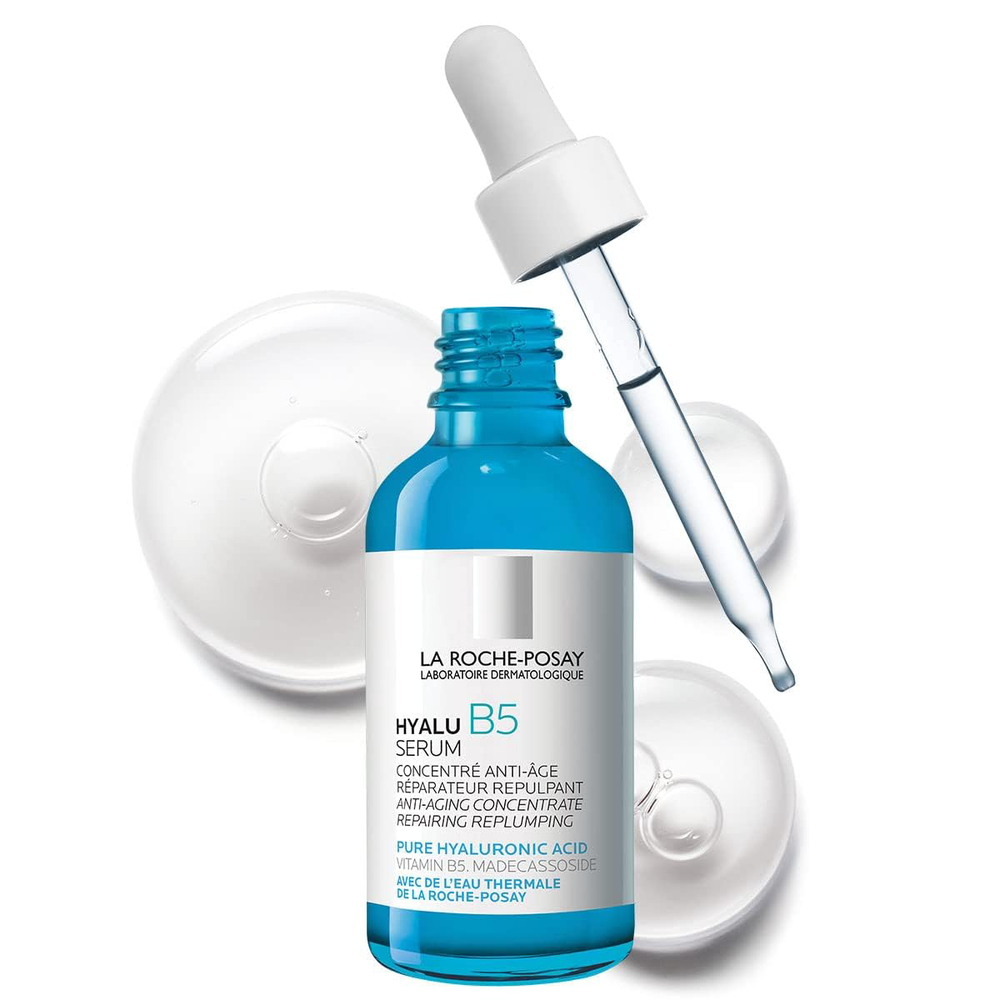
The fix: Hydrate your skin. Use a lightweight, oil-free moisturizer with ingredients like hyaluronic acid or niacinamide. Hydration helps regulate oil production, so you’ll see less shine over the course of the day.
An oily-skin routine should leave your skin feeling comfortable, not tight, irritated, or shinier than before. If you notice any of these warning signs, pull back on harsh products and focus on barrier repair. Once your skin is calm, you can reintroduce targeted acne treatments more gently.
Editor’s note: Everyone’s skin is different. If your breakouts persist or are severe, consult a board-certified dermatologist for a personalized plan.