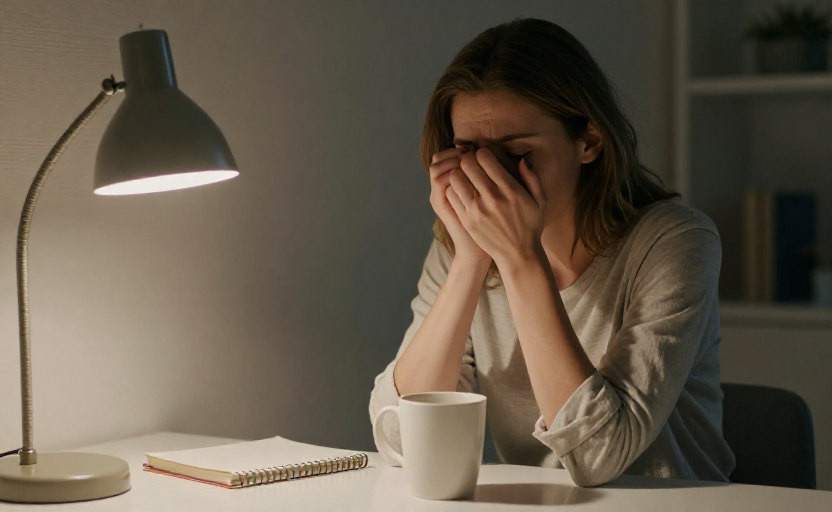
Low self-esteem often gets dismissed as a purely emotional issue—something that lives in your head, not your body. But the truth is more complex. When you consistently see yourself through a harsh, critical lens, that inner voice doesn't stay in your thoughts. Over time, it can start to shape your physical health in ways you might not connect to how you feel about yourself.
Here are three warning signs that low self-esteem may be quietly affecting your health, along with practical ways to recognize them and start shifting the pattern.
You carry chronic tension or unexplained fatigue
When you doubt yourself, your nervous system can stay in a low-grade state of alert. You might be bracing for criticism—even when no one is criticizing you. This constant vigilance shows up as tight shoulders, a clenched jaw, headaches, or feeling drained no matter how much sleep you get.
Over weeks and months, that background tension wears on your body. Cortisol, the primary stress hormone, stays elevated longer than it should. Elevated cortisol is linked to disrupted sleep, higher inflammation, and even changes in appetite. If you often feel tired but wired, low self-worth could be a hidden driver. The fix isn't another nap—it's learning to let your guard down, starting with kinder self-talk.
You avoid health care or dismiss your own symptoms
People with low self-esteem sometimes feel they don't deserve care, or they minimize their own discomfort. You might skip annual checkups, put off seeing a doctor about a persistent pain, or tell yourself, "It's probably nothing—I don't want to bother anyone."
This avoidance can delay diagnosis and treatment for conditions that are very treatable when caught early. Ignoring symptoms doesn't make them go away; it often lets them get worse. If you find yourself downplaying physical aches or postponing appointments because you feel like your concerns aren't valid, that's a sign low self-esteem may be steering your decisions about your health.
You use food, alcohol, or screens to numb a harsh inner critic
When your internal dialogue is critical, it hurts—and it's natural to look for relief. Many people turn to comfort foods, alcohol, binge-watching, or doom-scrolling to quiet that voice, even for a few minutes. The problem is that these coping strategies can create a cycle: you feel bad about yourself, you reach for a quick comfort, and then you feel worse—both physically and mentally.
This pattern can lead to poor nutrition, disrupted sleep from late-night screen use, or relying on alcohol to unwind, which affects sleep quality, mood, and even heart health over time. If you notice you're regularly reaching for these buffers when your self-criticism gets loud, it's worth looking at the root—not the escape.
These signs can build up slowly, making them easy to miss. But once you see the pattern, you have a chance to interrupt it. Speaking to a therapist can help you rebuild your self-view from the ground up. Small habits—like writing down one kind thing about yourself each day or setting a reminder to stretch your shoulders—start to send your body the message that it's safe to relax.
Your health and your sense of self-worth are deeply connected. When you begin to treat yourself with more respect, your body often follows.