
We often think of heart health in terms of diet, exercise, and cholesterol numbers. But there is a quieter, deeply human factor that researchers are now placing on par with smoking and obesity: the quality of your social connections. When your calendar is empty and your closest interactions are with a screen, your body listens. The science is clear—chronic loneliness isn't just an emotional ache; it triggers a cascade of physiological stress that directly impacts your cardiovascular system.
The tricky part is that the warning signs can seem normal. You might blame fatigue on a busy week, or attribute a tight chest to too much coffee. But if you notice these three specific patterns emerging, it may be time to take your social health as seriously as you take your blood pressure.
1. You Feel Tired Even After a Full Night's Sleep
If you are waking up exhausted despite logging seven or eight hours in bed, your nervous system may be stuck in a low-grade threat response. Social isolation can keep your cortisol levels elevated around the clock. This persistent stress hormone disrupts sleep architecture—meaning you might get enough hours, but very little restorative deep sleep. Over time, that hormonal imbalance strains your blood vessels and raises your resting heart rate. If your fatigue is paired with a vague sense of being "on edge" and you can't pinpoint a physical cause, consider whether your social world has shrunk recently. The remedy isn't always more sleep; it is sometimes more safe, affirming contact with other people.
2. You Have Unexplained Chest Tightness or Heart Palpitations
Not every flutter or squeeze is a heart attack. But when you experience a sensation of pressure, skipping beats, or a racing heart that medical tests can't explain, the culprit may be your social environment. Chronic loneliness activates the sympathetic nervous system—your fight-or-flight response—and keeps it running in the background. This can lead to inflammation in the arterial walls and higher resting blood pressure. If your chest feels heavy on days when you haven't spoken to a friend, or your heart pounds during quiet evenings alone, it's worth asking: is this a heart problem, or a connection problem? Studies have found that people with strong social ties have lower levels of inflammatory markers like C-reactive protein, even when controlling for other risk factors.
A note of caution: Always rule out cardiac causes first. If you have new or worsening chest pain, shortness of breath, or palpitations, see a doctor. This article is about recognizing patterns, not diagnosing symptoms.
3. Your Blood Pressure Creeps Up Without a Clear Cause
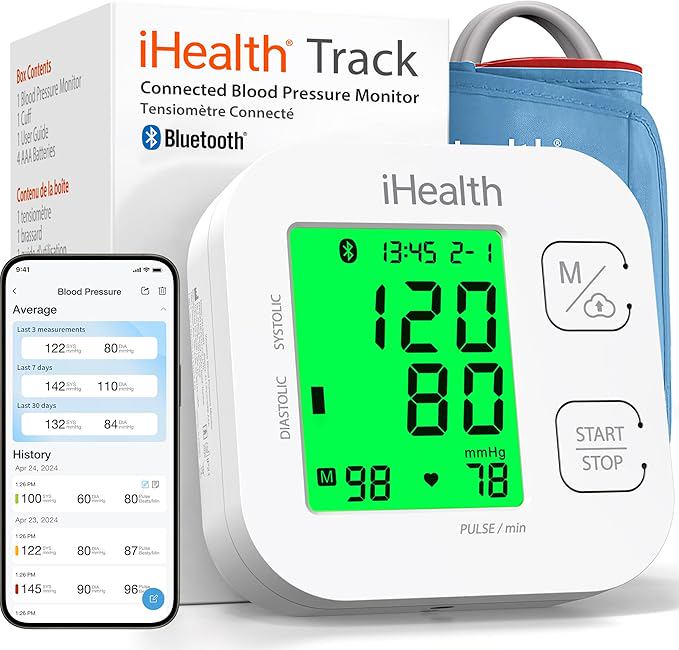
You eat well, you exercise, you limit salt—yet your systolic number keeps inching upward. This is one of the most well-documented physiological consequences of social isolation. Research tracking adults over several years shows that loneliness is a significant predictor of hypertension, independent of age, body mass index, smoking, and physical activity. The mechanism is likely a combination of chronic stress hormones, reduced parasympathetic ("rest and digest") activity, and poorer health behaviors that often accompany isolation—like skipping meals or drinking alcohol alone. If your blood pressure readings are climbing and your lifestyle seems solid, take a hard look at your social engagement. A brisk walk with a friend may lower your numbers more than another medication adjustment.
What You Can Do About It
The good news is that your heart is remarkably responsive to connection. You don't need a packed social calendar or a dozen close friends to see benefits. What matters is the quality and regularity of meaningful contact. Prioritize one or two relationships where you feel safe to be yourself. Schedule a weekly phone call that has no agenda. Join a low-pressure group—a walking club, a book discussion, a volunteer shift—where showing up is the only requirement. Even brief, positive interactions with a cashier or a neighbor can buffer your stress response over time.
If you find yourself avoiding people because you feel awkward or drained, start small. Send a text. Sit in a café for ten minutes. The goal is not to cure loneliness overnight but to interrupt the physiological cascade that is wearing on your heart. Your cardiovascular system evolved to thrive in community. When you reach out, even hesitantly, you are not just being social—you are practicing a form of preventive medicine.