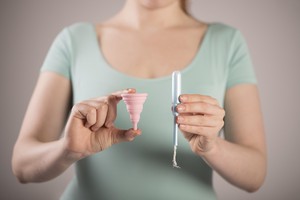

Many people assume that hormonal birth control always makes periods lighter and less painful. For a great number of users, that is true. But for some, the opposite happens: cramps become worse, more intense, or linger longer than they did before starting the pill, patch, ring, or hormonal IUD. If that sounds familiar, your body may be telling you something about how it responds to synthetic hormones.
Below are three distinct warning signs that your contraceptive method could be aggravating your menstrual pain—not soothing it.
1. Your cramps started after you began a new birth control method
Timing matters. If you never had significant period pain before starting hormonal contraception, and within the first few cycles you notice moderate to severe cramping, the hormones are a likely culprit. Progestin—the synthetic progesterone found in most hormonal birth control—can alter uterine muscle contractions and the way your body processes inflammation. Some progestins (such as levonorgestrel) are more androgenic and may increase prostaglandin-like activity in some individuals, leading to sharper cramps.
This is not a universal reaction, but it is common enough that clinicians consider it a red flag. Keep a log: if pain appeared within three cycles of starting a new method and coincides with your placebo week or hormone-free interval, bring that pattern to your prescriber.
2. The pain is one-sided or radiates differently than before
Typical menstrual cramps are a dull, squeezing sensation in the lower belly that can spread to the lower back and thighs. When birth control alters hormone levels, cramp location can shift. You might feel sharp, stabbing pain on just one side. That could indicate ovarian cyst formation, which hormonal contraceptives can sometimes trigger or exacerbate—especially in the first few months of use. Cysts themselves are usually harmless, but they can cause substantial pain that mimics or intensifies period cramps.
If your usual bilateral ache has changed to a one-sided stab or a deeper pelvic pressure, mention it to your healthcare provider. An ultrasound may be warranted to rule out cysts or other structural causes.
3. Your cramps persist through the entire hormone-free interval and beyond
Standard combination pills, the patch, and the ring typically schedule a withdrawal bleed (the “period”) during the placebo week. Many users expect cramps to stop once bleeding ends. Warning sign: cramping that continues for days after your period has finished, or that starts well before the next active pill cycle. This can suggest that the progestin dose or type is not right for your uterine lining and inflammatory response.
In some cases, continuous or extended-cycle regimens (skipping placebos) can reduce pain. But if you are on a cyclic method and the cramping timeline has stretched, it is worth exploring a lower-dose or different-progestin option. A progestin-only pill (minipill) or a different combination formula might produce entirely different results.
What you can do next
If one or more of these warning signs apply to you, do not assume you must simply tolerate the pain. Hormonal birth control is not one-size-fits-all. Discuss with a gynecologist or advanced practice clinician:
- Switching to a pill with a different progestin (e.g., drospirenone instead of levonorgestrel)
- Changing the route of administration (from oral to a non-oral method like the vaginal ring)
- Considering a copper IUD, which is non-hormonal and does not contain progestin
Track your symptoms for at least two to three cycles before and after any change. A period diary that includes pain intensity (on a 0–10 scale), location, and duration gives your provider concrete data to fine-tune your contraception.
A calm note: Increased cramping alone is rarely an emergency, but it is a valid signal that your current method may not be ideal. Never stop hormonal birth control abruptly without a backup plan—talk to your clinician about a transition strategy.
Your reproductive health is personal. Trust your body when it speaks, and know that there are many options to manage both contraception and pain without sacrificing one for the other.