You’ve been feeling a little off lately. Not sick, exactly, but the spark that usually fuels your intimate life seems to have dimmed. You might be quick to blame stress, a busy schedule, or even relationship dynamics. But have you considered what’s on your plate? The connection between nutrition and libido is profound, yet often overlooked. Your body requires specific nutrients to produce hormones, maintain energy, and support circulation—all essential components of a healthy sex drive. When your diet falls short, your desire can be one of the first things to suffer.
The signs aren’t always dramatic. They creep in subtly, masquerading as general fatigue or low mood. Learning to recognize these dietary red flags can be the first step toward rekindling your natural vitality and restoring balance from the inside out.
1. You’re Constantly Drained and Fatigued
If you find yourself reaching for another cup of coffee by mid-afternoon, or the idea of intimacy feels like just another item on a exhausting to-do list, your energy levels are trying to tell you something. Libido requires fuel. When your diet lacks sustained energy sources, your body prioritizes basic functions over reproductive ones.
This often happens with diets that are too restrictive in calories or carbohydrates. While carbs have been unfairly demonized, they are your body’s preferred source of quick energy. Severely limiting them can leave you feeling lethargic. Similarly, diets deficient in iron or B vitamins—crucial for converting food into energy—can lead to anemia and profound tiredness.
Chronic fatigue is your body’s signal that its fundamental energy systems are under-resourced, leaving little in reserve for desire.
Pay attention to what kind of tired you feel. Is it a general lack of pep, or a heavy, can’t-get-off-the-couch exhaustion? The latter, especially if accompanied by pale skin or shortness of breath, strongly suggests a nutritional gap that’s impacting far more than your mood.
2. Your Mood Is Consistently Low or Anxious
Your brain chemistry and your sex drive are intimately linked. Feel-good neurotransmitters like serotonin and dopamine play a significant role in mood regulation and sexual arousal. The building blocks for these chemicals come directly from the food you eat.
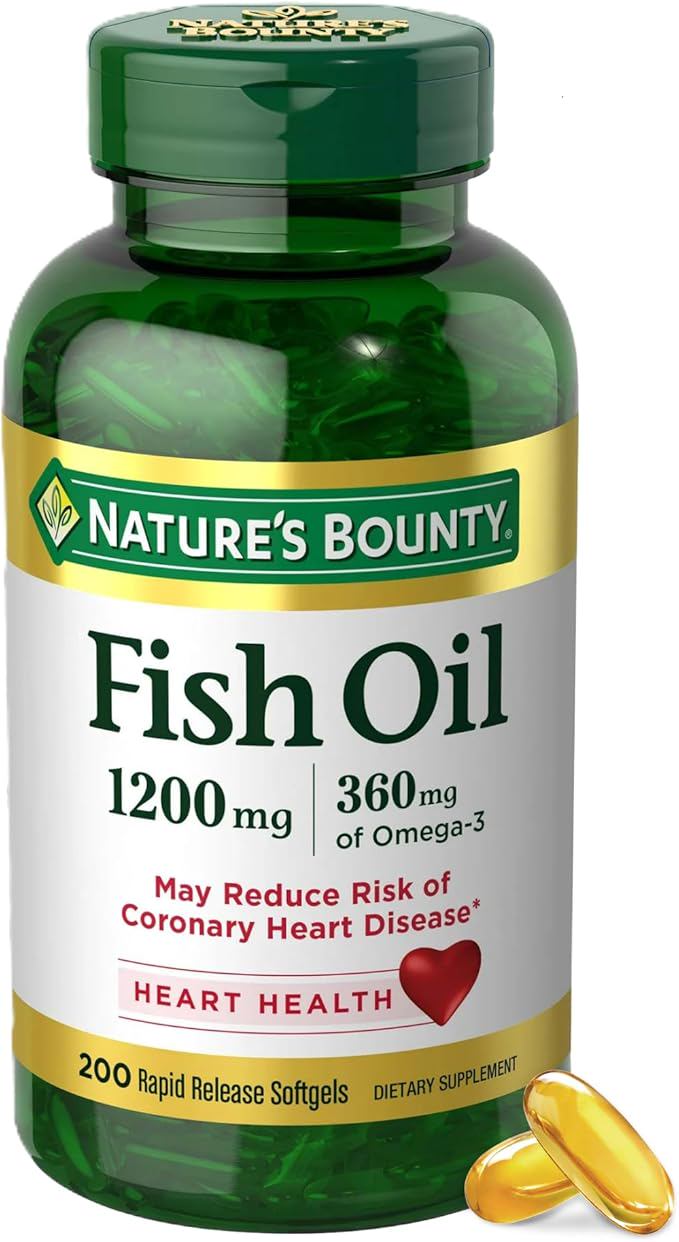
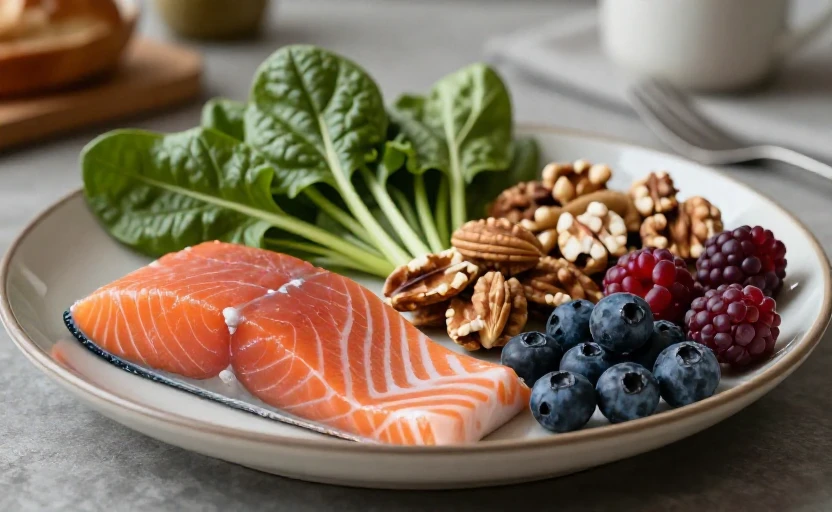
A diet high in ultra-processed foods, sugars, and unhealthy fats can create inflammation and disrupt the delicate balance of gut bacteria. Since a significant portion of serotonin is produced in the gut, this disruption can directly dampen your mood. Conversely, diets lacking in key nutrients like omega-3 fatty acids (found in fatty fish, walnuts), magnesium (in leafy greens, nuts), and zinc (in seeds, legumes) are associated with higher rates of low mood and anxiety.
When you’re feeling down, irritable, or overwhelmed, sexual desire naturally takes a back seat. It’s not just “in your head”—it’s in your biochemistry, which is directly influenced by your nutritional intake. Nourishing your mind is a prerequisite for awakening your body.
What to look for on your plate:
- Missing Omega-3s: These fats are critical for brain cell membrane health and reducing inflammation.
- Low Complex Carbs: They aid in the transport of tryptophan, a precursor to serotonin, into the brain.
- Inadequate Protein: Provides amino acids like tyrosine, which is needed to produce dopamine.
3. You’re Experiencing Hormonal Fluctuations
Sex hormones like testosterone (important in all bodies) and estrogen don’t operate in a vacuum. They require specific dietary components for synthesis and balance. When your diet disrupts this balance, it can manifest in ways that directly affect your libido.
One major culprit is excessive sugar and refined carbohydrate intake. This can lead to insulin resistance, which is closely tied to hormonal imbalances like Polycystic Ovary Syndrome (PCOS), a condition often marked by low libido. Furthermore, healthy fats are the literal building blocks of steroid hormones, including sex hormones. A chronically low-fat diet can leave your body without the raw materials it needs to produce them adequately.
Another key player is fiber. A diet low in fiber can impair the body’s ability to eliminate excess hormones, leading to a state of hormonal imbalance. Signs can be subtle but telling: irregular menstrual cycles, unexplained weight gain (particularly around the midsection), changes in skin health, or a persistent loss of sexual interest.
Your hormones are messengers. When your diet sends them confusing signals, your libido often gets the wrong message.
Recognizing these signs is not about inducing guilt over food choices, but about empowering yourself with knowledge. The body is an integrated system; what you feed it affects every part of your life, including your sexual well-being. The good news is that dietary influences are often modifiable. By shifting your focus to whole, nutrient-dense foods—prioritizing healthy fats, lean proteins, complex carbohydrates, and a rainbow of fruits and vegetables—you support the very systems that govern energy, mood, and hormonal health. It’s a holistic approach to wellness that honors the deep connection between nourishment and desire.