You are doing everything right. You cleanse, you exfoliate, you apply the treatments. Yet your skin looks angrier, not clearer. It feels tight, looks red, and has developed a crop of small, bumpy spots that weren’t there before. You are almost certainly dealing with irritation, not a breakout breakthrough.
Acne-prone skin is already in a state of inflammation. Pushing it too hard with harsh active ingredients or aggressive physical scrubbing can strip the barrier, leading to a condition often called “maskne” or “perioral dermatitis,” but more accurately described as compromised barrier irritation that mimics acne. Here are three unmistakable warning signs that your routine is doing more harm than good.
1. Heat, stinging, and tightness that lasts
A slight tingling from a leave-on salicylic acid or benzoyl peroxide treatment is one thing. A burning, hot sensation that lingers long after you have rinsed is a red flag. If your moisturizer stings on application, or if your face feels taut and waxy to the touch for half the day, you have likely over-stripped your natural moisture barrier.
This tightness is not a sign of “deep cleaning.” It is a sign that the lipids and natural moisturizing factors that hold water in your skin have been dissolved. When the barrier is compromised, it cannot retain hydration. This triggers a chain reaction: the skin becomes reactive, producing more oil in a desperate attempt to self-protect, which then clogs pores. It is a vicious cycle driven by irritation, not bacteria.
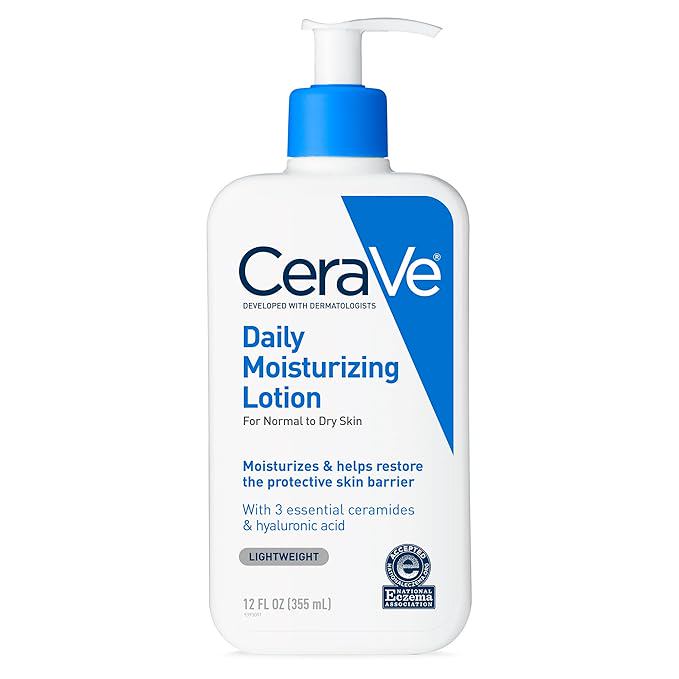
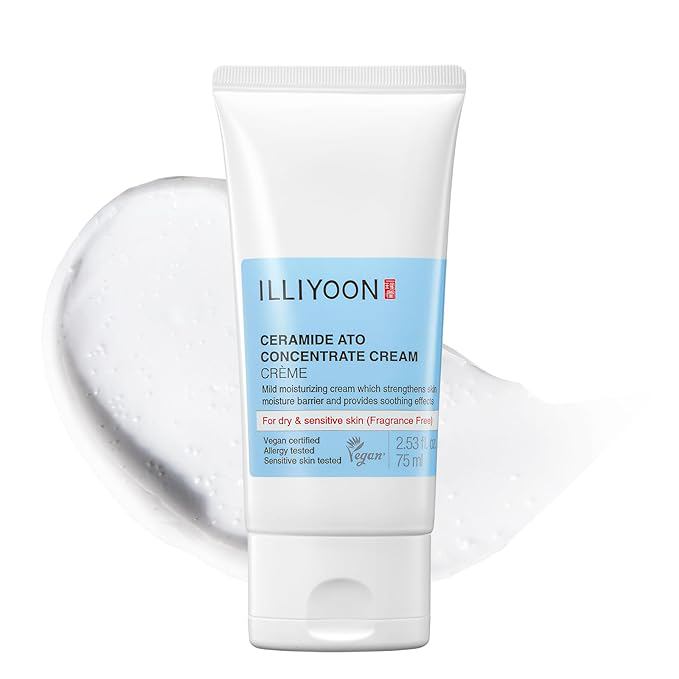
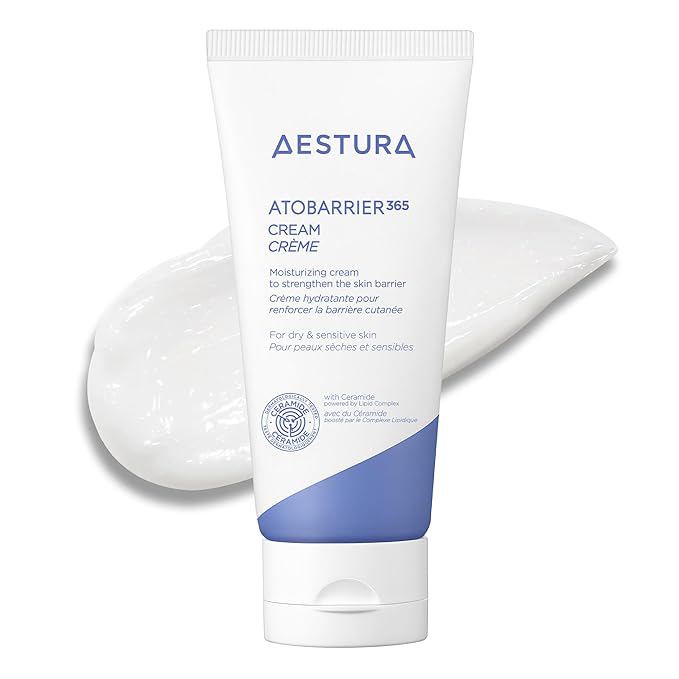
The fix: Drop all active ingredients for 3–5 days. Use only a cream cleanser (no foaming sulfates) and a thick, simple moisturizer containing ceramides or colloidal oatmeal. Do not add anything else until the stinging stops.
2. Itchy, red, and very small bumps (not whiteheads)
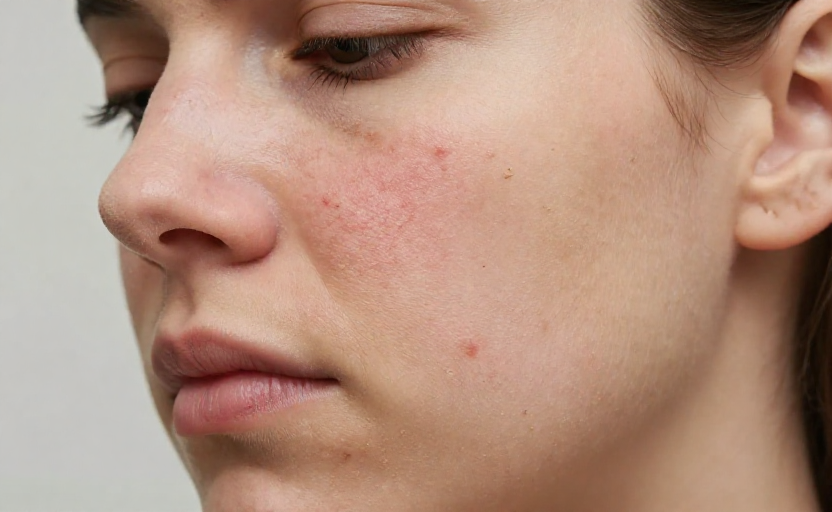
True acne vulgaris produces comedones — whiteheads that are firm, closed, and sit under the skin for a while, or blackheads that are open and oxidized. Irritation bumps look different. They are often tiny, flesh-colored to slightly red, and can appear in clusters on the cheeks, chin, and around the nostrils. They are not filled with pus yet, and they can itch.
These are often papules caused by inflammation of the hair follicle from an external irritant — not clogged pores. Over-exfoliation with acids or retinoids, using a scrub with rough particles like walnut shells, or even a sensitivity to a fragrance or essential oil in a product can produce this reaction. Dermatologists often call this “acneiform dermatitis.” It looks like acne but it is really an allergic or irritant contact reaction.
If you see these tiny, itchy bumps in areas where you don’t normally break out, especially around the mouth and eyes, stop using your active products and switch to a barrier repair routine. A corticosteroid cream might be needed for a short period, but this requires a doctor.
3. Oily yet flaky, peely skin
If your skin feels greasy by midday yet looks flaky and peels in small, dry patches, you have a classic case of a damaged moisture barrier. This paradoxical mix — oily on top, dry and peeling underneath — is a hallmark of over-treatment.
Many people with acne-prone skin think that if they are oily, they cannot be dehydrated. This is not true. Oil production and hydration are two different functions. You can have a sebaceous gland working overtime while the outer layer of skin is cracked and dehydrated from too much benzoyl peroxide, too high a retinoid concentration, or too frequent use of clay masks.
The flakes are visible, dead skin cells that have sloughed off too quickly because the acid mantle was disrupted. Underneath, the skin is trying to compensate by pumping out excess oil. This combination is a perfect setup for new breakouts because the flakes trap oil and bacteria.
The solution here is counterintuitive: add a hydrating toner or serum with hyaluronic acid or glycerin, and lock it in with an oil-free but occlusive moisturizer. Your skin needs water and barrier lipids, not more exfoliation.
What you can do now: reset your routine
If you recognize any of these signs, do not add a new product. Do not buy a stronger cleanser or a “repair” mask with active ingredients. That just adds fuel to the fire. Instead, follow a short, gentle reset protocol for two weeks:
- Cleanse only with a non-foaming, cream or milk cleanser. Water alone is fine in the morning.
- Moisturize with a fragrance-free, ceramide-rich product twice a day.
- Protect with a mineral sunscreen (zinc oxide only) during the day. Avoid chemical sunscreens that can sting irritated skin.
- Stop all exfoliating acids, retinoids, benzoyl peroxide, and clay masks for at least 10 days.
When the stinging, itching, and flaking stop, you can slowly reintroduce one active at a time, starting with the lowest frequency and lowest concentration. Your skin will tell you if it is ready. Listen to it.