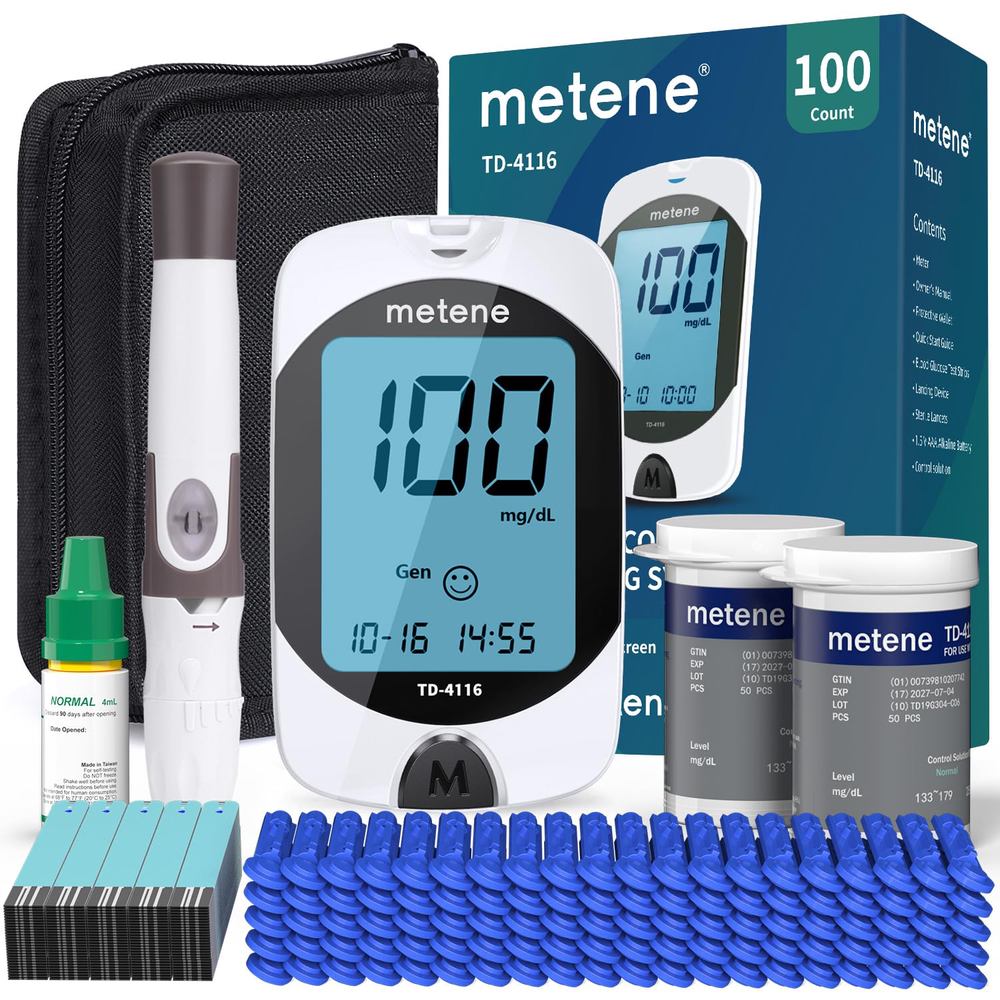

If you are keeping a close eye on your blood sugar levels, you are already doing one of the most important things for your long-term health. Consistent management of glucose is a powerful way to protect your entire system. Yet, there are specific complications that can develop quietly, even when you feel fine. One of the most significant concerns for anyone with consistently elevated blood sugar is the health of the kidneys.
Kidneys are remarkably resilient organs, filtering waste and balancing fluids day in and day out. But years of high blood sugar can strain these delicate filters, leading to a condition known as diabetic nephropathy. The challenging part? It often develops without obvious symptoms in its early stages. By the time discomfort appears, damage may already be significant. That’s why knowing the subtle, early warning signs is not just useful—it is essential for staying ahead of trouble.
Below are three concrete warning signs that warrant a conversation with your healthcare provider. These are not meant to replace lab work, but they are your body's way of signaling that something may need attention.
1. Persistent Swelling in the Feet, Ankles, or Hands
One of the earliest physical clues that the kidneys are struggling is fluid retention. When kidneys begin to filter less efficiently, sodium and fluid can build up in the tissues. You might notice that your shoes feel tighter by the end of the day, that your rings are harder to remove, or that pressing a finger into your lower leg leaves a slight indentation.
This swelling, medically called edema, is not the same as the puffiness you might get from a salty meal or a long flight. With kidney-related edema, the swelling tends to be persistent, often noticeable in the morning and worsening as the day goes on. It is a sign that the kidneys are having trouble excreting enough water and sodium, which is a direct consequence of damaged filtering units called nephrons.
Tip for tracking: Note any consistent or worsening swelling, especially if it appears alongside a slight increase in weight that isn't explained by diet.
2. Foamy or Dark-Colored Urine
Your urine can tell you a lot about your kidneys. A healthy kidney prevents large proteins, like albumin, from leaking into the urine. When the filters are stressed by high blood sugar, tiny amounts of protein start to escape. This condition is called microalbuminuria, and it is often the first detectable change in a kidney that is under stress.
At home, you might notice that your urine appears unusually foamy. It isn't just a few bubbles that disappear quickly—this is a persistent froth that looks more like the head on a beer. Another visual change can be a darker, tea-colored or cola-colored appearance, which may indicate blood or waste products in the urine that the kidneys are failing to remove. While dehydration can also darken urine, foamy urine is a more specific clue related to protein loss.
What to do: A simple urine test called a urinalysis or a microalbumin test can detect these small protein leaks long before you feel any symptoms. If you see persistent foam, mention it to your doctor at your next visit.
3. Unexplained Fatigue and Metallic Taste
Fatigue is common when managing blood sugar, but kidney trouble brings a specific kind of exhaustion. As kidney function declines, waste products like urea and creatinine build up in the bloodstream. This buildup can cause a toxic environment that affects your entire body, leading to a feeling of heaviness, mental fog, and a lack of energy that doesn't improve with rest.
A related clue is a change in taste. A buildup of urea in the blood can produce a persistent metallic or ammonia-like taste in the mouth. This can also make food taste different or bland, which may cause unintentional weight loss or a reduced appetite. You might also notice that your breath has a faint odor similar to ammonia or urine—a sign that the kidneys are not filtering properly.
Key distinction: While high or low blood sugar can cause fatigue, kidney-related fatigue is usually accompanied by other signs like puffiness or changes in urination. It tends to be persistent rather than coming and going with your glucose levels.
Why Regular Screening Is Non-Negotiable
These three warning signs are physical clues, but the most reliable way to catch kidney trouble early is through regular lab work. The American Diabetes Association recommends that people with type 2 diabetes have an annual urine albumin-to-creatinine ratio (UACR) test and a blood test for estimated glomerular filtration rate (eGFR). These two numbers give a clear picture of how well your kidneys are working, often years before any symptom appears.
If you have had elevated blood sugar for more than five years, or if you also have high blood pressure, you are at a higher risk. Managing your blood glucose, maintaining a healthy blood pressure, and staying hydrated are the cornerstones of kidney protection. Avoiding over-the-counter nonsteroidal anti-inflammatory drugs (NSAIDs) like ibuprofen is also wise, as they can stress the kidneys over time.
Your kidneys are quiet workers, but they give clues when they are under pressure. By staying alert to these subtle changes, you can work with your healthcare team to take protective steps early, preserving your kidney function for the long term.