High blood pressure often moves through the body without making a scene. You can have it for years and feel perfectly fine—until the damage starts adding up. One of the most common ways hypertension causes trouble is by accelerating the buildup of arterial plaque. That plaque stiffens your arteries, and the combination creates a feedback loop: higher pressure damages vessels, damaged vessels collect more plaque, and the narrowing restricts blood flow even further.
While routine screening is the only reliable way to catch hypertension early, there are a few physical clues that may signal your blood pressure is already affecting your arteries. These three warning signs are worth knowing—not because they replace a doctor's visit, but because they might prompt you to get checked sooner rather than later.
1. Persistent Headaches—Especially in the Morning
Not every headache means your blood pressure is up, but a specific pattern can be a red flag. People with significantly elevated pressure often report dull, throbbing headaches at the back of the head or across the top of the skull—most noticeable right after waking up. This happens because high pressure inside the cranium can increase intracranial pressure, and the overnight dip in hydration and movement may make the sensation more pronounced.
When arterial plaque is involved, the problem compounds. Stiff, narrowed arteries struggle to accommodate the natural surge in blood flow that occurs as you wake. The result is a headache that eases gradually throughout the morning as you move around and rehydrate. If you're experiencing this kind of headache regularly—especially alongside other symptoms—it's reasonable to check your blood pressure at home or bring it up at your next exam.
2. Shortness of Breath During Routine Activities
Getting winded after climbing stairs or carrying groceries can happen to anyone. But when breathlessness becomes noticeable during light activity you used to handle easily, it may point to something deeper. High blood pressure forces the heart to work harder to push blood through narrowed arteries. Over time, the left ventricle can thicken and stiffen—a condition called left ventricular hypertrophy. When that happens, the heart struggles to fill and pump efficiently, and fluid can back up into the lungs.
Plaque makes this worse by increasing resistance in the arteries. Your heart has to generate more force to move the same amount of blood, and your lungs feel the downstream effects. If you notice you're out of breath doing something as simple as making the bed or walking across a parking lot, it's not something to shrug off. This is especially concerning if you also feel unusually tired or notice swelling in your ankles or feet.
Brief pause for clarity: Shortness of breath can have many causes, from asthma to anxiety. The key here is change—a decline in your usual stamina without a clear reason. That pattern deserves a medical evaluation.
3. Chest Discomfort or Tightness (Not Always Pain)
When people hear "heart trouble," they picture crushing chest pain. But the warning signs of plaque buildup in the coronary arteries are often subtler. You might feel a sense of pressure, squeezing, or fullness in the center of the chest—not sharp pain, but more like a heavy weight. This sensation can come and go, often during physical exertion or emotional stress, when the heart's demand for oxygen outstrips what narrowed arteries can deliver.
High blood pressure plays a dual role here. It damages the delicate inner lining of the arteries, making it easier for plaque to form. And because the heart is working against higher pressure, any existing stenosis becomes more noticeable. If you feel chest tightness that fades with rest, it's not something to wait out. This symptom—especially when combined with the others above—warrants prompt medical attention.
What These Signs Mean Together
Individually, each of these symptoms could be explained by something less serious. Together, they form a more coherent picture of cardiovascular strain. The common thread is reduced blood flow, driven by both the direct force of high pressure and the physical obstruction of plaque. Over months and years, that combination can lead to heart attack, stroke, or kidney damage.
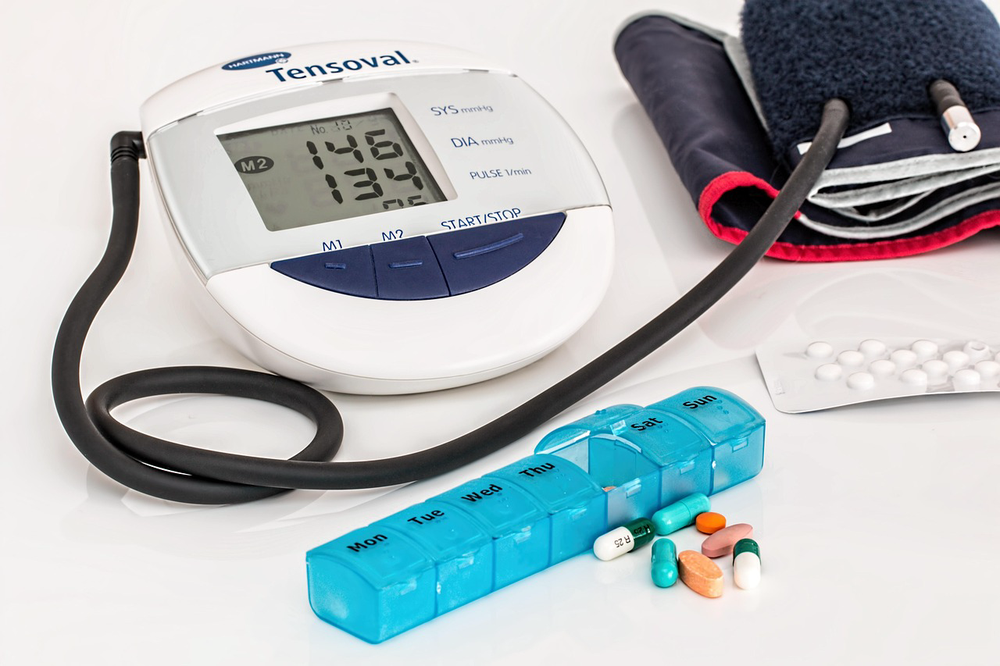
The good news is that early detection is powerful. These warning signs are not a diagnosis—they're an invitation to look closer. If any of them sound familiar, start with a simple blood pressure check. Home monitors are affordable and easy to use, and a single reading can tell you whether it's time to talk to a healthcare provider about imaging tests, lab work, or a more comprehensive heart health assessment.
When to Seek Help
If you experience sudden, severe chest pain, difficulty breathing that doesn't improve with rest, or a headache that is the worst you've ever had, call emergency services immediately. Those are not warning signs—they are urgent signals that require immediate care. Otherwise, using this list as a conversation starter with your primary care doctor is a responsible next step. Lifestyle changes, medication, and monitoring can all help manage both hypertension and plaque progression, often before permanent damage is done.