
Living with heart valve disease often feels like navigating a landscape where the usual rules of energy and rest have shifted. The heart, tasked with pumping blood through a valve that no longer opens fully or closes tightly, has to work harder. While medical treatments—ranging from medication to surgery—are essential, the day-to-day experience of managing this condition happens at home. Below are four evidence-informed strategies that can support your heart function, reduce strain, and improve your quality of life.
1. Establish a low-sodium rhythm in the kitchen
When a heart valve is compromised, the body tends to retain fluid, which increases the workload on the heart. Sodium is the primary driver of fluid retention. Reducing your intake is not about bland food—it is about shifting to whole, fresh ingredients and using herbs, citrus, and vinegar for flavor.
Start by reading labels on everything: canned soups, deli meats, frozen dinners, and even bread often hide surprising amounts of salt. Aim for less than 1,500 to 2,000 milligrams per day, but do not fixate on numbers—focus on habits. Cooking from scratch, rinsing canned beans, and choosing fresh poultry over processed versions can cut sodium dramatically without feeling restrictive.
A practical trick: Keep a small bowl of lemon wedges and a pepper grinder on the table. A squeeze of acid and a crack of pepper often satisfies the flavor need that salt was filling.
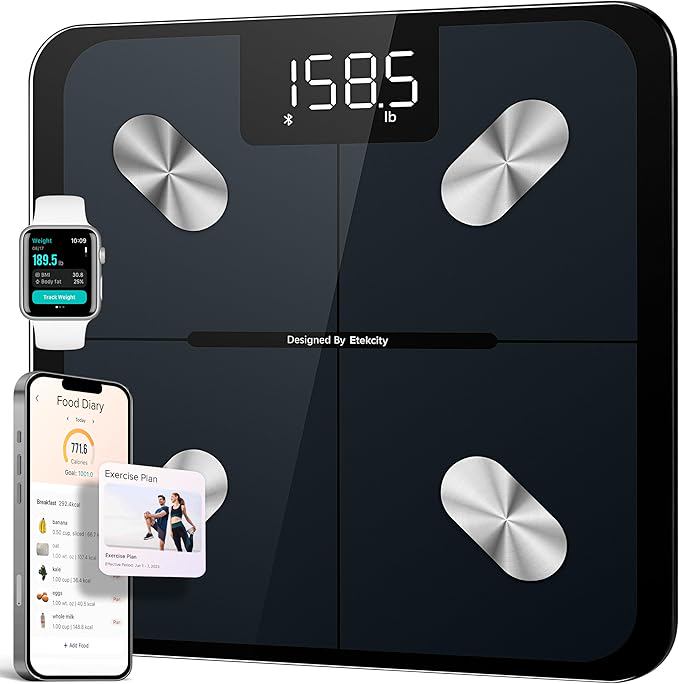
2. Weigh yourself daily and stay alert to fluid shifts
Many people with heart valve disease do not notice gradual fluid buildup until it causes shortness of breath or swelling in the ankles. A daily morning weight—right after using the bathroom, before eating, in the same amount of clothing—can catch a gain of two to three pounds in a day or five pounds in a week. That pattern is a red flag.
Keep a simple log. If you see a steady upward trend, call your care team before symptoms worsen. This is not about vanity; it is one of the most sensitive early warnings your body gives. Pair this with checking for subtle swelling in your feet, legs, or abdomen. Shoes that feel tight by midday or rings that are harder to remove are practical clues.
3. Adopt a pacing mindset for physical activity
The instinct when feeling weak is often to rest more, but careful movement helps maintain circulation, muscle tone, and mood. The key is pacing: break tasks into smaller rounds with rest in between. For example, instead of folding all laundry at once, fold one basket, sit for five minutes with your feet up, then finish.
Walking is generally the safest activity. Start with short durations—five to ten minutes—and gauge your breathing. You should be able to talk in full sentences without gasping. If you experience dizziness, chest tightness, or unusual fatigue, stop and rest. Always check with your cardiologist before starting a new exercise routine, as the type and severity of your valve condition matter.
- Listen to your perceived exertion: On a 0–10 scale, keep effort around a 3 or 4.
- Avoid isometric strains: Heavy lifting, pushing, or sudden bursts of effort can spike blood pressure and stress the valve.
- Hydrate wisely: If fluid restriction is part of your plan, account for water intake during and after activity.
4. Know the signs that mean you need to call a doctor
Home management is not about going it alone. The most important skill is knowing when to reach out. Beyond weight gain, watch for these thresholds:
- New or worsening shortness of breath, especially when lying flat or waking up at night.
- Persistent cough or wheezing, particularly with pink frothy mucus.
- Rapid or irregular heartbeat that does not settle within a few minutes.
- Sudden confusion or feeling faint.
Keep a list of your medications, doses, and your cardiologist’s number in a visible spot. Do not wait for an appointment if symptoms escalate. Calling early often prevents a hospital stay.
Managing heart valve disease at home requires awareness, consistency, and a willingness to adapt. These four steps create a framework that supports your heart while honoring the limits your body signals. Pair them with regular checkups and open communication with your healthcare team, and you build a stable foundation for long-term health.