Managing diabetes often involves a careful balance of medication, food, and activity. While the focus is frequently on keeping blood sugar from climbing too high, the opposite problem—hypoglycemia, or dangerously low blood sugar—can be just as serious, especially when triggered by certain medications. Insulin and some oral diabetes drugs, like sulfonylureas, can sometimes push glucose levels too low, leading to a state that requires immediate attention.
Recognizing the early warning signs isn't just about avoiding a shaky feeling; it's about preventing confusion, injury, or loss of consciousness. Here are three distinct warning signs that your blood sugar may be dropping to a dangerous level due to medication, and what each signal actually means for your body.
1. The Sudden Onset of Autonomic Symptoms: Sweating and Trembling
When blood sugar falls quickly, your body releases the hormone epinephrine (adrenaline). This is an emergency response designed to signal the liver to release stored glucose. However, this surge also produces very clear physical cues.
Sweating is often the first noticeable sign, and it happens regardless of whether you are hot or exerting yourself. Many people report a cold, clammy sweat on the back of the neck or forehead. This is distinct from the sweat caused by exercise or heat.
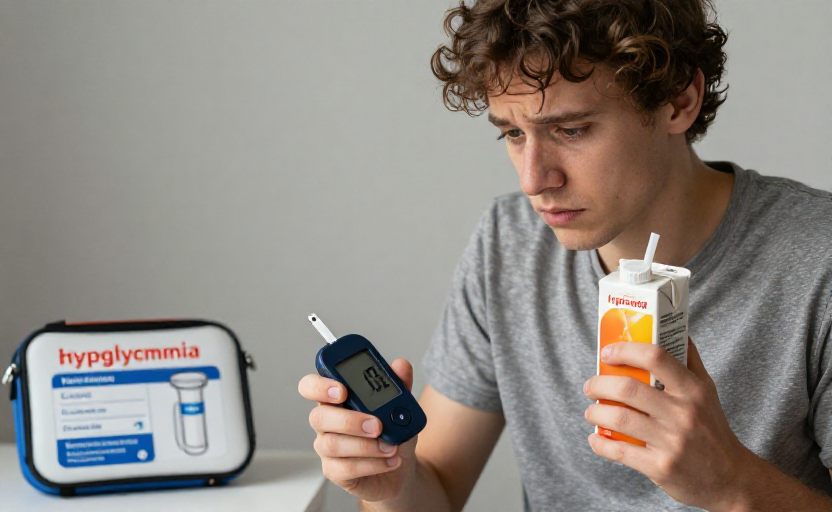
Trembling or shakiness is another hallmark. You might notice your hands shaking when you try to hold a glass, or feel a subtle internal tremor in your chest. These symptoms are your body's warning lights flashing. If you are taking medication that can cause hypoglycemia, these sensations are a strong indicator to check your blood glucose level immediately.
2. Neurological Impairment: Confusion and Slurred Speech
As blood sugar drops further, the brain begins to run out of its primary fuel source. This leads to what is called neuroglycopenic symptoms—meaning the brain is not getting enough glucose to function properly.
Confusion can appear suddenly. A person might have trouble completing a sentence, forget where they are, or struggle to perform a simple task like unlocking a door. This can sometimes be mistaken for intoxication or fatigue. Slurred speech is another common sign, as the muscles used for speaking rely on a steady supply of glucose.
A practical point: If someone with you seems confused or is speaking oddly and they have diabetes, do not assume they are just tired. Check their blood sugar if possible, and don't hesitate to offer a quick source of sugar if they can swallow safely.
3. Physical Weakness and Motor Dysfunction
When blood glucose falls dangerously low, the body's motor functions can be dramatically affected. This goes beyond simply feeling tired. You may experience sudden, extreme weakness that makes it difficult to lift your arms or walk steadily.
Coordination problems are common. Someone experiencing this might bump into walls, drop objects, or feel as though their legs are made of rubber. In severe cases, this can lead to a fall. Visual changes, such as blurred or double vision, can also occur during this stage, further increasing the risk of injury.
If this weakness is accompanied by autonomic signs like sweating and confusion, it is a medical emergency. The priority is to get the blood sugar up quickly with fast-acting glucose, such as glucose tablets, fruit juice, or regular soda, and to seek medical help if the person does not improve within 15 minutes.
Why Medication Is Often the Trigger
It is important to understand that not all diabetes medications carry the same risk of hypoglycemia. Metformin, for example, rarely causes low blood sugar on its own. The primary culprits are:
- Insulin: Especially rapid-acting and long-acting formulations. A mismatch between the insulin dose and carbohydrate intake or activity level is a frequent cause.
- Sulfonylureas: Medications like glipizide, glyburide, and glimepiride stimulate the pancreas to release more insulin, which can lead to lows if meals are skipped or delayed.
- Meglitinides: Drugs like repaglinide and nateglinide are also insulin secretagogues and can cause similar issues.
Prevention often involves careful timing of meals, consistent carbohydrate intake, and monitoring blood sugar before and after exercise. Discussing any changes in your eating habits or activity level with your doctor can help prevent medication-related lows.
When to Act Immediately
Severe hypoglycemia is defined by the need for assistance from another person. If someone is unconscious, having a seizure, or unable to swallow, do not give them food or drink—they could choke. Instead, administer glucagon (if available) and call for emergency medical services.
For mild to moderate symptoms where the person is awake and alert, the standard rule is the “Rule of 15.” Eat or drink 15 grams of fast-acting carbohydrate, wait 15 minutes, and recheck blood sugar. If it is still below 70 mg/dL, repeat the process.