When menstrual cramps strike, many of us reach for a heating pad or an over-the-counter pain reliever. But there is another soothing option that has been studied for its potential to ease period pain: herbal tea. While the research is still emerging, a few specific teas show promise for helping with the muscle tension and inflammation that drive menstrual cramps.
Below, we look at three teas that have been examined in scientific studies for their effects on dysmenorrhea (the medical term for painful periods). Remember that teas are a complementary approach, not a replacement for medical care, and it is always wise to check with a healthcare provider before adding new herbs to your routine — especially if you are pregnant, nursing, or have an existing health condition.
What causes menstrual cramps?
Menstrual cramps happen when the uterus contracts to shed its lining. These contractions are triggered by hormone-like substances called prostaglandins. Higher prostaglandin levels are linked to more intense pain. Factors like endometriosis, fibroids, or pelvic inflammatory disease can also worsen cramping, but in most cases, the pain is primary dysmenorrhea — meaning no underlying condition is causing it.
Herbal teas may help because several herbs contain compounds that can relax smooth muscle. But which specific teas have actual research behind them? Let's take a closer look.
Chamomile tea
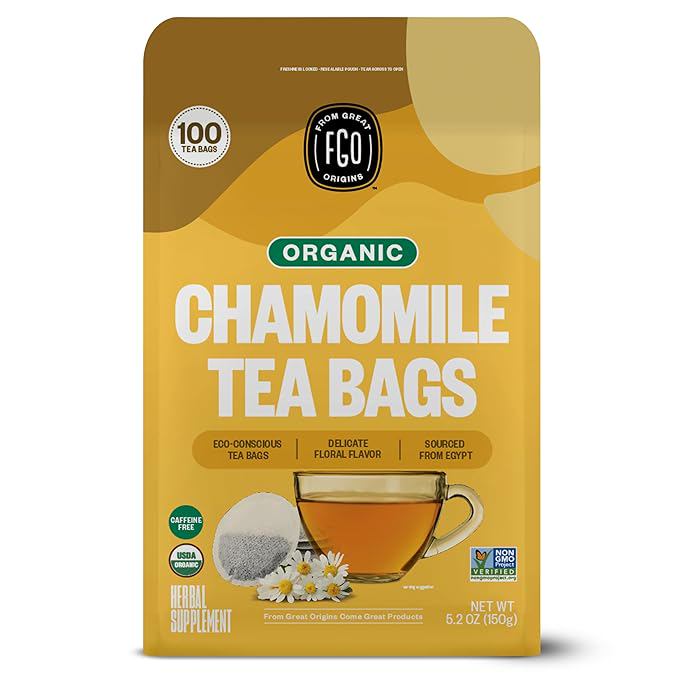
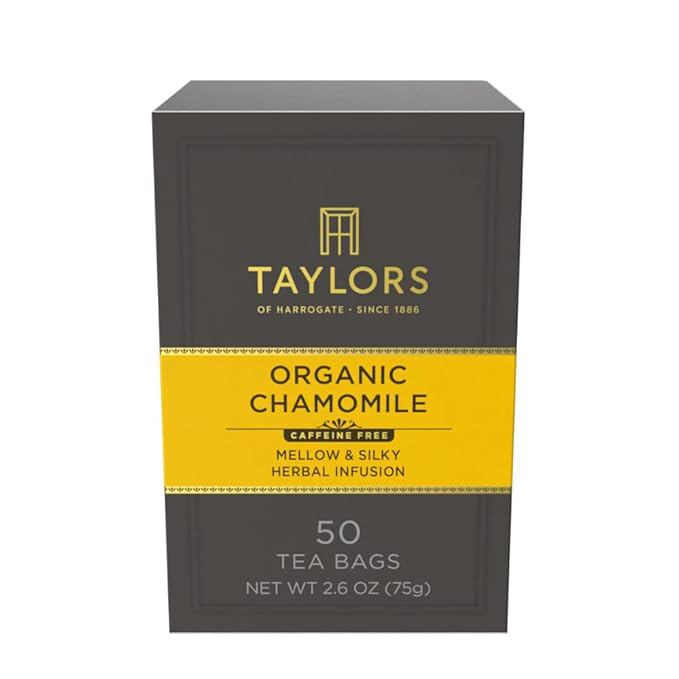
Chamomile is one of the most studied herbs for menstrual pain. A 2010 randomized controlled trial published in the Journal of Agricultural and Food Chemistry found that drinking chamomile tea for 30 days significantly reduced prostaglandin levels in women with dysmenorrhea. The participants also reported less pain intensity compared to the control group.
Chamomile contains apigenin, a flavonoid that binds to benzodiazepine receptors in the brain and has a mild calming effect. This combination of muscle relaxation and anti-inflammatory action may explain why many women find relief. For best results, try drinking two to three cups of chamomile tea daily, starting a few days before your period is expected.
A note on brewing: Steep a chamomile tea bag or loose flowers in hot water for 5 to 10 minutes, covered, to preserve the volatile oils.
Ginger tea
Ginger is well known for its anti-inflammatory properties, and several studies suggest it can be as effective as ibuprofen for menstrual pain. A 2009 study in the Journal of Alternative and Complementary Medicine compared ginger powder to ibuprofen in 150 women with dysmenorrhea. Both treatments provided similar pain relief, and ginger had fewer side effects.
Ginger works by blocking the production of prostaglandins and leukotrienes, which are inflammatory compounds involved in cramping. You can drink fresh ginger tea by simmering sliced ginger root in water for 10 minutes, or use ginger tea bags. Aim for one to two cups per day during your period.
It is worth noting that ginger can thin the blood, so if you take anticoagulant medications or have a bleeding disorder, consult your doctor before using ginger in medicinal amounts.
Peppermint tea
Peppermint tea is commonly enjoyed for digestive issues, but it also has antispasmodic properties that may help with menstrual cramps. Menthol, the active compound in peppermint, relaxes smooth muscle tissue, including the uterine muscle.
While the direct evidence for peppermint tea specifically for menstrual cramps is less extensive than for chamomile or ginger, a 2016 study in Iranian Journal of Nursing and Midwifery Research found that peppermint essential oil aromatherapy reduced pain intensity in women with dysmenorrhea. Drinking peppermint tea delivers menthol through the digestive tract, which may have a similar muscle-relaxing effect.
Peppermint tea is generally very safe, but if you have gastroesophageal reflux disease (GERD), it can sometimes relax the lower esophageal sphincter and make symptoms worse. Start with one cup and see how you feel.
How to make these teas part of your routine
The key to getting the most benefit from these teas is consistency. Drinking them sporadically may not provide enough of the active compounds to make a difference. Consider starting a daily ritual two to three days before your period begins and continuing through the first few days of bleeding. Pair the tea with other supportive habits:
- Hydrate well. Dehydration can worsen muscle cramps. Herbal tea counts toward your fluid intake.
- Use heat. A warm tea plus a heating pad on your lower abdomen can provide double relief.
- Move gently. Light stretching or walking can help relax pelvic muscles.
- Choose low-caffeine options. Caffeine constricts blood vessels and may make cramps feel worse. Herbal teas are naturally caffeine-free.
What the research does not tell us
It is important to be realistic about what these studies show. Most are small, and some rely on self-reported pain, which can be subjective. The quality of the tea also matters — some commercial tea bags contain very little of the actual herb. For a stronger effect, you may want to look for brands that list the herb content or use loose-leaf preparations.
Also, if your menstrual pain is severe, does not respond to over-the-counter medications, or is accompanied by heavy bleeding, fever, or vomiting, see a healthcare provider. That kind of pain could signal an underlying condition like endometriosis or fibroids that needs proper diagnosis and treatment.
While no tea is a cure-all, chamomile, ginger, and peppermint are among the safest and most researched options for naturally supporting your body through the menstrual cycle. Try them as part of a broader self-care plan, and listen to what your body tells you.