When your child has blood sugar concerns, the conversation often revolves around what they can't eat. Less sugar. Fewer carbs. Skip the juice box. But as a parent, you know that mealtime can feel like a negotiation, and restrictive diets rarely win long-term cooperation. The good news is that certain foods work with the body, not against it, to help keep glucose levels steadier between meals.
For children with diabetes or prediabetes, blood sugar management is a daily priority. But the focus doesn't have to be solely on elimination. Adding the right foods can make a meaningful difference, especially ones you might not expect. These three surprising options are backed by research, relatively easy to find, and kid-friendly enough to actually get eaten.
Why Blood Sugar Stability Matters for Kids
Children's bodies metabolize carbohydrates and insulin differently than adults'. They have smaller glycogen stores and can be more sensitive to rapid changes in blood glucose. When blood sugar spikes and crashes, it affects not just physical energy but also mood, focus, and even behavior in school. Over time, repeated high swings can strain the pancreas and contribute to insulin resistance.
Adding blood-sugar-stabilizing foods to a child's diet helps:
- Keep energy levels even throughout the day
- Reduce cravings for more sweets
- Support better concentration during homework or sports
- Lower the risk of developing long-term metabolic complications
Here are three practical additions that can help, starting with one that belongs in the produce drawer.
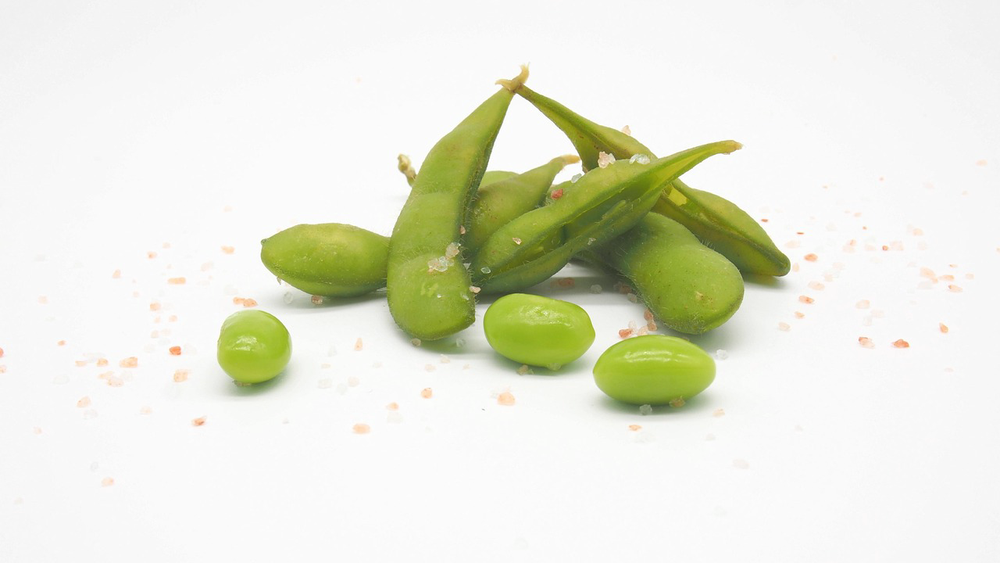
1. Edamame
Edamame — steamed, shelled soybeans — is a nutritional powerhouse that many kids already like. They come frozen, steam in minutes, and have a naturally mild, slightly sweet flavor. But their real value lies in a unique nutritional profile.
One cup of shelled edamame contains about 17 grams of protein and 8 grams of fiber. Both protein and fiber slow down the absorption of carbohydrates into the bloodstream. When paired with a carb-heavy meal (like rice or noodles), edamame can blunt the post-meal blood sugar rise.
A 2020 study in the Journal of Diabetes Investigation found that consuming soybeans significantly improved fasting blood glucose and insulin sensitivity in participants with type 2 diabetes. For children, the effect is similar: the fiber and protein create a gentler glucose curve. Edamame also contains isoflavones, a class of antioxidants that may improve endothelial function — important for kids who face long-term cardiovascular risks from diabetes.
How to serve it: Warm edamame with a sprinkle of sea salt makes an easy after-school snack. You can also toss shelled edamame into stir-fries or pasta dishes. Some kids enjoy it cold in lunchboxes.
Tip: Edamame is a whole soybean. Avoid processed soy products like soy protein isolates or soy nuggets, which lack the fiber and benefit.
2. Barley
Barley looks like a humble grain, and it is often overlooked in favor of quinoa or farro. But it is one of the richest food sources of beta-glucan, a soluble fiber that forms a gel-like substance in the intestines. That gel slows the digestion of starch and delays the absorption of glucose into the bloodstream.
A revealing 2017 study from Lund University in Sweden compared barley bread to white bread. The barley bread reduced participants' blood sugar spikes by nearly 30% for the entire following day, not just after that meal. This 'second-meal effect' means that eating barley at lunch can improve blood sugar control at dinner — a benefit few other foods offer.
For children, barley can replace fast-acting grains in soups, stews, or as a side dish. Unlike refined grains, barley does not cause a rapid glucose surge. One cup of cooked pearled barley provides about 6 grams of fiber, compared to less than 1 gram in white rice.
How to serve it: Add hulled or pearled barley to chicken soup, use it as a base for a warm breakfast bowl with berries, or mix with vegetables in a pilaf. Most kids accept it when it is hidden in brothy soups.
Caveat: Hulled barley has more fiber than pearled barley but takes longer to cook. Both are excellent. Rinse before cooking.
3. Cinnamon
Cinnamon is not a major source of calories or fiber, but it contains bioactive compounds that may influence glucose metabolism. Cinnamaldehyde and proanthocyanidins — the same compounds that give cinnamon its aroma — have been shown to increase insulin sensitivity at the cellular level. The effect appears to involve improved glucose uptake by muscle cells and reduced insulin resistance.
A meta-analysis of 16 randomized controlled trials, published in 2019 in Diabetes, Obesity and Metabolism, found that cinnamon supplementation significantly reduced fasting blood glucose and HbA1c in people with type 2 diabetes. The average reduction in fasting glucose was about 5.4 mg/dL. While these studies were mostly in adults, the mechanism applies similarly in children. A smaller 2013 study in children with type 1 diabetes found that a daily dose of 1 gram of cinnamon lowered average blood glucose levels over 90 days.
Important note for parents: Cassia cinnamon, the common supermarket type, contains coumarin, a compound that can be toxic to the liver in large amounts, especially in children. Limit intake to no more than 1/2 teaspoon (about 1 gram) per day per child. Ceylon cinnamon, also called 'true cinnamon', contains much less coumarin and is preferable for daily use.
How to serve it: Sprinkle Ceylon cinnamon onto oatmeal, yogurt, apple slices, or even into pancake batter. You can also stir a pinch into unsweetened nut milk for a warm bedtime drink. Avoid giving cinnamon as a supplement or 'in tea' in amounts above 1 gram per day without consulting your child's doctor.
Remember: Cinnamon is a helpful supporting player, not a standalone treatment. It works best alongside a balanced diet and medication if prescribed.
Putting These Foods into a Child's Routine
None of these three foods is a quick fix. Edamame, barley, and cinnamon work through cumulative effects — steady intake over days and weeks helps stabilize blood sugar patterns. Start by integrating one into an existing meal rather than overhauling the whole diet. If your child resists barley, try it in a familiar soup. If edamame seems too 'green', offer it salted warm from the pod as a snack.
A single food will not turn diabetes around, but a pattern of eating that includes these players, along with regular physical activity and adequate sleep, can meaningfully support blood sugar health. Always work with your pediatric endocrinologist or registered dietitian before making changes to food intake, especially if your child uses insulin.