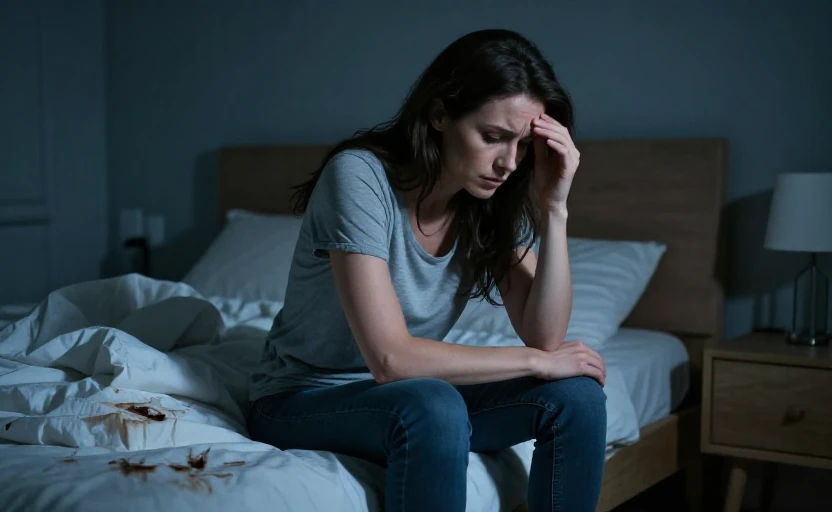
Waking up drenched is a common, if unwelcome, companion for many women during the menopausal transition. It’s often the first explanation we reach for when the sheets are soaked. But while hormonal fluctuations are a frequent culprit, they aren’t the only possible cause. Sometimes, your body uses night sweats as a signal for something else entirely—a signal that’s easy to miss if we assume it’s ‘just menopause.’
Paying attention to the specific pattern and accompanying details of your night sweats can offer important clues. Here are three subtle warning signs that suggest it’s worth having a conversation with your healthcare provider to explore the full picture.
1. The Sweats Feel “Sick” or Are Accompanied by Unexplained Fever
Menopausal hot flashes and night sweats are primarily a vascular event—a sudden feeling of intense heat, often followed by flushing and sweating as the body tries to cool down. They can be profoundly disruptive, but the sensation is typically one of heat, not illness.
A key distinction lies in the presence of a fever. True night sweats, in a medical sense, are often defined as drenching sweats that require a change of clothes or bedding and are not caused by an overheated room or too many blankets. When these are accompanied by an actual fever (a temperature over 100.4°F or 38°C), chills, or a general feeling of being unwell—like you’re coming down with the flu—it points toward an infectious or inflammatory process.
Menopausal heat is a wave; febrile sweats often feel like a storm.
Your body may be fighting something. Occasional infections can cause this, but persistent, cyclical fevers with night sweats warrant investigation. It’s a sign your immune system is actively engaged.
2. They Follow a Specific, Unrelated Trigger (Like a Meal or Drink)
Menopausal hot flashes can be unpredictable, though some women notice links to stress, caffeine, or spicy foods. However, if your night sweats consistently and reliably occur after a specific, non-spicy trigger—particularly eating or drinking—it’s a noteworthy pattern.
Consider the timing. Do you sweat profusely a few hours after a meal, especially one rich in carbohydrates or sugars? This could be a sign of reactive hypoglycemia, where blood sugar spikes and then drops sharply, triggering an adrenaline response that causes sweating. Similarly, night sweats after alcohol consumption, even in small amounts, are a classic sign of alcohol intolerance or a reaction as the body metabolizes it.
Another distinct trigger is sweating specifically after eating cheese, aged meats, or certain other foods. This can rarely be associated with carcinoid syndrome, where a tumor releases hormones. While rare, the very specific trigger is the clue. The takeaway isn’t to fear every snack, but to observe: if there’s a consistent, repeatable link that doesn’t align with a typical hot flash pattern, mention it to your doctor.
3. You Have Other New, Systemic Symptoms
Menopause can bring a constellation of symptoms—mood changes, sleep disturbances, vaginal dryness. But it typically doesn’t cause new, systemic symptoms in other, unrelated body systems. This is perhaps the most important sign to watch for.
Night sweats that are part of a broader pattern of change deserve attention. Ask yourself if you’ve also experienced, since the sweats began:
- Unintentional weight loss: Losing weight without trying is a significant red flag that should always be discussed.
- Persistent fatigue: Beyond the tiredness from disrupted sleep, a deep, unshakable exhaustion that doesn’t improve with rest.
- Swollen lymph nodes: Particularly in the neck, armpits, or groin, that persist for more than a few weeks.
- Changes in appetite or abdominal pain.
- A persistent cough or shortness of breath.
When night sweats arrive in tandem with symptoms like these, they can be a sign that the body is responding to something systemic, such as an autoimmune condition (like rheumatoid arthritis or lupus), a thyroid disorder (like hyperthyroidism), or other underlying health issues. The sweats are one piece of a larger puzzle.
What to Do With This Information
Noticing these signs isn’t meant to cause alarm, but to empower a more informed conversation with your healthcare provider. It’s the difference between saying “I’m having night sweats” and providing valuable context: “I’m having drenching night sweats, and I’ve also lost ten pounds without trying over the last two months.”
Before your appointment, keep a brief log for a week or two. Note the timing, severity, what you ate or drank beforehand, and any other symptoms you feel that day or upon waking. This concrete data is far more useful than a general recollection.
Your provider’s role is to listen, perform a physical exam, and possibly order basic blood work—like a complete blood count (CBC), thyroid-stimulating hormone (TSH) test, or blood sugar tests—to rule out common alternatives. Often, this investigation will confirm that hormonal changes are indeed the primary driver, but now you’ll have that clarity. In other cases, it may identify a separate or concurrent condition that needs its own management.
Understanding the nuances of your body’s signals is a cornerstone of navigating midlife health. Night sweats are a common symptom, but they are not always a simple one. By paying attention to these subtle warning signs, you move from passive experience to active partnership in your own well-being.