Our relationship with food is deeply personal, influencing everything from our energy levels to our mood. Sometimes, the connection between what we eat and how we feel is direct and obvious. Other times, it’s more subtle, quietly shaping aspects of our well-being we might not immediately link to our plate. Sexual health and libido can be one of those quiet connections.
While we often hear about foods touted as aphrodisiacs, the conversation rarely flips to consider how everyday nutritional gaps or patterns might contribute to a dip in sexual desire. It’s less about finding a magical food and more about noticing when your body might be signaling a foundational need. Here are three specific symptoms that could point to a nutrition-related influence on your libido.
A Persistent Drop in Energy and Motivation
It’s normal to feel tired after a long day, but a consistent, heavy fatigue that dampens your general zest for life often extends to your sexual interest as well. Libido isn't just a switch you flip; it requires a baseline of physical and mental energy. When you’re perpetually drained, intimacy can feel like another item on a daunting to-do list.
This kind of fatigue can be a sign of several nutritional factors:
- Insufficient Iron: Iron is crucial for producing hemoglobin, which carries oxygen in your blood. Low levels can lead to iron-deficiency anemia, marked by profound tiredness, weakness, and pale skin.
- Inconsistent Blood Sugar: Diets high in refined sugars and simple carbs can cause energy spikes and crashes. This rollercoaster can leave you feeling irritable and spent, with little reserve for anything else.
- Inadequate Calories or Key Nutrients: Simply not eating enough to support your body’s basic functions—or missing key B vitamins involved in energy production—can manifest as constant fatigue.
Think of your libido as a plant. It needs steady sunlight (energy) and water (nutrients) to bloom. If the basics are lacking, it will conserve resources just to stay alive.
Noticeable Shifts in Mood or Increased Stress
Our emotional landscape is intimately tied to sexual desire. Feelings of anxiety, low mood, or being chronically stressed are well-known libido dampeners. What we eat plays a significant role in regulating brain chemistry and our stress response system.
If you find yourself feeling more irritable, anxious, or down, your diet might be a contributing factor:
- Blood Sugar Imbalance: As with energy, sharp dips in blood sugar can trigger the release of stress hormones like cortisol and adrenaline, putting your body in a heightened state that isn’t conducive to relaxation or intimacy.
- Omega-3 Deficiency: These essential fats, found in fatty fish, walnuts, and flaxseeds, are vital for brain health. They help build cell membranes in the brain and have been linked to mood regulation.
- Gut Health Connection: An imbalance in gut bacteria can influence the production of neurotransmitters like serotonin, which regulates mood. A diet low in fiber and fermented foods may not support a diverse, healthy gut microbiome.
When your nervous system feels constantly on alert or your mood is low, the part of the brain responsible for sexual drive often gets deprioritized. Your body is focused on perceived survival, not connection.
Changes in Your Body’s Physical Responses
Sometimes the signals are more physical. Libido isn't only about desire in the mind; it involves the body’s ability to respond. Certain nutritional deficiencies can directly impact the physiological pathways involved in sexual function.
Be mindful of symptoms like:
- Poor Circulation or Cold Extremities: Healthy blood flow is essential for sexual response in all bodies. Diets high in processed foods and low in foods that support nitric oxide production (like leafy greens and beets) can affect circulation.
- Dry Skin, Hair, and Mucous Membranes: This can be a sign of dehydration or a lack of essential fatty acids. Hydration and healthy fats are key for all bodily tissues, including sensitive ones.
- Hormonal Fluctuations Felt More Acutely: While hormones naturally ebb and flow, severe PMS, irregular cycles, or other hormonal symptoms can sometimes be influenced by diet. For instance, extreme dieting or very low body fat can disrupt normal hormone production.
It’s important to note that these physical symptoms can have many causes, and nutrition is just one piece of a complex puzzle. However, they are valid clues worth discussing with a healthcare provider, as they can point to underlying imbalances.
Focusing on Foundation, Not Quick Fixes
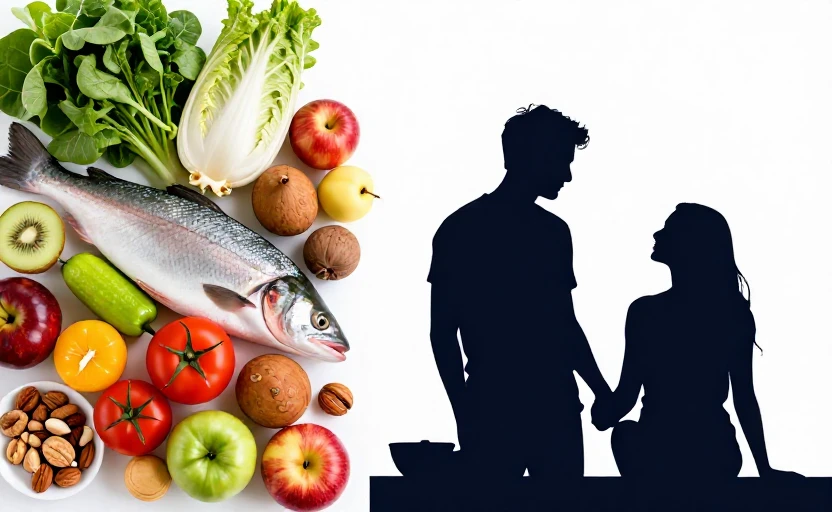
If you recognize yourself in these symptoms, the approach isn’t to hunt for a single “libido-boosting” superfood. Instead, consider building a nutritional foundation that supports your overall vitality.
Shift your focus to consistent, balanced meals with plenty of whole foods—vegetables, fruits, lean proteins, whole grains, and healthy fats. Prioritize hydration. Notice how different foods make you feel, not just in the moment, but hours later. Are you energized and stable, or sluggish and irritable?
Nutrition that supports libido is the same nutrition that supports a resilient, well-functioning body and a calm, present mind.
If you’re experiencing a significant or persistent drop in libido alongside these symptoms, a conversation with a doctor or a registered dietitian is a wise step. They can help rule out other medical causes, check for specific deficiencies, and guide you toward a personalized plan that addresses your whole health, creating the conditions where desire can naturally flourish again.