The quiet moments between plans can sometimes feel the loudest. That pang of loneliness when you’re scrolling through social feeds, or the low hum of anxiety before a social gathering, is a deeply human experience. While these feelings are complex and often benefit from professional support, simple, nurturing rituals can offer a gentle hand of comfort. One of the most ancient and accessible of these is the simple act of brewing a cup of tea.
Beyond hydration, tea is a ritual of pause. The warmth of the cup in your hands, the mindful preparation, the aromatic steam—it creates a small, sacred space for yourself. Certain herbs, steeped for centuries in traditional wellness practices, are particularly noted for their calming properties that may help soothe the nervous system and ease feelings of social unease or isolation.
How Can Tea Help with Social Anxiety?
It’s important to frame this correctly: tea is not a cure, but a companion. The benefit lies in a combination of factors. First, the ritual itself forces a break from the cycle of anxious thoughts or the numbness of isolation. You are actively doing something kind for yourself.
Second, many herbs contain natural compounds that interact with our nervous system. Some gently support the body’s stress-response pathways, while others may promote a sense of relaxation without drowsiness. Think of it as providing a nourishing environment where your mind can find its own balance.
The simple act of preparing tea is an invitation to be present, turning a moment of unease into one of mindful self-care.
Three Soothing Teas to Explore
When choosing a tea for anxiety, look for caffeine-free herbal infusions, known as tisanes. Here are three widely respected options, each with a unique character.
Chamomile: The Classic Calm
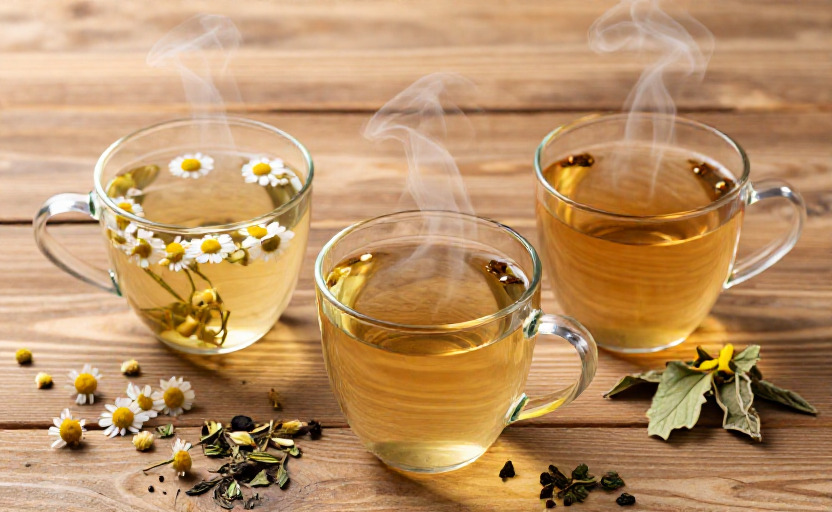
Often called “nature’s gentle tranquilizer,” chamomile is the quintessential bedtime tea for good reason. Its delicate, apple-like flavor comes from flowers rich in an antioxidant called apigenin, which is believed to promote relaxation and mild sedation by binding to certain receptors in the brain.
For social anxiety, a cup of chamomile about 30 minutes before an anticipated event may help take the sharp edge off nervous anticipation. It’s like a warm, reassuring whisper to your system that it’s okay to slow down.
- Best for: Quieting pre-event jitters, winding down after an overwhelming social day.
- Taste profile: Mild, floral, slightly sweet.
- Tip: Steep for a full 5-10 minutes with a lid on the cup to trap the beneficial volatile oils.
Lemon Balm: The Uplifting Ally
If your social anxiety is paired with a low mood or feeling of heaviness, lemon balm might be a brighter choice. A member of the mint family, it has a light, citrusy aroma that is inherently uplifting. Historically used to “gladden the heart,” modern research suggests it may help reduce feelings of anxiety and agitation.
Lemon balm is thought to have a gently uplifting yet calming effect, making it suitable for when you feel both isolated and restless. It can be a wonderful companion for quiet afternoons when loneliness feels most palpable.
Lemon balm’s cheerful scent alone can act as a subtle mood lifter, engaging the senses to draw you back to the present.
Ashwagandha: The Adaptogenic Support
This root, central to Ayurvedic practice, is classified as an adaptogen—meaning it’s believed to help the body better manage stress. Unlike chamomile or lemon balm, its effect is more cumulative, building over time with regular use. It has a distinctive, earthy taste that is often mellowed with a dash of milk and honey.
Ashwagandha is not a quick fix but a potential long-term support. By helping to modulate the body’s cortisol (stress hormone) response, it may, over weeks, help build a more resilient baseline, making everyday social interactions feel less daunting.
- Best for: Daily support for chronic stress and anxiety that contributes to social withdrawal.
- Taste profile: Earthy, robust, slightly bitter.
- Tip: Often consumed as a powder mixed into warm milk (a “moon milk”) or as a capsule, but is also available in tea bags.
Making Your Tea Ritual Meaningful
The magic is in the mindfulness. Don’t just gulp it down. Use the time.
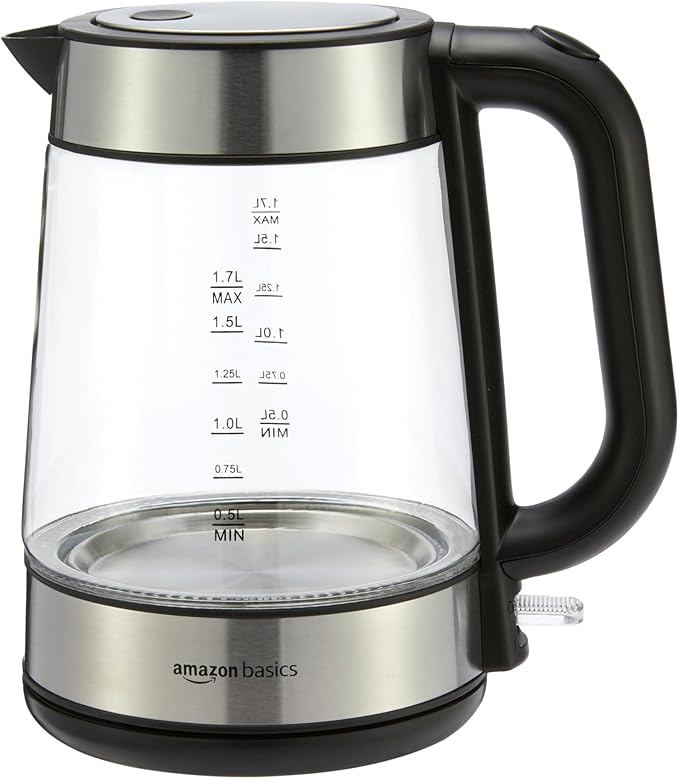
- Prepare with intention. Heat the water, select your cup, inhale the dry herbs. This is the beginning of the ritual.
- Steep attentively. Set a timer. Watch the water change color. This is a practice in patience.
- Sip slowly. Feel the warmth travel through you. Notice the flavors. Let each sip be an anchor to the current moment, not the anxious future or lonely past.
This ritual becomes a portable sanctuary. Whether you’re steeping a cup at your kitchen window or taking a thermos on a walk, you carry a reminder of calm with you.
A Gentle Note on Seeking Support
While these teas can be wonderful tools for managing mild, everyday feelings of anxiety and isolation, they are part of a holistic approach to well-being. If social anxiety or loneliness is significantly impacting your life, causing distress, or leading you to avoid connections, it is a sign of strength to seek support. Consider speaking with a therapist or counselor who can provide personalized strategies and support. Think of tea not as a replacement for professional care, but as a supportive, nurturing thread in the larger tapestry of your mental health.