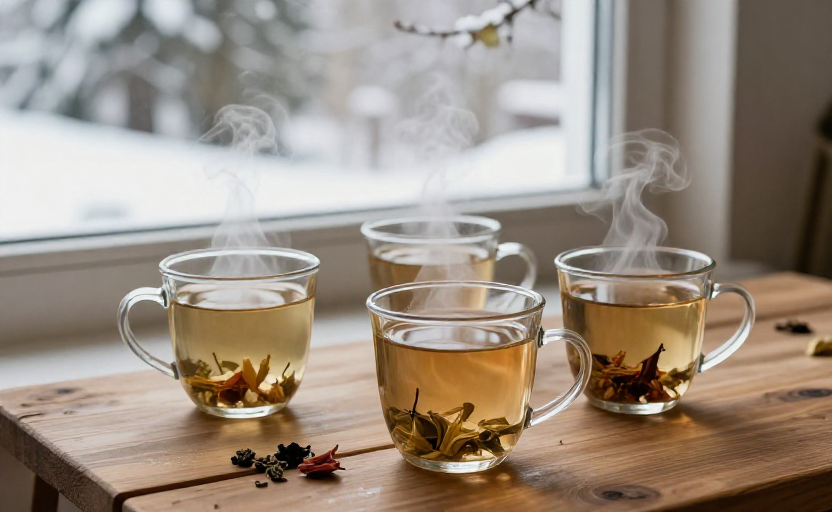
When winter's chill sets in, bringing shorter days and longer nights, a quiet unease can often settle in with the cold. This seasonal shift can amplify feelings of anxiety, making the search for natural, grounding comforts more urgent. For many, that comfort is found in the simple, ancient ritual of brewing a cup of tea—a moment of warmth and pause in a busy day. But not all teas are created equal when it comes to soothing a winter-weary nervous system.
We spoke with nutritionists to understand which herbal allies are most supportive during this season. Their recommendations focus on plants known for their calming, adaptogenic, and nervine properties—herbs that can help your body and mind adapt to stress rather than simply sedating you. Here are three of their top choices for a comforting cup that addresses winter anxiety at its roots.
Chamomile: The Classic Calmer
Often the first tea we reach for when feeling unsettled, chamomile’s reputation is well-earned. Nutritionists point to its high concentration of apigenin, an antioxidant that binds to specific receptors in your brain, promoting relaxation and reducing the physiological sensations of anxiety. Think of it less as a sleeping pill and more as a gentle signal to your nervous system that it’s safe to unwind.
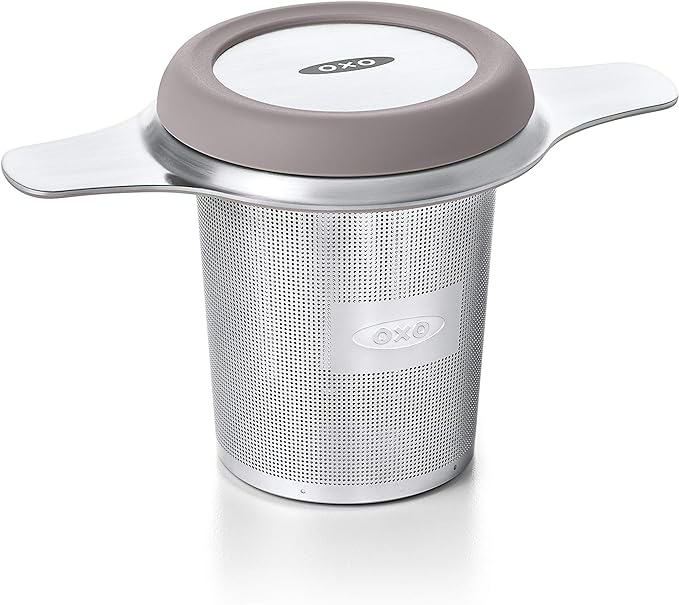
Its mild, slightly sweet apple-like flavor makes it an accessible choice any time of day. For the deepest benefit during winter, consider making your evening cup a mindful ritual. Steep a high-quality bag or loose flowers for a full five minutes to extract the beneficial compounds, and hold the warm mug in your hands for a moment before drinking, allowing the heat and aroma to anchor you in the present.
Chamomile’s magic is in its gentleness. It’s a supportive friend for your nerves, not a forceful intervention.
Lemon Balm: The Uplifting Ally
If your winter anxiety feels tinged with restlessness or low mood, lemon balm might be your perfect match. A member of the mint family, this herb offers a bright, citrusy flavor and a uniquely uplifting calm. Nutritionists value it for its dual action: it helps ease tension and promote a sense of tranquility while also gently lifting the spirits—a valuable combination during gloomy months.
Historically used to “gladden the heart,” modern research suggests lemon balm can help moderate the body’s stress response and support cognitive function without drowsiness. This makes it an excellent daytime tea when you need to stay focused yet calm. For a more robust infusion, use two tea bags or a generous scoop of loose leaves, and let it steep covered to preserve the volatile oils where much of the benefit lies.
Ashwagandha: The Adaptogenic Anchor
For a tea that works on a deeper, systemic level, nutritionists frequently recommend ashwagandha. This is an adaptogen, a class of herbs known for helping the body build resilience to physical and mental stress. Unlike chamomile or lemon balm, ashwagandha’s effects are cumulative, building over time with regular use. It’s particularly suited for the chronic, draining stress that can accumulate over a long winter.
Its earthy, slightly bitter taste is distinct. You’ll often find it blended with other herbs or spices like cinnamon and cardamom to make it more palatable. Because it’s a root, it benefits from being simmered for 10-15 minutes rather than just steeped. A nightly cup of ashwagandha tea can be a powerful part of a winter wellness routine, aiming to fortify your baseline stress tolerance.
Brewing Your Best Cup
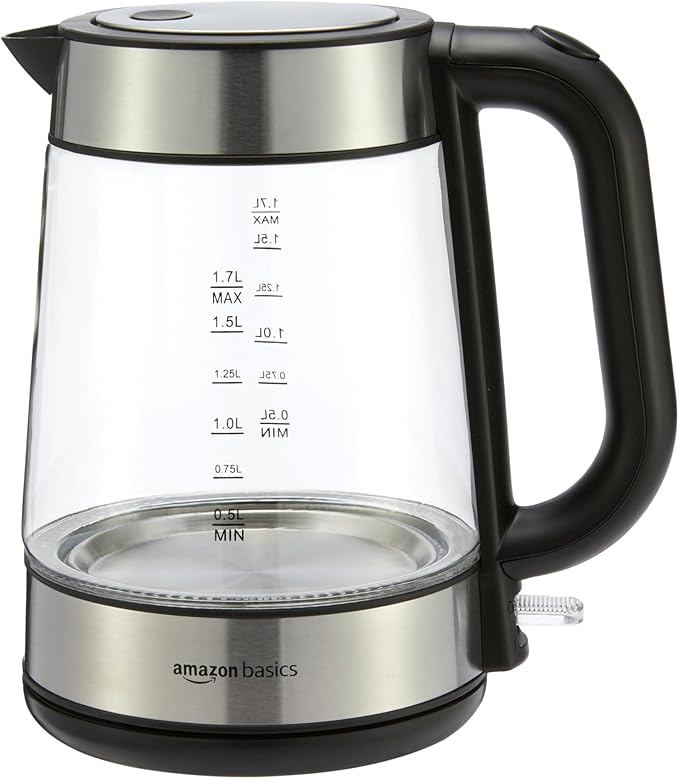
To get the most from these botanicals, technique matters. Always use freshly boiled water that has cooled slightly (just off the boil) for delicate flowers like chamomile to preserve their compounds. For roots like ashwagandha, actively simmering is better. Cover your cup while steeping to trap in the essential oils. Most importantly, give yourself the gift of those five to ten minutes. The act of slowing down to prepare and sip the tea is, in itself, a powerful antidote to anxiety.
A Note on Safety and Synergy
While these teas are generally considered safe for most adults, it’s wise to introduce one new herb at a time to see how you feel. If you are pregnant, nursing, taking medications, or have a thyroid condition (specifically regarding ashwagandha), consult with your healthcare provider before making them a regular part of your routine. Remember, these are supportive tools for wellness, not replacements for professional medical advice or treatment for anxiety disorders.
Winter asks us to turn inward, to conserve energy, and to seek warmth. Incorporating one of these nutritionist-recommended teas into your daily rhythm is a simple, nourishing way to honor that need. It’s a tangible practice of self-care that can provide a small, steady anchor of calm through the season’s storms.