High blood pressure often works quietly. For years, it can damage your body without causing a single obvious symptom. But sometimes, the first warning signs appear in something you use every waking moment: your vision.
Your eyes are the only place in the body where doctors can look directly at live blood vessels without cutting into the skin. The tiny arteries at the back of your eye, in the retina, mirror the health of blood vessels throughout your body. When hypertension begins to stress these delicate vessels, visible changes can occur — changes you may notice yourself.
Below are three silent symptoms of high blood pressure that show up in your vision. If any of these sound familiar, it's worth talking with a healthcare provider.
Blurred vision that comes and goes
One of the earliest visual signs of uncontrolled high blood pressure is fluctuating blurriness. You might find that your vision is sharp in the morning, but by mid-afternoon, things look slightly fuzzy. Or perhaps your vision blurs temporarily after standing up quickly or during moments of stress.
This happens because hypertension affects the tiny blood vessels that supply the retina. As pressure rises and falls, those vessels can spasm or leak fluid. The result is a temporary change in how clearly you see. If your prescription glasses suddenly stop working well, or if your vision seems to shift in clarity throughout the day, this can be a red flag — not an eye problem alone, but a circulation problem.
Sudden spots or floaters
Most people see an occasional floater — a tiny speck drifting across their field of vision. But when you have high blood pressure, these visual disturbances can become more frequent or more pronounced.
The mechanism is straightforward. Uncontrolled hypertension makes blood vessels more fragile. In the eyes, these fragile vessels can develop tiny leaks or small hemorrhages. What you perceive as a new spot, a cobweb-like shape, or a burst of floaters may actually be bleeding inside your eye. When this happens suddenly or in large numbers, it's not a harmless floater — it's a sign that your blood pressure may be damaging the retina's vascular network. This condition is called hypertensive retinopathy, and it is one of the most common eye-related complications of chronic high blood pressure.
If you see a shower of new floaters accompanied by flashes of light, seek medical attention immediately. This can signal a more serious tear or detachment, which is also more common in people with hypertension.
Vision loss that feels like a curtain or shadow
The most alarming — and most silent — symptom is a sudden loss of vision in one part of your visual field. This can feel like a dark curtain coming down from the top of your vision, or a shadow that blots out your side vision.
This symptom points to a blockage. High blood pressure accelerates atherosclerosis, the buildup of plaque inside arteries. A piece of that plaque can break loose and travel to the small arteries that nourish the retina. When one of those arteries becomes blocked, the retinal tissue it supplies begins to die. This event — a retinal artery occlusion — is essentially a stroke of the eye. The vision loss may be permanent unless blood flow is restored quickly.
Because high blood pressure rarely causes pain, many people ignore these visual changes, assuming they are just tired or stressed. But a retinal artery occlusion is a major warning sign: people who experience it are at significantly higher risk for having a brain stroke or a heart attack in the near future.
What to do if you notice these symptoms
If you have experienced any of these visual changes, especially if you have already been told you have high blood pressure or are over age 45, here are three practical steps:
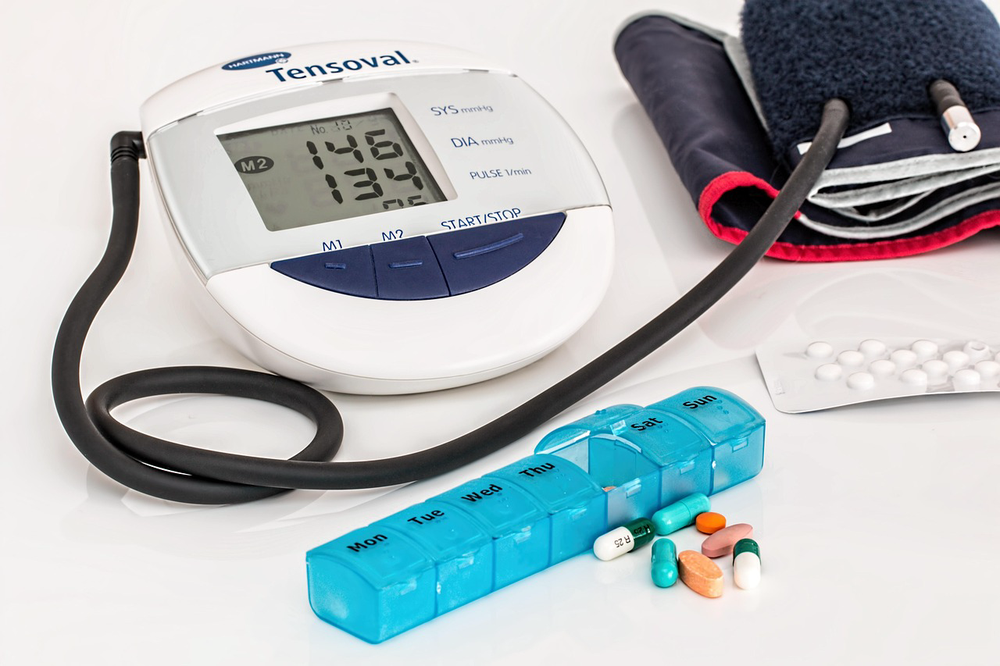
- Check your blood pressure — If you have a home monitor, take a reading. If not, visit a pharmacy or a clinic for a check. Write down the number and any symptoms you noticed at the time.
- See an eye doctor — An optometrist or ophthalmologist can examine your retina and see signs of hypertensive damage (narrowed vessels, leaking, or scarring) even before you notice vision changes. Regular dilated eye exams are one of the best ways to catch hypertension that you didn't know you had.
- Tell your primary care provider — Report any visual symptoms. A single episode of blurred vision that resolved on its own is still worth discussing. It may prompt a more thorough cardiovascular workup.
The bigger picture
Your eyes are not just the window to your soul — they are a window to your circulatory health. Silent symptoms like those described above give you an early chance to take action. Managing blood pressure through lifestyle changes, reduced sodium intake, regular physical activity, and prescribed medication (if your doctor recommends it) can stop further damage to your eyes and protect your heart and brain.
Ignoring these visual signs is risky. Vision changes from hypertension are a sign that the condition has been present long enough to cause physical effects. The same forces damaging your retinal vessels are also damaging the blood vessels in your kidneys, your heart, and your brain.
If you have noticed any of these three silent symptoms, consider it a signal worth heeding — not one to brush off.