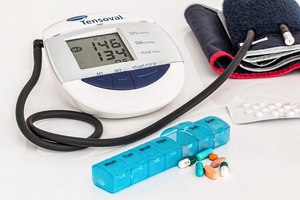

You watch your salt shaker. You try to eat more vegetables. You might even check food labels at the grocery store. Yet your blood pressure readings still creep up. If this sounds familiar, the problem might not be what you are eating—it might be how you are preparing it.
Many people focus on cutting out obvious junk food but overlook two specific kitchen habits that quietly sabotage their numbers. These mistakes are common, easy to miss, and directly impact how your body handles sodium and fluid balance. Let's look at what they are and how to fix them without overhauling your entire diet.
Mistake #1: Relying on pre-seasoned and marinated meats
It feels like a time-saver. You pick up chicken breasts that are already labeled "lemon pepper" or "teriyaki." You grab pre-marinated pork chops for a quick dinner. The problem? These products are often injected with a saline solution or coated in salt-heavy seasoning blends to preserve moisture and enhance flavor.
According to data from the USDA, a single 4-ounce serving of some pre-seasoned poultry can contain over 600 mg of sodium. That is nearly half of the American Heart Association's recommended daily limit of 1,500 mg for most adults, especially those managing hypertension. You have not even added a side dish yet.
What makes this tricky is that the meat does not taste overly salty. The salt is absorbed into the muscle tissue, so your taste buds do not register it the same way they would a salted fry. You eat it, think it is fine, and your blood vessels handle the load later.
Tip: Buy plain, fresh or frozen meats with no added broth or seasoning. Check the ingredients list for words like "saline," "broth," "sodium phosphate," or "flavoring." If any form of sodium appears in the first three ingredients, put it back.
What about dry rubs and spice blends?
Homemade spice blends are a great alternative—but only if you mix them yourself. Store-bought "salt-free" blends can still contain hidden sodium compounds like onion powder with added salt, or celery salt disguised as "celery powder."
Mistake #2: Using high-sodium cooking liquids (broths, stocks, and canned goods)
This one is surprisingly common. You might be diligent about not salting your pasta water or your rice, but you pour in a cup of vegetable broth or chicken stock to add flavor. That single cup can pack anywhere from 600 to 900 mg of sodium, depending on the brand.
People often use broth as a base for soups, stews, grains, or braised vegetables. They assume it is healthier than cream or butter, and they are right—except for the sodium load. A typical serving of soup made from a standard carton of broth can easily exceed 1,000 mg of sodium per bowl before you add anything else.
Canned tomatoes, beans, and vegetables are another layer of the same problem. They are convenient and nutritious, but the canning process often calls for added salt as a preservative. Even "no salt added" cans can contain trace amounts, but the bigger issue is that most people do not rinse their canned beans or vegetables before using them.
Rinsing canned beans for 30 seconds under cold water can reduce the sodium content by up to 40 percent. That is a meaningful difference that does not require any special ingredients or extra prep time.
Fact: The American Heart Association states that reducing sodium intake by just 1,000 mg per day can significantly lower blood pressure in people with hypertension.
How to fix your cooking liquids
- Switch to low-sodium or no-salt-added broth. Most major brands offer versions with 50-80% less sodium. The flavor difference is minimal when you build depth with herbs, garlic, and onion.
- Drain and rinse all canned legumes and vegetables. This one step cuts a significant amount of sodium without affecting texture or taste.
- Use water as a base, then flavor it yourself. Instead of buying broth, simmer water with a bay leaf, peppercorns, garlic cloves, and a piece of kombu seaweed. You get mineral-rich flavor without the sodium.
Tying it all together: The cumulative effect
Neither of these mistakes looks dramatic on its own. A pre-seasoned chicken breast here, a cup of broth there. But when you add them together across a full day of eating, you can easily consume an extra 1,500 to 2,000 mg of sodium without noticing. That is enough to raise blood pressure by several points in sodium-sensitive individuals.
The good news is that both mistakes are easy to reverse. You do not need to give up flavor or convenience. You just need to shift where that flavor comes from—away from the hidden sodium sources in your pantry and toward the herbs, spices, and fresh ingredients in your produce drawer.
Start with one change this week. Buy plain meat instead of marinated. Next week, switch your broth to a low-sodium version. Small adjustments add up to real, sustainable improvements in your blood pressure readings.