
Weight loss medications can be powerful tools, but they are not a set-it-and-forget-it solution. Your body changes over time, and so can its response to a prescription. What worked well at the start may eventually become less effective — or start causing side effects that signal the dose is no longer right for you.
Knowing when to speak with your healthcare provider about a possible dosage adjustment is important for both safety and results. Here are three common signs that your current dose may need a second look.
1. The Scale Has Stopped Moving — or You Are Gaining Weight Back
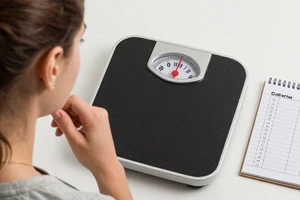
After an initial period of steady loss, many people hit a plateau. Some slowing is normal as your body adjusts to a lower weight and fewer calories. But if you have gone several weeks without any movement on the scale — especially if you are still following the same eating and activity habits — the medication may no longer be working at its current dose.
Some people also notice that they start regaining weight even while taking the medication. This can happen if the drug has lost its effectiveness or if your body has developed a tolerance. In either case, a dosage increase may help restore the effect, but only a doctor can determine whether that is safe based on your specific profile.
2. Side Effects Have Become Unmanageable
Common side effects of weight loss medications include nausea, diarrhea, constipation, headache, and fatigue. These are often worst when you first start a new prescription or after a dose increase — and they usually improve as your body gets used to the drug. But if side effects are persistent, severe, or getting worse, the dose may simply be too high for you.
This can be a tricky sign to interpret because some people assume they just need to push through. However, ongoing digestive distress or sleep disruption is not something to ignore. Your doctor may recommend dropping back to a lower dose or switching to a different formulation to reduce symptoms while still supporting weight loss.
3. You Are Losing Weight Too Quickly or Experiencing Malnutrition Symptoms
Rapid weight loss sounds like a win, but losing more than about two to three pounds per week consistently can lead to muscle loss, gallstones, electrolyte imbalances, and nutrient deficiencies — especially when appetite suppression is extreme. If you find yourself struggling to eat enough, feeling weak or dizzy, or noticing hair thinning or brittle nails, your dose may be too strong for your body's needs.
In this situation, a lower dose could help slow the rate of loss to a more sustainable pace while still keeping you on track. Your doctor may also want to run bloodwork to check for any nutritional gaps before making an adjustment.
When to Talk to Your Provider
Any discussion about changing your dose should happen with the prescribing clinician — never adjust your medication on your own. Keep a simple log of your weight trend, side effects, and how you feel overall. That information helps your doctor make a precise recommendation, whether it means a higher dose, a lower dose, or a completely different medication.
Dosage adjustments are a normal part of using weight loss medications. They are not a sign of failure. They are a sign that you and your provider are paying attention and fine-tuning your plan for the best possible outcome.