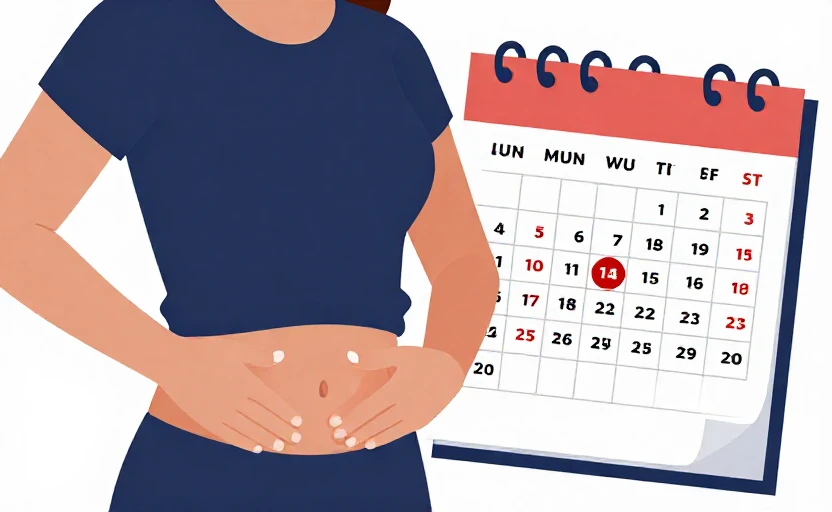
Period cramps are a common, if unwelcome, part of the menstrual experience for many. But sometimes, the pain moves beyond a familiar monthly ache into a signal that something else may be happening in your body. Learning to distinguish between typical discomfort and symptoms that warrant a conversation with a healthcare provider is a key part of understanding your own health.
While lifestyle factors like stress, sleep, and diet can certainly influence menstrual pain, certain patterns of cramping can point to underlying health conditions. Paying attention to the character, timing, and impact of your pain can provide valuable clues.
What does "normal" period pain feel like?
Typical menstrual cramps, known medically as primary dysmenorrhea, are caused by the release of hormone-like substances called prostaglandins that make the uterus contract to shed its lining. This pain is usually centered in the lower abdomen or back, can feel like a dull ache or throbbing sensation, and often begins just before or as your period starts. It typically lasts for one to three days and can often be managed with over-the-counter pain relievers, heat, and rest.
Three signs your cramps may indicate a health condition
When cramps deviate from this common pattern in specific ways, it may be time to explore other possibilities with a doctor. Here are three key signs to watch for.
1. The pain is debilitating and disrupts your daily life
While discomfort is common, pain that forces you to miss work, school, or social activities regularly is not considered standard. This includes pain so severe that over-the-counter medications provide little to no relief, or pain accompanied by nausea, vomiting, or dizziness. If your cramps consistently render you unable to participate in your normal routine, it’s a strong sign to seek medical evaluation.
Pain that consistently keeps you from your daily life is your body’s way of asking for attention.
2. The pain starts long before your period and lingers after
Typical cramps are closely tied to the menstrual flow itself. Pain that begins a week or more before your period arrives, or that continues for days after bleeding has ended, suggests a different mechanism. This pattern of extended pain, especially deep pelvic aching, is a hallmark symptom of conditions like endometriosis or adenomyosis, where tissue similar to the uterine lining grows outside the uterus or within its muscular wall.
3. You experience pain during intercourse, bowel movements, or urination
Menstrual cramps that are isolated to your period are one thing. But if you also experience sharp or deep pain during sex, when having a bowel movement (particularly around your period), or while urinating, it points to pain originating beyond the uterus. This kind of associated pelvic pain is a significant red flag for conditions like endometriosis, which can cause inflammation and adhesions on other pelvic organs.
What conditions could be behind severe cramps?
Persistent, severe cramping that fits the patterns above is often associated with specific diagnosable conditions. Understanding these can help frame your conversation with a healthcare provider.
- Endometriosis: A condition where tissue similar to the uterine lining grows outside the uterus, causing inflammation, scarring, and severe cyclical pain.
- Adenomyosis: A condition where this same type of tissue grows into the muscular wall of the uterus, leading to a heavy, painful period and a feeling of pelvic pressure.
- Uterine Fibroids: Non-cancerous growths in the uterine wall that can cause heavier bleeding and cramping, especially if they are large or located in certain areas.
- Pelvic Inflammatory Disease (PID): An infection of the reproductive organs, often caused by sexually transmitted bacteria, which can lead to chronic pelvic pain and cramping.
How to prepare for a conversation with your doctor
If you recognize these signs, the next step is to talk to a gynecologist or primary care provider. Being prepared can make the conversation more productive. Consider tracking your symptoms for a cycle or two, noting:
- The start and end dates of your period.
- The days and severity of pain (using a simple scale of 1-10).
- The specific location and type of pain (e.g., sharp, dull, throbbing).
- Any other symptoms like heavy bleeding, fatigue, or pain with sex or bowel movements.
- How the pain impacts your daily activities.
Bring these notes to your appointment. Be direct in describing how the pain affects you. Phrases like "The pain makes me miss work two days a month" or "I vomit from the pain on my first day" give your doctor concrete information to work with.
Remember, severe period pain is not a badge of endurance you must wear. It is a symptom. By identifying these key signs, you can take a proactive step toward finding both answers and relief.