
You climb into bed at a reasonable hour. You’ve done the wind-down routine—dim lights, herbal tea, maybe a few pages of a novel. And yet you wake up feeling as though you barely rested. If this sounds familiar, the issue may not be that you sleep, but how you sleep. Many people unknowingly rely on evening rituals that mask, rather than fix, underlying sleep quality problems.
Sleep quality is distinct from sleep quantity. You can spend eight hours in bed and still wake up depleted if your sleep is fragmented, shallow, or lacking sufficient deep and REM stages. The habits that feel soothing in the moment might actually be compensating for—or even causing—poor sleep architecture. Here are three signs that your evening routine is papering over a deeper issue.
1. You depend on alcohol to “unwind” before bed
A glass of wine or a nightcap can feel like a reliable off-switch for a racing mind. Alcohol is a central nervous system depressant, so it can indeed help you fall asleep faster. But that initial sedation comes at a cost. As your body metabolizes alcohol overnight, it fragments sleep—especially in the second half of the night. You may not remember waking up, but your brain is cycling more lightly and waking more frequently.
This is a classic case of masking. A few drinks can make it feel like you slept soundly, while your sleep tracker (or your own groggy morning brain) tells a different story. Over time, relying on alcohol to initiate sleep can reduce time spent in rapid eye movement (REM) and slow-wave sleep, the stages most responsible for mental restoration and physical repair.
What to consider: If you routinely need alcohol to fall asleep, your evening wind-down may need a non-pharmacological reset. Try moving happy hour earlier and keeping the two to three hours before bed alcohol-free. See if your morning alertness changes within a week.
2. You keep the TV or a podcast on all night
Background noise is one of the most common sleep crutches. Maybe it’s a familiar sitcom, a white noise machine, or a sleep story. There’s nothing inherently wrong with ambient sound—steady white or pink noise can actually buffer disruptive environmental sounds. But there is a difference between intentional sound masking and using audio to distract yourself from what your brain is doing.
If you cannot fall asleep in silence or without a narrative playing, that is a red flag. It often means your mind is avoiding something: racing thoughts, anxiety, or a hyperactive internal monologue. When you keep a podcast or show running, your brain stays in a state of light processing. Even if you don’t remember the content, your auditory cortex remains partially engaged. This reduces the depth of your sleep, especially during lighter stage 2 sleep and early REM.
How to tell if you are masking
Ask yourself this: if the podcast ended in the middle of the night, would you wake up? If you need the sound to keep playing continuously through your sleep cycles, that suggests your brain is depending on distraction. A better approach is to use a timer. Set your audio to turn off after 30–60 minutes. If you wake up when it stops, consider a short session of mindfulness or a breathing exercise to quiet the internal noise naturally.
3. You snack heavily close to bedtime
A small, nutrient-dense snack before bed can help stabilize blood sugar and promote sleep. But if you are eating a significant amount of food—especially carbohydrates or sugary foods—in the hour before sleep, you may be inadvertently disrupting your sleep quality. Digestive activity spikes body temperature and insulin, and can trigger acid reflux or blood sugar fluctuations that pull you out of deeper sleep stages.
Many people who snack late are not truly hungry; they are self-medicating stress or boredom. Carbohydrates can temporarily boost serotonin, which promotes a relaxed feeling. That can feel like a sleep aid. But the resulting metabolic activity often leads to lighter, more restless sleep and early morning awakenings when blood sugar drops. Again, the evening habit is covering up the real problem: daytime stress, irregular eating timing, or an unmet need for calming activities earlier in the evening.
A better evening snack pattern: If you need something, keep it small (under 200 calories) and balanced—think a few almonds, a small banana, or plain yogurt. Finish eating at least 90 minutes before you plan to sleep.
How to stop masking and start fixing sleep quality
Recognizing these patterns is the first step. The next is to replace compensatory behaviors with practices that genuinely support sleep architecture. That means shifting the focus from falling asleep faster to sleeping more deeply and continuously.
- Create a consistent sleep schedule. Going to bed and waking up at the same time (even on weekends) reinforces your circadian rhythm. This is one of the most effective interventions for sleep quality.
- Lower the mental stimulation. Replace a podcast or screen with a non-digital wind-down: stretching, journaling, or a warm bath. Letting your brain process the day without distraction builds the natural sleep pressure for deep rest.
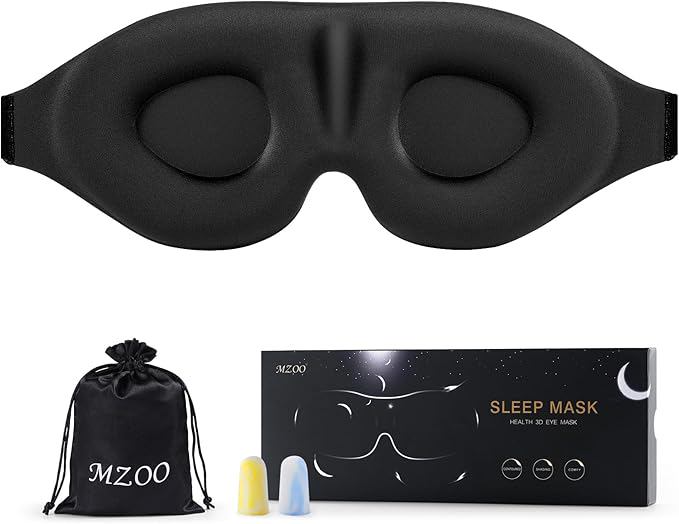
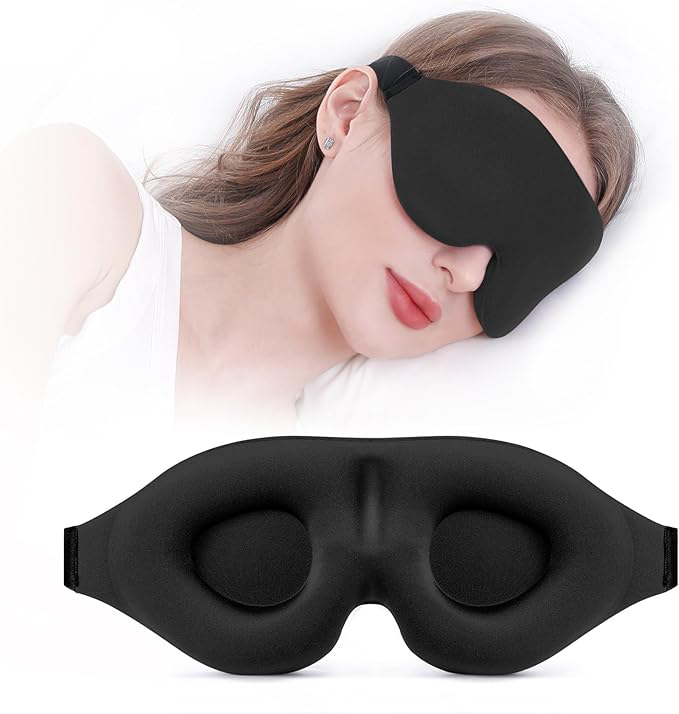
- Check your sleep environment. A cool room (around 65–68°F), complete darkness, and quiet are fundamental. If you need sound, use a steady white noise or nature sound that stays at the same level—no narratives.
- Address daytime stress. Poor sleep quality often originates in the waking hours. Daily movement, exposure to natural light in the morning, and stress management practices reduce the need for evening crutches.
If these adjustments do not improve how you feel after several weeks, consider discussing your sleep with a healthcare provider. A sleep study can uncover issues like sleep apnea or restless leg syndrome that no amount of evening habit changes can fix.