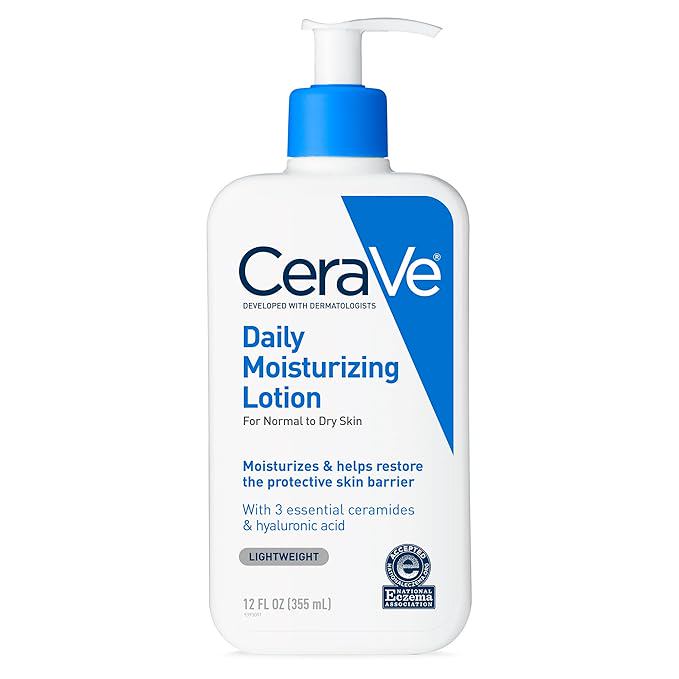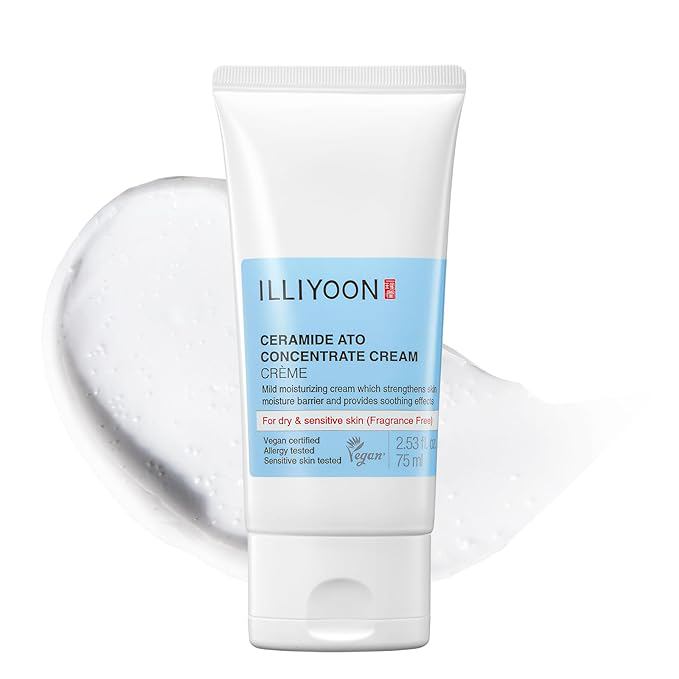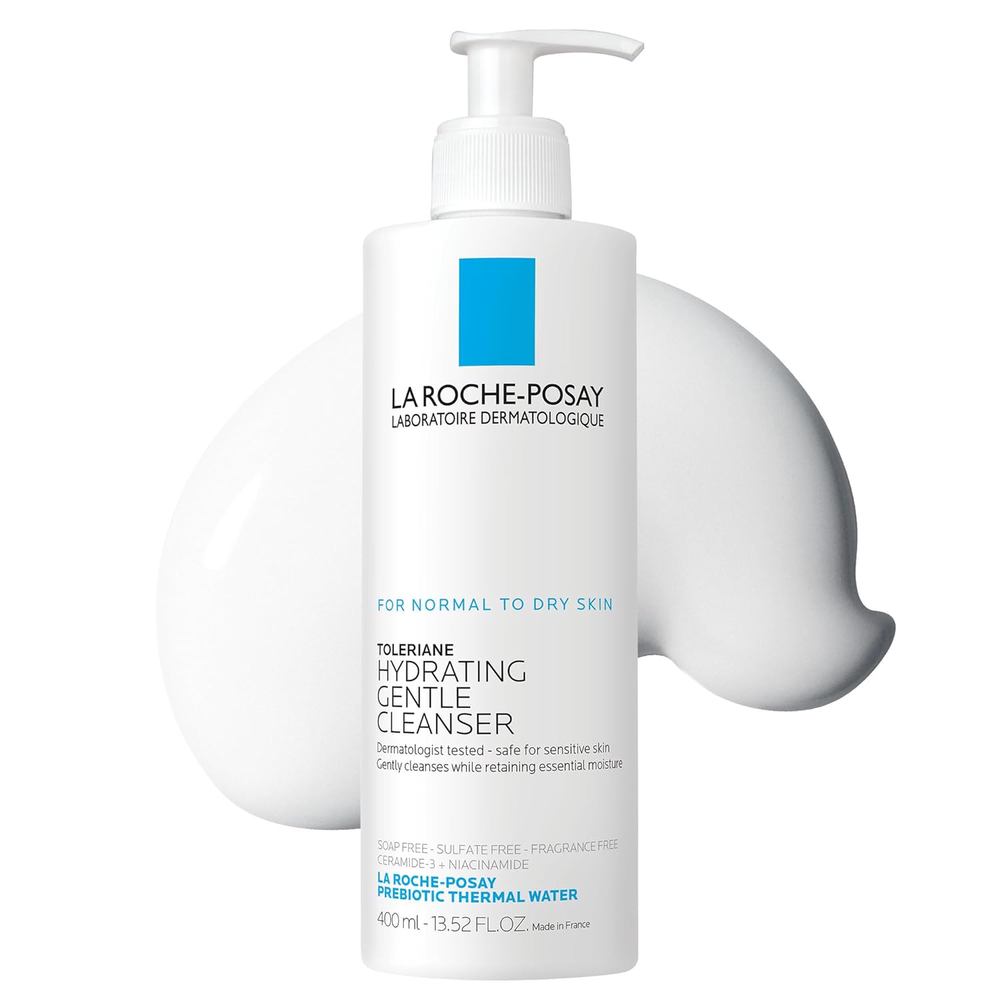

We all know the feeling: a greasy T-zone by mid-afternoon, a new whitehead before a big event. The instinct is to scrub, wash, and double-wash until the skin feels squeaky clean. But what if that very routine is what's causing the breakout cycle? Over-cleansing is one of the most common, and most overlooked, triggers for adult acne and irritation.
The skin has its own microbiome—a delicate ecosystem of good bacteria and protective oils that keep the barrier strong. When we attack it with cleansers multiple times a day, we strip away these defenses. The skin then panics, tries to overproduce oil, and inflammation sets in. Here are three unmistakable signs that you may be washing your face too often and accidentally making breakouts worse.
1. Your Skin Feels "Squeaky" or Tight After Cleansing
That tight, slightly rubbery feeling right after you wash your face is often mistaken for "clean." In reality, it is a distress signal. A healthy skin barrier should feel supple and comfortable, not taut. When you feel that squeaky sensation, it means the natural lipids and fatty acids that hold skin cells together have been stripped away.
This disruption is called a compromised moisture barrier. When the barrier is damaged, microscopic cracks form, allowing bacteria to enter and moisture to escape. The result? Increased redness, sensitivity, and—ironically—an increase in Propionibacterium acnes activity. If you have to rush for moisturizer immediately or your face feels like it might crack when you smile, you are likely over-washing and over-stripping your skin.
2. You Have Breakouts in Unusual Places
Classic hormonal acne tends to cluster along the jawline, chin, and lower cheeks. But if you are noticing pimples popping up on the forehead, the sides of the nose, or the center of the cheeks—especially dry patches that are simultaneously inflamed—you may be looking at irritation-based breakouts. Over-cleansing creates a hotbed for what dermatologists often call "cosmetic acne" or acne mechanica from over-treatment.
When the skin's pH is disrupted from too much washing (the skin's natural pH is mildly acidic, around 4.7 to 5.5), it becomes more susceptible to bacterial overgrowth. If your acne looks more like small, red, angry bumps rather than deep cysts, and if it appears in areas where you scrub the most, it is a strong sign that your cleanser is overstaying its welcome. You might also notice stinging or burning when applying serums or sunscreen, which points directly to a damaged barrier.
A simple rule: If your face feels worse an hour after washing than it did before you washed, your cleanser or your frequency is the problem.
3. Your Moisturizer Stops Working or Stings
Many people believe they have naturally "oily" skin because their face feels greasy a few hours after cleansing. In many cases, this is not true oiliness—it is reactive sebum production. When the protective lipid layer is repeatedly removed, the sebaceous glands go into overdrive to replace what was lost. This creates a sticky, greasy surface that looks shiny but is actually dehydrated under the surface.
Here is the tell: if your moisturizer used to feel soothing but now feels like it just sits on top of your face, or if it burns or tingles upon application, your barrier is likely damaged. Dry, dehydrated skin cannot properly process moisturizing ingredients. Instead of hydration, you get a film that clogs pores and combines with dead skin cells, forming the perfect environment for comedones. You might be piling on heavier creams trying to fix the dryness, but the root cause is simply that you are washing the good stuff away before it can work.
How Many Times Should You Actually Wash Your Face?
For most skin types, the sweet spot is twice a day—once in the morning to remove overnight oils and sweat, and once at night to remove makeup, sunscreen, and daily grime. However, if you are experiencing any of the signs above, consider a trial reduction: wash only at night with a gentle hydrating cleanser, and just splash with lukewarm water in the morning. A huge clue is how your skin responds. If your breakouts calm down within a week, you had been over-cleansing.
Choosing the Right Cleanser to Stop the Cycle
Not all cleansers are created equal. If you are prone to stripping, look for sulfate-free formulas (no sodium lauryl sulfate or sodium laureth sulfate), a low pH (around 5.0 to 6.0), and ingredients like glycerin, ceramides, or aloe. Micellar water or a gentle milk cleanser can be a good option for morning use. Avoid physical scrubs with particles like walnut shells or sugar, as they exacerbate micro-tears in a weakened barrier. Focus on maintaining the barrier, not nuking every surface. A calm, balanced face will naturally have fewer breakouts than a perfectly stripped, irritated one.