You finally started that prescription retinoid or powerful retinol serum you’ve heard so much about. You’re expecting the glow, the smoother texture, the eventual anti-aging payoff. But if your skin is screaming back at you, it might not be the dreaded “purging” phase—it could be a clear signal that your dosage is simply too strong for your skin type.
Retinoids work by accelerating cell turnover and boosting collagen, but they’re potent. When the dose outpaces your skin’s tolerance, the skin barrier takes the hit. Here are three unmistakable red flags that your retinoid concentration or frequency needs to be dialed back.
Red Flag #1: Persistent, Stinging Redness That Doesn’t Fade
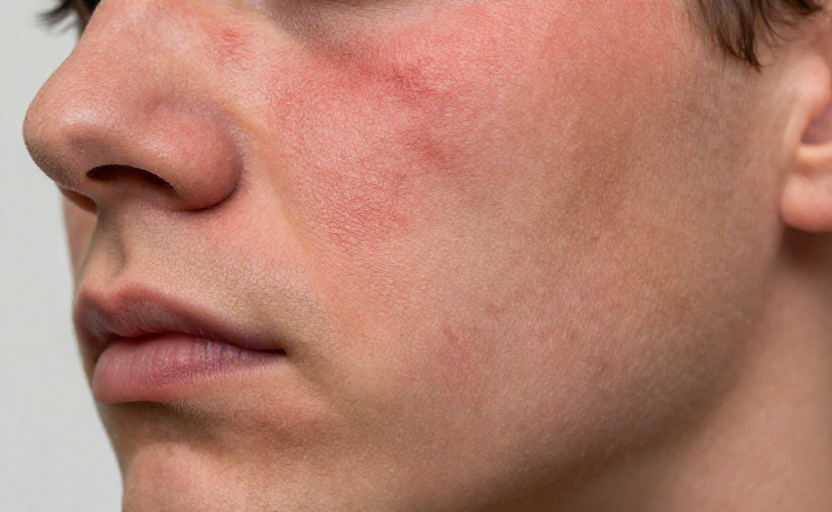
A little warmth or slight pinkness within the first week isn’t unusual. But if your skin stays angry, hot, and visibly red for more than a few hours after application—or if it worsens over two weeks—that’s not retinization. That’s irritation-driven inflammation.
Normal adaptation often presents as mild flaking without a burning sensation. In contrast, a dose that’s too strong causes the skin barrier to become compromised, allowing water to escape and irritants to penetrate. This triggers a feedback loop: the more irritated the skin, the less it can tolerate the retinoid, and the redder it gets.
If this sounds familiar. Take a week off completely. Then reintroduce the product at half the frequency (once every fourth night instead of every other night) and apply it over a moisturizer, not directly onto bare skin. This “sandwich technique” provides a buffer that can make a substantial difference.
Red Flag #2: Deep, Weeping Irritation or Raw Patches
A little light peeling around the nose or chin? Manageable. But raw, weepy, or crusting skin—especially along the smile lines, jawline, and under the eyes—is a serious red flag. These areas have thinner skin and fat layers, making them especially vulnerable to high-concentration retinoids.
This level of irritation is a sign that the retinoid concentration has overwhelmed the skin’s ability to repair itself overnight. Instead of healthy cell turnover, the skin sheds faster than new cells can replace them, leaving the underlying layers exposed and vulnerable to bacteria, environmental stress, and further irritation.
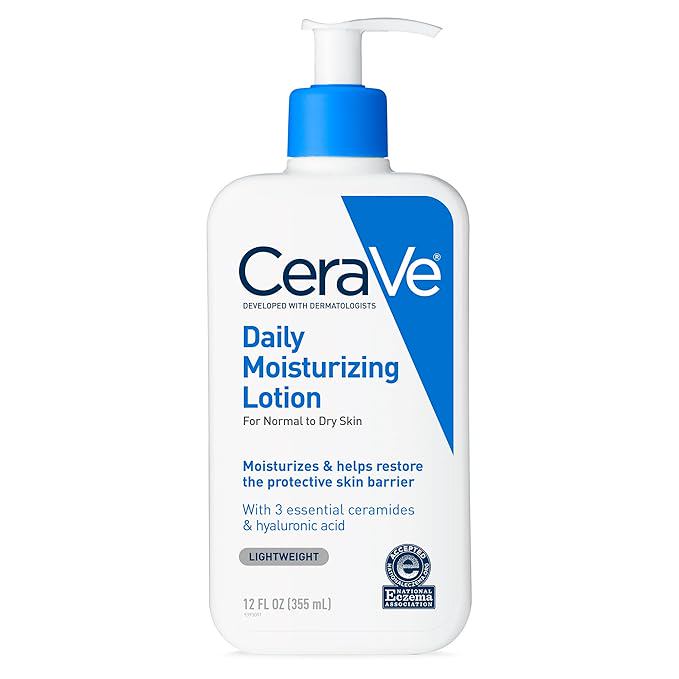
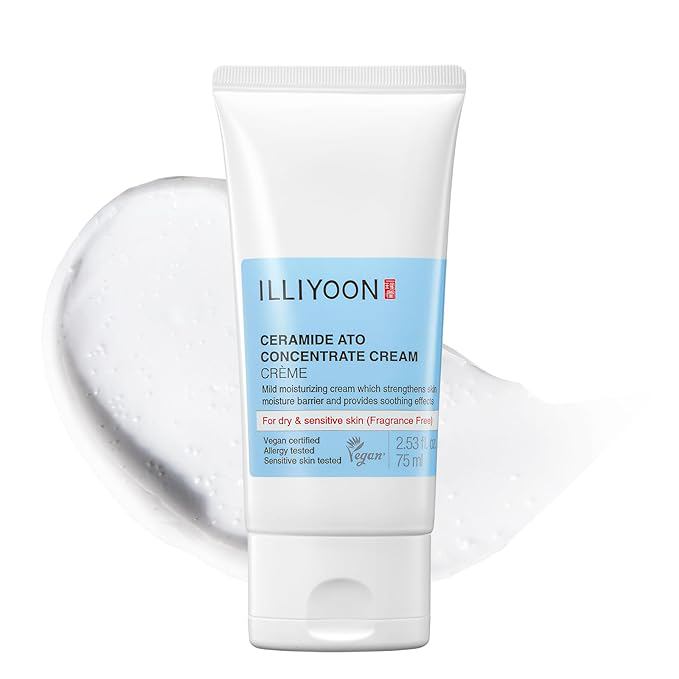
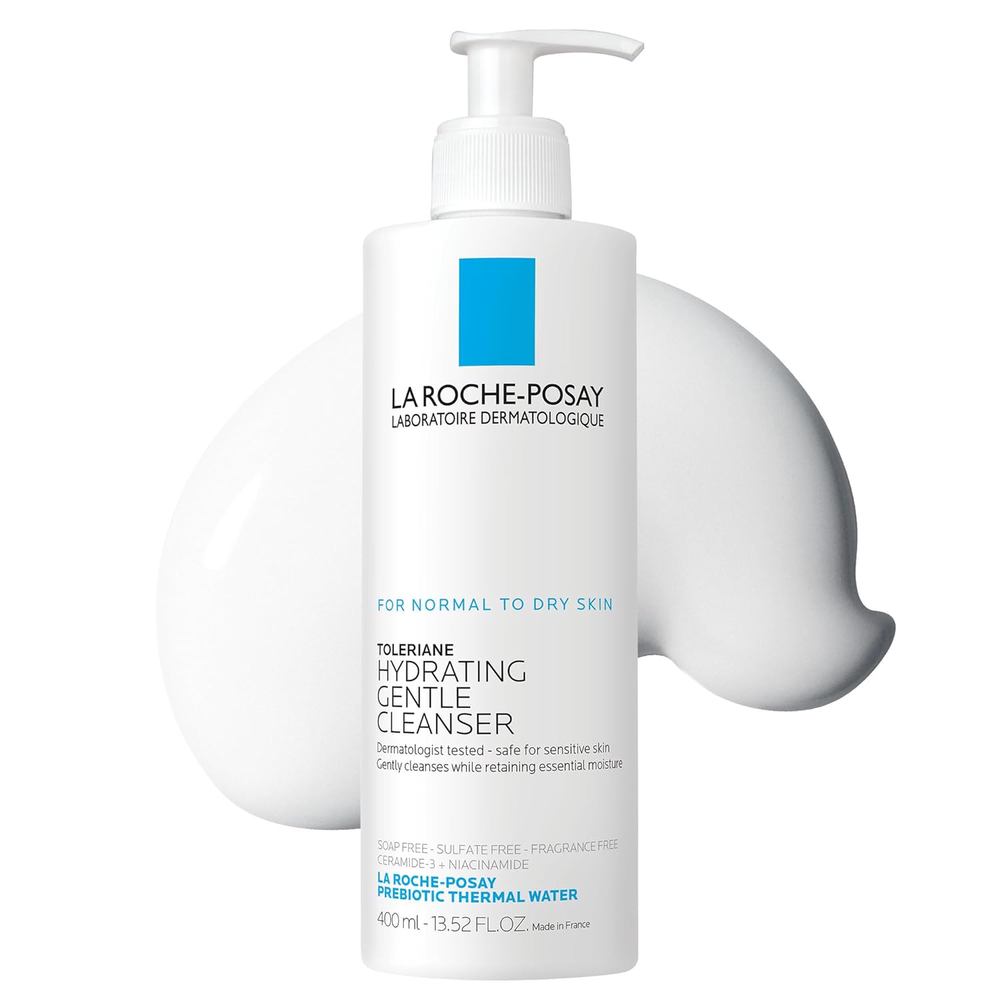
What to do. Stop all retinoid use immediately. Focus on barrier repair: a gentle cleanser, a ceramide-rich moisturizer, and a petrolatum-based ointment or a dedicated barrier balm for the raw spots. Do not resume the retinoid until the skin feels fully smooth and hydrated again—this usually takes 7 to 14 days. When you restart, drop to the lowest available concentration.
Red Flag #3: Acne Breakouts That Look Like a Chemical Burn
Retinoids are famous for the initial “purge” where existing clogged pores come to the surface. But true purging produces small whiteheads and blackheads in the areas you usually break out—and it typically resolves within 4 to 6 weeks.
If you are seeing deep, painful cysts, clusters of pustules across your cheeks or forehead where you didn’t previously break out, or breakouts accompanied by raw, shiny skin, you are looking at irritation acne. This is not a purge. You are overwhelming your skin’s immune response, causing inflammation that mimics breakouts but is actually a form of contact dermatitis.
How to tell the difference. Take a photo. If the distribution is uniform (like a mask) rather than following your usual breakout pattern, it’s likely irritation. And if the breakout comes with any stinging or burning when you apply your moisturizer? That seals it.
The fix. Scale back to once a week. Combine the retinoid with a skin-soothing ingredient like niacinamide (separate from the retinoid step) to help calm the reaction. If after three weeks the irritation cysts persist, the concentration itself is wrong for your skin—consider dropping to a lower strength product or switching from a prescription tretinoin to a gentler retinaldehyde formulation.
When the Dose Is Wrong, Less Is More
The philosophy of “more is better” breaks down entirely with retinoids. Higher dosage does not equal faster results; it often equals longer downtime and lasting barrier damage. Your skin type—whether oily, dry, sensitive, or melanin-rich—dictates what your barrier can handle at the start.
Melanated skin, for instance, can develop post-inflammatory hyperpigmentation from even mild irritation, so the red flag here is often dark spots rather than redness. Those with naturally dry or atopic skin need extra buffer layers even with low-concentration formulas. The goal is not to tolerate irritation but to find a dose that produces results without breaking down the skin’s resilience.
Listen closely to your skin. Those three red flags—persistent stinging red skin, raw weeping patches, and cystic irritation breakouts—are not signs of weakness. They are feedback. Adjust accordingly, and the slow, steady path to healthier skin begins.