The postpartum period brings a cascade of changes—sleepless nights, shifting hormones, and the monumental task of caring for a newborn. It is no surprise that many new parents experience mood swings, anxiety, or a persistent sense of being overwhelmed. While professional support is essential for serious mood disorders, nutrition can play a supporting role in stabilizing emotions day to day.
Smoothies are a practical choice for busy parents: they are quick to prepare, easy to digest, and can pack a surprising amount of targeted nutrition. When chosen thoughtfully, certain ingredients may help calm the nervous system, balance blood sugar, and support the brain chemistry that governs mood. Below are three evidence-backed ingredients to consider adding to your postpartum smoothie routine.
Why Nutrition Matters for Postpartum Mood
After childbirth, the body’s stores of key nutrients—such as iron, magnesium, and B vitamins—are often depleted. At the same time, sleep deprivation and stress increase the demand for these same nutrients. When the brain lacks the raw materials it needs to produce calming neurotransmitters like serotonin and GABA, mood can become more reactive. A nutrient-dense smoothie is a gentle, accessible way to replenish what is missing without adding more complexity to your day.
1. Spinach or Leafy Greens for Magnesium and Folate
Magnesium is sometimes called the “calming mineral” because of its role in regulating the nervous system. It helps activate the parasympathetic (rest-and-digest) response and can reduce the physical sensations of tension. Folate, a B vitamin abundant in leafy greens, is critical for producing dopamine and serotonin—two neurotransmitters that directly influence mood and motivation.
A handful of fresh spinach blends seamlessly into a fruit smoothie without altering the taste. Swiss chard or kale work well too, though kale has a stronger flavor. For the best postpartum benefit, aim for at least one cup of greens per smoothie. This simple addition provides a foundation for stable energy and a calmer mental state.
2. Plain Greek Yogurt or Kefir for Probiotics and Protein
The gut-brain connection is real: the bacteria living in your digestive tract produce a significant portion of your body’s serotonin. A smoothie made with plain Greek yogurt or kefir delivers live probiotics that support a healthy gut microbiome. Studies suggest that a diverse gut flora is linked to lower rates of anxiety and depression.
Additionally, these fermented dairy options provide protein, which helps stabilize blood sugar throughout the morning. Blood sugar crashes are notorious for triggering irritability, shakiness, and low mood. By pairing protein with the carbohydrates from fruit, you create a smoothie that sustains your energy for hours. If you avoid dairy, unsweetened coconut yogurt with live cultures or a small scoop of a high-quality probiotic powder can offer similar benefits.
Quick tip: Choose plain, unsweetened yogurt or kefir. Flavored versions often contain added sugar, which can worsen blood sugar swings.
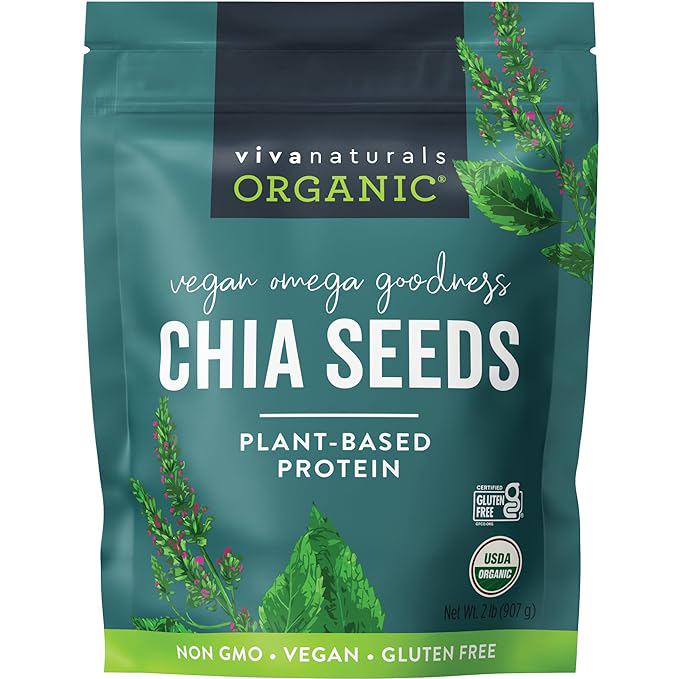
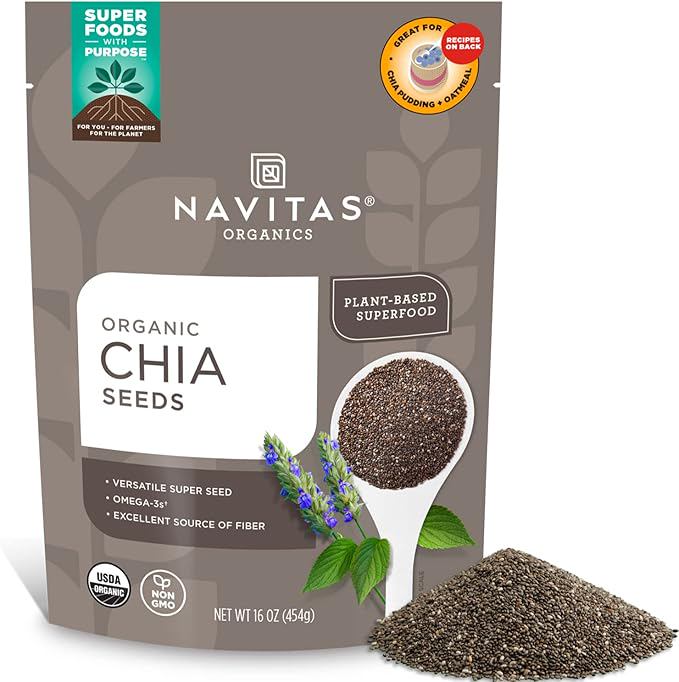
3. Chia Seeds or Flaxseeds for Omega-3s and Fiber
Omega-3 fatty acids, particularly DHA, are essential for brain health and have been studied for their role in reducing postpartum depression risk. The body uses DHA to build cell membranes in the brain and to manage inflammation, which is increasingly linked to mood disorders. While fatty fish is the richest dietary source, chia seeds and ground flaxseeds provide a plant-based form of omega-3s (ALA) that the body can partially convert.
These seeds are also loaded with fiber, which slows digestion and prevents rapid spikes and dips in blood sugar. A tablespoon of chia seeds thickens a smoothie naturally, giving it a satisfying texture. For even more omega-3s, you can add a teaspoon of flaxseed oil or a small handful of walnuts.
How to Build a Mood-Supporting Smoothie
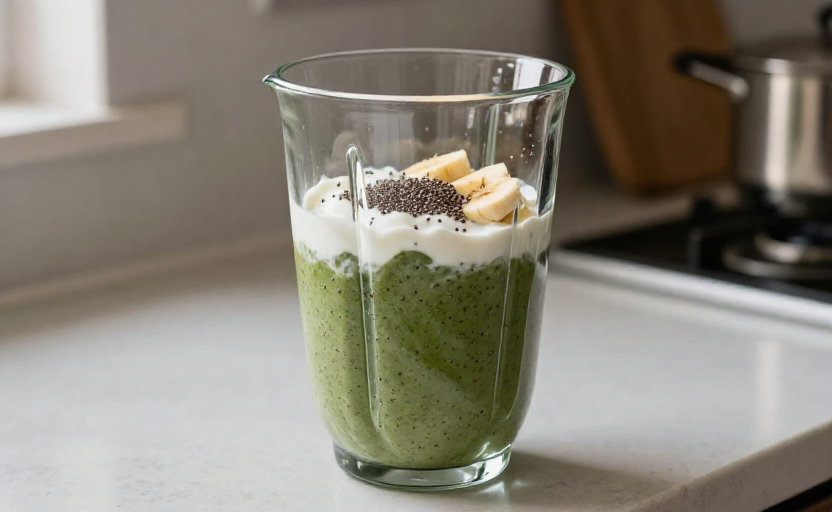
Creating a balanced postpartum smoothie does not require a lengthy recipe. Start with a liquid base—unsweetened almond milk, oat milk, or plain water—then add the following:
- One leafy green (spinach, kale, or chard)
- One protein source (Greek yogurt, kefir, or a scoop of unsweetened protein powder)
- One omega-3 source (chia seeds, ground flaxseeds, or walnuts)
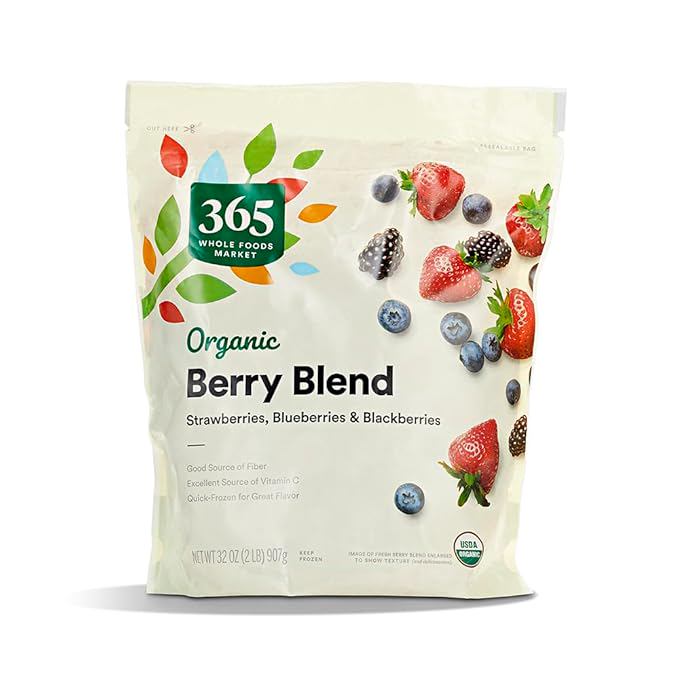
- One fruit for sweetness and vitamins (a banana, a handful of frozen berries, or half a mango)
Blend until smooth. If the texture is too thick, add more liquid a splash at a time. This template is flexible—you can rotate fruits and greens based on what you have on hand.
Important Considerations
Smoothies are a complement to, not a substitute for, professional medical care. If you are experiencing symptoms of postpartum depression or anxiety—such as persistent sadness, trouble bonding with your baby, or intrusive thoughts—please reach out to your healthcare provider. Nutrition can support your journey, but it works best alongside therapy, medication if needed, and a strong support system.
Also, note that some ingredients may interact with medications or health conditions. For example, spinach and other greens are high in vitamin K, which can affect blood thinners. Always check with your doctor or a registered dietitian before making significant dietary changes while postpartum or breastfeeding.