If you've ever noticed your skin flaring up right before or during your period, you're not alone. Hormonal acne is a common and frustrating cycle—and sometimes, the very products and habits we reach for to calm it end up making things worse. We spoke with dermatologists to break down the most common period acne skincare mistakes, so you can stop accidentally feeding the breakout cycle.
Mistake #1: Over-washing or using harsh, stripping cleansers
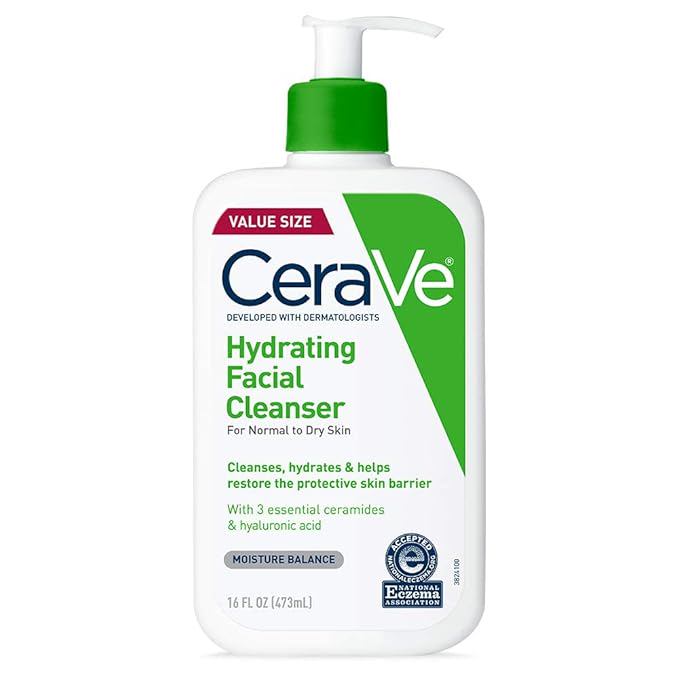
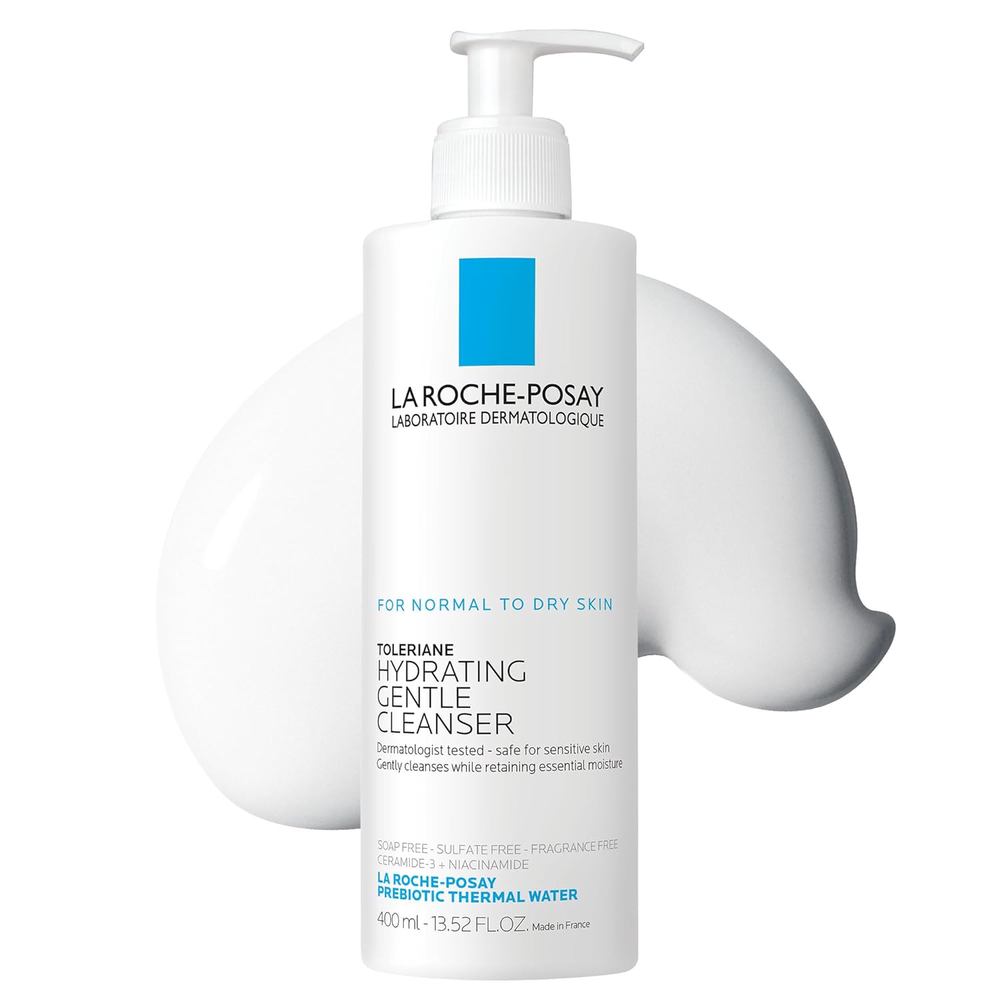
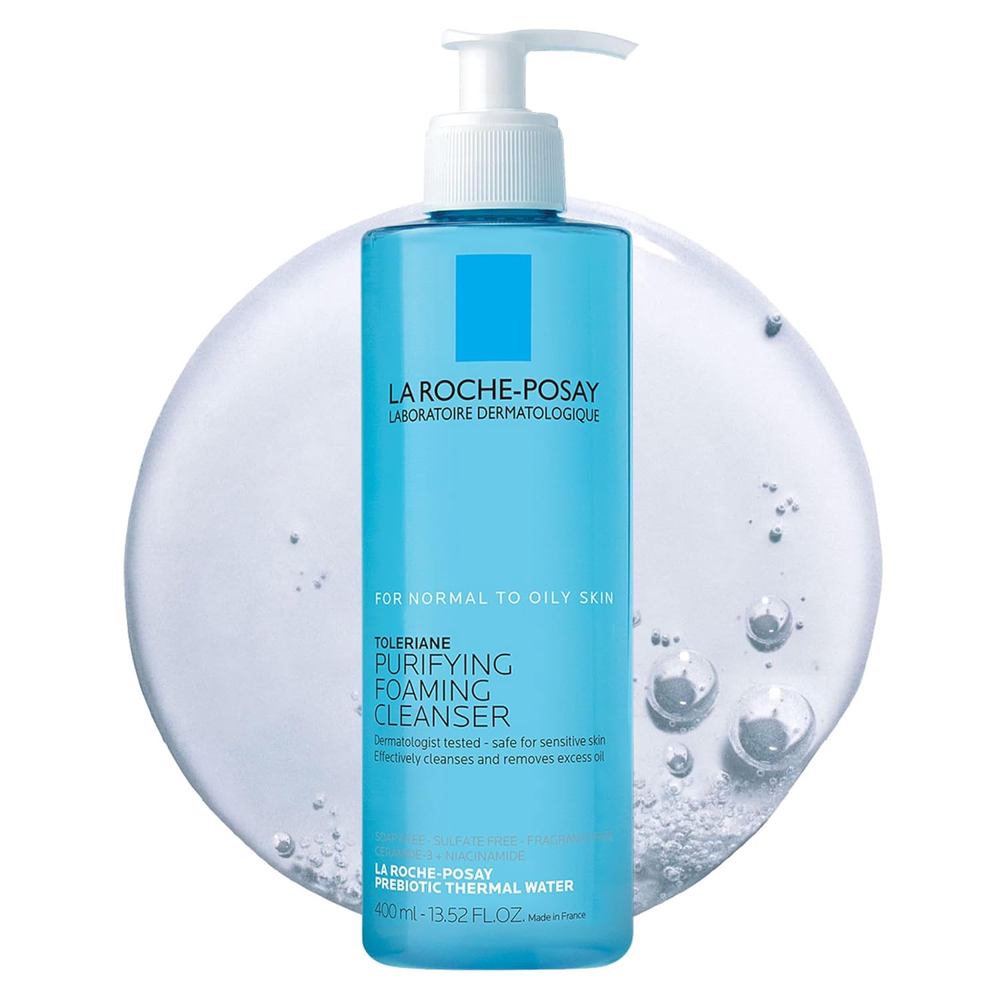
When that monthly breakout appears, it's tempting to scrub your face clean multiple times a day or reach for a powerful benzoyl peroxide wash every morning and night. But experts say this can backfire. Over-cleansing strips the skin of its natural protective barrier, leading to irritation, redness, and even more oil production as your skin tries to compensate. Instead, stick to a gentle, non-comedogenic cleanser twice a day—morning and night. If you use an active ingredient like salicylic acid, limit it to once a day and let your skin adjust.
Mistake #2: Skipping moisturizer because your skin feels oily
Another common pitfall is ditching moisturizer during your period, convinced that oily skin doesn't need hydration. Dermatologists explain that when you skip moisturizer, your skin's barrier weakens, triggering more sebum production and worsening breakouts. The key is choosing an oil-free, non-comedogenic moisturizer (look for ingredients like hyaluronic acid, niacinamide, or ceramides). Lightweight gel-based formulas work well for acne-prone skin and help maintain a healthy moisture barrier without clogging pores.
Mistake #3: Picking, popping, or over-exfoliating active pimples
It's almost reflex—you see a new pimple and want to get rid of it immediately. But popping pimples pushes bacteria deeper into the skin, leading to more inflammation, longer healing time, and potential scarring. Likewise, aggressive exfoliation with physical scrubs or strong chemical exfoliants during a breakout can damage skin and spread bacteria. Instead, use a targeted spot treatment containing benzoyl peroxide or salicylic acid, and let it work. Resist the urge to pick.
A simple rule: treat your breakout skin as gently as you would a sunburn. Harshness invites more problems.
How to adjust your routine for your cycle
Many dermatologists recommend syncing your skincare routine with your menstrual cycle. In the week before your period (when progesterone peaks and oil production increases), swap to a slightly more active regimen with salicylic acid or niacinamide to help keep pores clear. During your period, focus on barrier repair—gentle cleansing, moisturizing, and soothing ingredients like aloe or centella asiatica. After your period, you can gradually reintroduce stronger actives if needed.
Final thoughts from experts
Period acne is largely driven by hormonal shifts that are beyond our control. But by avoiding these three common mistakes—over-cleansing, skipping moisturizer, and picking at pimples—you can help your skin heal faster and keep breakouts from spiraling. If over-the-counter products aren't helping after several months, or if your acne is severe, a board-certified dermatologist can prescribe treatments like spironolactone or oral contraceptives that address the hormonal root. Be patient with your skin; consistency, not aggression, is what works in the long run.