For many women, perimenopause brings an unwelcome companion: the sudden, intense wave of heat that seems to come from nowhere. Hot flashes and night sweats are among the most common—and disruptive—symptoms of this transition. While hormone therapy and medications are available, many women are also looking for natural, everyday ways to find relief. What you eat can play a surprising role in how your body manages temperature. Certain foods contain nutrients and compounds that may help stabilize hormones, support blood sugar, and calm the nervous system, all of which can influence the frequency and intensity of hot flashes.
Here are three foods worth adding to your plate if you are navigating perimenopause and hoping to turn down the internal thermostat.
1. Soy and Other Legumes
Soybeans, edamame, tofu, and tempeh are rich in isoflavones, a type of phytoestrogen. These plant compounds are structurally similar to the estrogen your body produces, which naturally declines during perimenopause. The idea is that phytoestrogens can gently bind to estrogen receptors in your body, potentially helping to modulate the hormonal shifts that trigger hot flashes.
Research on soy and hot flash relief has been mixed, but several studies show that women who consume higher amounts of soy isoflavones—especially in traditional forms like tofu and miso rather than heavily processed soy powders—tend to report fewer and less severe hot flashes. A 2021 review in the journal Menopause found that a daily intake of around 54 mg of soy isoflavones reduced hot flash frequency by about 26 percent compared to a placebo.
If soy isn't your thing, other legumes like chickpeas and lentils also contain modest amounts of phytoestrogens, along with fiber that helps stabilize blood sugar—another factor that can influence hot flash triggers.
2. Flaxseeds
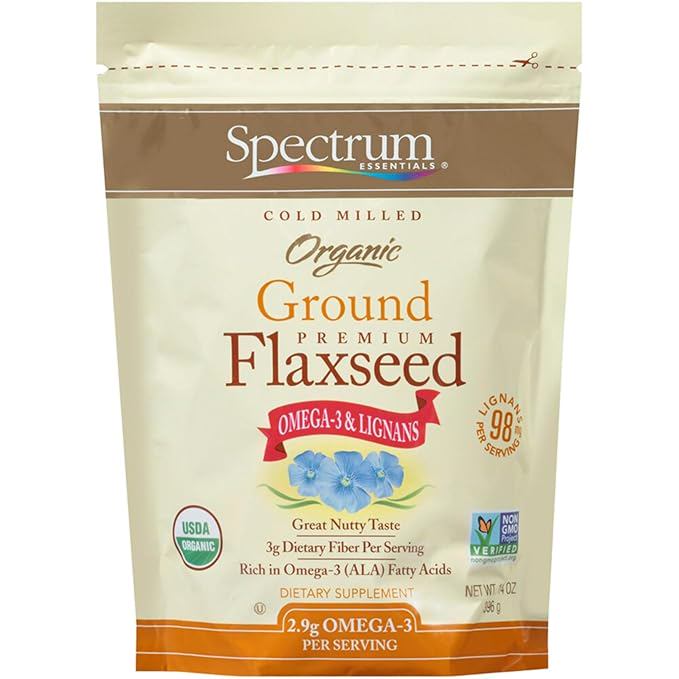
Flaxseeds are tiny nutritional powerhouses, packed with lignans—another class of phytoestrogens—and omega-3 fatty acids. The lignans in flaxseeds may help balance hormone levels by gently influencing estrogen metabolism. Unlike soy, flaxseeds appear to have a mild anti-estrogenic effect in some tissues, which can be helpful when your body's own estrogen levels are fluctuating unpredictably.
A small but compelling study published in Menopause in 2007 showed that women who added 40 grams (about 4 tablespoons) of ground flaxseed to their daily diet for six weeks experienced a significant reduction in hot flash severity and overall symptom scores. More recent research continues to support flaxseed as a useful tool for managing vasomotor symptoms, particularly when consumed consistently over several weeks.
Tip: Grind flaxseeds just before using them—whole seeds often pass through the body undigested—and sprinkle them over oatmeal, yogurt, or smoothies.
3. Fatty Fish
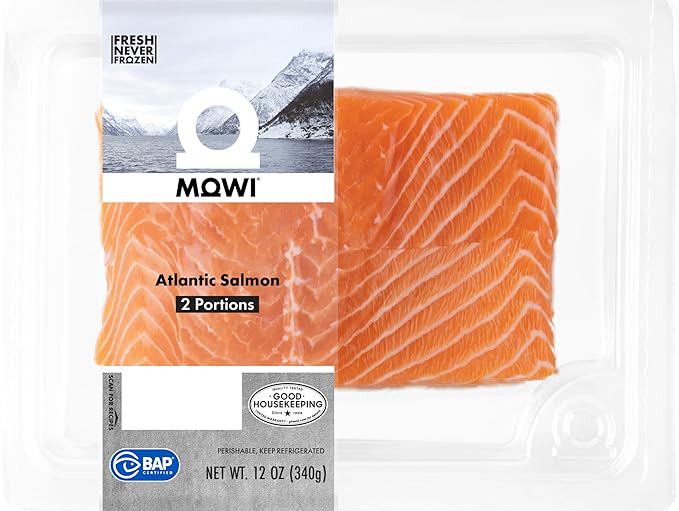
Salmon, mackerel, sardines, and trout are rich in the long-chain omega-3 fatty acids EPA and DHA. These healthy fats are essential for brain health and help control inflammation throughout the body. For perimenopausal women, omega-3s may offer a dual benefit: they can help regulate the body's temperature control center in the hypothalamus and may also improve mood and sleep quality, which are often disrupted by night sweats.
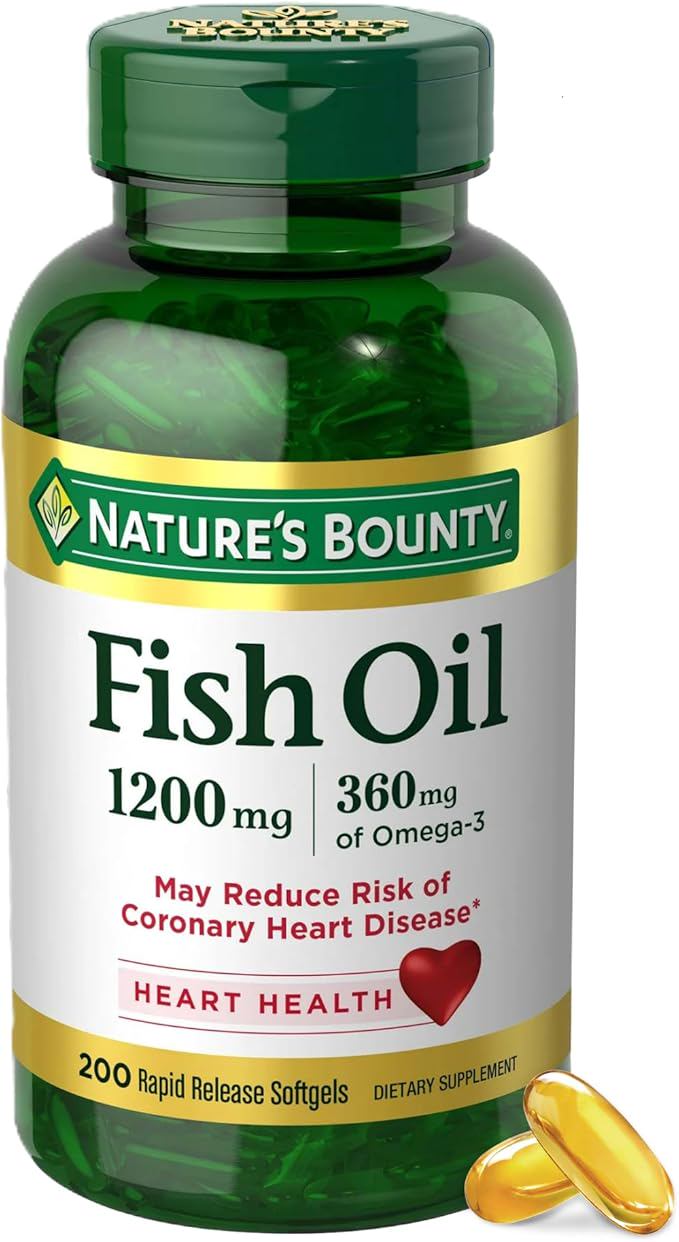
Several observational studies link higher dietary intake of omega-3s with fewer hot flashes and night sweats. A 2014 randomized trial found that women who took fish oil supplements (providing 1.2 grams of EPA and DHA per day) experienced a significant decrease in hot flash frequency and severity compared to a placebo group. While supplements are an option, getting omega-3s from food sources also provides protein, vitamin D, and other nutrients that support overall health during this transition.
Making These Foods Work for You
Adding these foods to your diet is a simple first step, but consistency matters. Aim for at least two or three servings of soy or legumes per week, a tablespoon of ground flaxseed most days, and fatty fish twice a week. These foods work best as part of a broader perimenopause-friendly eating pattern that emphasizes whole grains, plenty of vegetables, and limiting sugar and alcohol—both known triggers for hot flashes.
Every woman's body responds differently, so pay attention to how you feel. Keep a simple journal tracking your hot flash frequency and what you eat for a couple of weeks. This can help you identify which foods seem to help you most.