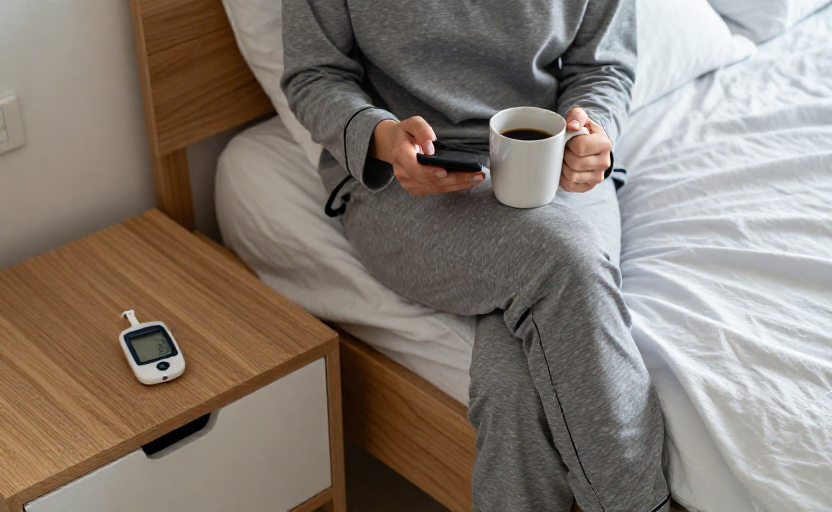
You check your blood sugar first thing, and the number is already higher than you expected. It's frustrating, especially when you feel like you're doing everything right. Before you second-guess your entire meal plan or medication, take a close look at what happens in the first hour after you wake up. For many people, three specific morning habits are quietly working against stable glucose readings.
These patterns are common, and the good news is that each one is fixable. Let's walk through what might be throwing off your numbers and how to reset your morning routine for steadier energy and better metabolic control.
Skipping Breakfast or Eating It Too Late
It sounds counterintuitive, but delaying your first meal can actually drive your blood sugar up. When you wake up, your liver has already been releasing stored glucose to give you energy—this is a natural part of the body's circadian rhythm. If you skip breakfast or push it to mid-morning, that circulating glucose has nothing to balance it, and your blood sugar can climb.
- What happens: Without food, the stress hormone cortisol stays elevated, which signals your liver to release even more glucose.
- Why it matters: This can lead to a higher fasting reading than you'd expect, even if your dinner was well balanced.
- The fix: Aim to eat a balanced breakfast within an hour of waking. Prioritize protein, healthy fat, and fiber. Think eggs with sautéed greens, Greek yogurt with berries, or a smoothie with protein powder and flaxseed meal.
One small caveat: some people do well with intermittent fasting under medical supervision. But for many with prediabetes or type 2 diabetes, the early morning meal helps buffer that natural glucose surge.
That First Cup of Coffee (Especially Black)
If your morning ritual involves coffee before anything else, you're not alone. But caffeine can be a hidden trigger for blood sugar spikes. For some, the effect is immediate; for others, it builds throughout the morning.
The caffeine in coffee can temporarily make your cells less sensitive to insulin, prompting your liver to release extra glucose into the bloodstream.
If you like your coffee black, the effect may be even more pronounced because there's no fat or protein to slow the absorption. The result: you sip your coffee, feel fine, but your glucometer shows a number that doesn't match how you feel.
- Try this: Have your coffee with a meal that contains protein and fat, or wait until after you've eaten something substantial.
- Another approach: Switch to half-caff or decaf for a few days and compare your morning readings.
Everyone responds differently. The key is to test your blood sugar before and 60 minutes after your usual coffee—with and without food—to see how your body reacts.
Rushing Into a Stressful Start
The way you ease into your day matters more than most people realize. If the first thing you do is check your phone, read stressful news, or argue with a family member, your body interprets this as a threat. Cortisol and adrenaline surge, and your liver obliges by releasing glucose for a burst of energy—even if you're just sitting on the couch.
This is sometimes called the dawn phenomenon amplified by stress. It can make your morning reading look like you ate a bowl of cereal when you haven't had a bite.
One simple habit shift can change the trajectory of your entire day:
- Wait 15 minutes before checking email, social media, or the news.
- Do one calming thing – deep breathing, gentle stretching, drinking water slowly, listening to a short meditation.
- Eat your meal before you engage with anything stressful.
This small buffer allows your nervous system to stay in a rest-and-digest state rather than a fight-or-flight state. Over time, it can help flatten that morning glucose spike.
Putting It All Together: A Blood Sugar-Friendly Morning Routine
A good morning doesn't have to be complicated. The goal is to support your body's natural rhythms rather than fight them. Here's what a steady morning might look like:
- Wake up and drink a glass of water first. Overnight dehydration can slightly concentrate blood glucose.
- Do something grounding for five minutes. No screens, just breath or a gentle shoulder roll.
- Eat breakfast within an hour. Include protein, some fat, and a fiber-rich carbohydrate source.
- Have your coffee alongside breakfast, not alone.
If one of these habits resonates with you, start with that one. Don't try to change everything at once. Track your fasting glucose for a week, make one adjustment, and track for another week. Even a small shift—like eating breakfast a little earlier—can make a meaningful difference.
Managing blood sugar is a long game, and the mornings set the tone. A few intentional tweaks now can bring more steady energy, better lab values, and a calmer start to every day.