
You already know that the first thing you put in your body sets the tone for the rest of the day. But if your go-to morning drink is just coffee or nothing at all, you might be missing a chance to support your vascular health early in the morning. Circulation is quietly at work in every single cell, delivering oxygen and nutrients while clearing waste. When blood flow is sluggish, you can notice it in cold hands and feet, afternoon fatigue, or even occasional brain fog.
Nutritionists tend to look for morning beverages that do more than just hydrate. They aim for compounds that naturally support nitric oxide production, reduce inflammation, or help blood vessels relax. The following three drinks, backed by both food science and clinical experience, are smart additions to a morning routine when circulation is a priority.
Beetroot juice: the nitric oxide booster
Deep red beetroot is one of the most researched foods for circulation. Its power comes from dietary nitrates, which the body converts into nitric oxide—a molecule that signals blood vessels to widen. That widening effect, called vasodilation, lowers blood pressure and improves oxygen delivery to muscles and tissues.
A 2024 review in Nutrients confirmed that nitrate-rich beetroot juice consistently improves endothelial function and reduces systolic blood pressure within hours of ingestion. Unlike synthetic nitrates used in some medications, the nitrates in beets are absorbed naturally and work gently.
For a morning drink, you can use fresh beetroot juice (ideally raw or cold-pressed to preserve the nitrates) or a high-quality unsweetened powder stirred into water. Start with about four to six ounces. Because beetroot is also rich in betalains—powerful antioxidants—this drink pulls double duty by lowering oxidative stress in the arteries.
Tip: If you are prone to oxalate-containing kidney stones, talk to your healthcare provider before drinking beet juice regularly. Otherwise, this ruby-red tonic is one of the most direct ways to support circulation first thing in the morning.
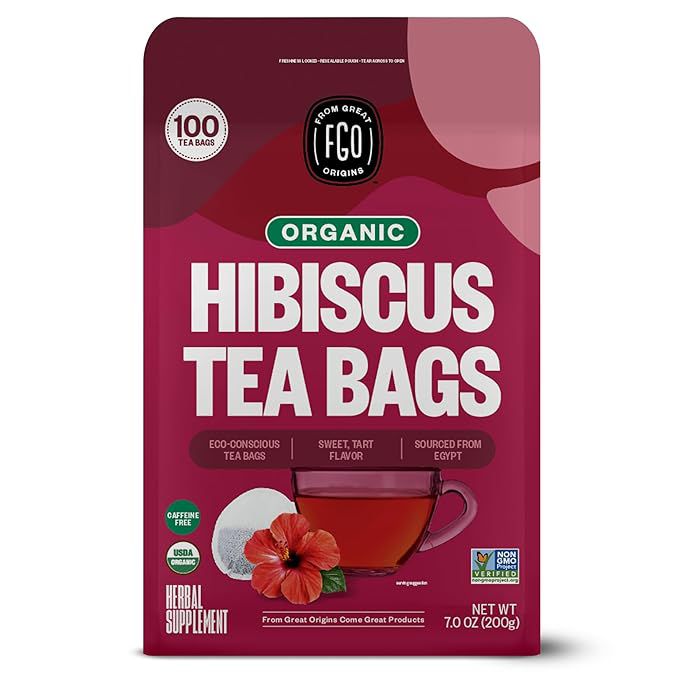
Hibiscus tea: the gentle vasodilator
When brewed hot or iced, hibiscus tea delivers a tart berry-like flavor alongside a compound called anthocyanin. These plant pigments are responsible for the deep magenta color and have a relaxing effect on blood vessel walls. The result is a mild but measurable drop in both systolic and diastolic blood pressure, which eases the workload on the heart and improves circulation throughout the body.
Registered dietitians sometimes recommend unsweetened hibiscus tea as an alternative to caffeinated morning drinks because it provides cardiovascular benefit without raising heart rate. A meta-analysis in the Journal of Hypertension found that daily consumption of hibiscus tea reduced blood pressure significantly in adults with prehypertension and mild hypertension.
To incorporate it into your morning, brew one to two teaspoons of dried hibiscus petals in hot water for five to seven minutes. Let it cool slightly, or pour it over ice if the weather is warm. Avoid adding sugar, which can blunt the vascular benefits. If you prefer a blend, look for teas that combine hibiscus with rosehip or lemon verbena—not with black tea, as the caffeine can counteract some of the relaxing effects.
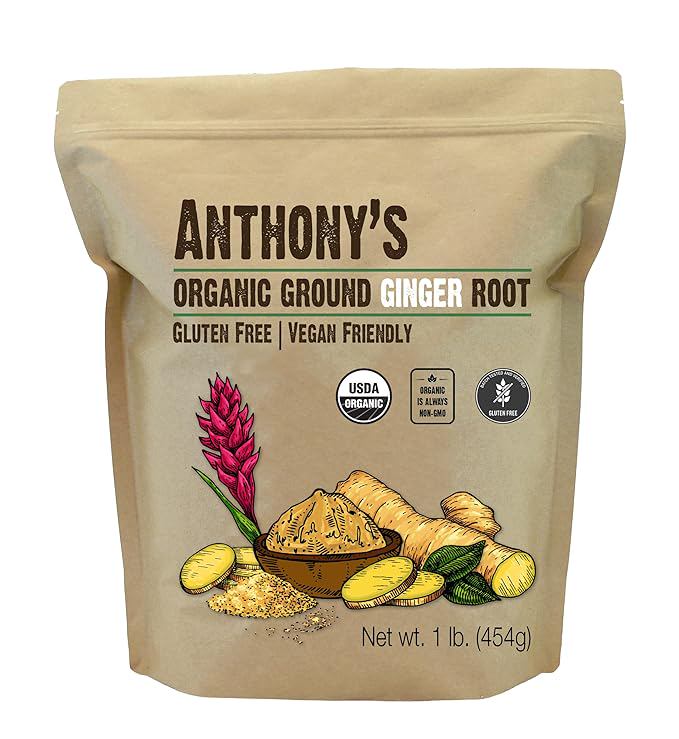
Warm water with fresh lemon and ginger
This simple combination seems almost too basic to be effective, but nutritionists routinely recommend it for a reason. Warm water itself improves circulation by helping the body maintain proper blood viscosity—water thins the blood slightly, making it easier for the heart to pump. Dehydration, even mild, can thicken blood and force the circulatory system to work harder.
Lemon contributes vitamin C, which is a cofactor for collagen synthesis. Collagen is essential for maintaining the structural integrity of artery walls. Over time, adequate vitamin C intake reduces arterial stiffness, a direct contributor to poor circulation.
Ginger adds the anti-inflammatory punch. The active compound gingerol inhibits cyclooxygenase (COX) enzymes, reducing systemic inflammation that can constrict blood vessels. A 2021 trial in Phytotherapy Research found that daily ginger supplementation improved blood flow and reduced markers of vascular inflammation in adults with coronary artery disease.
To make it, squeeze half a fresh lemon into eight to ten ounces of warm (not boiling) water, then add three to five thin slices of fresh ginger root (no need to peel). Let it steep for five minutes before drinking. You can sip it slowly over twenty minutes—there is no need to chug it.
How to make these drinks part of a sustainable routine
The best morning drink is the one you actually drink consistently. If beetroot juice is not realistic for your schedule, start with the lemon-ginger water—it requires just two ingredients you may already have. Hibiscus tea can be prepped the night before as a cold brew and stored in the fridge. The key is to avoid adding sweeteners, syrups, or creamers that could spike insulin, as high blood sugar damages circulation over time.
Remember that no single beverage replaces the need for regular movement, balanced nutrition, or proper hydration throughout the day. These morning drinks function best as a supportive layer within an overall healthy lifestyle. If you have a diagnosed circulatory condition or take blood-pressure medication, check with your doctor before adding beet juice or hibiscus tea to your daily regimen, as both can enhance the effect of prescription medications.
Nutritionists agree that the morning window offers a unique opportunity to support circulation without much effort. By choosing a drink that hydrates, provides natural vasodilators, and reduces inflammation, you give your cardiovascular system a head start before the demands of the day begin. Start with one of the three options, test how you feel after a week, and adjust as needed.