Intimate dryness can be more than just a passing discomfort; it’s often a signal from your body that something in your care routine is out of balance. While many factors contribute to vaginal health, the daily habits we don’t think twice about can sometimes be the primary culprits. The goal of intimate care isn’t to aggressively sanitize, but to gently support the body’s own delicate ecosystem. When we disrupt that balance, dryness, irritation, and discomfort can follow.
Let’s explore three common, well-intentioned mistakes that may inadvertently strip away natural moisture and compromise your comfort.
Using harsh soaps or cleansers
The vagina is a self-cleaning organ, maintaining a slightly acidic pH to keep unhealthy bacteria in check. Its natural secretions are designed to clean and lubricate. When we introduce harsh, scented soaps, body washes, or even some marketed “feminine washes,” we risk stripping away this protective moisture barrier and altering the pH.
Think of the vulvar skin as more delicate than the skin on your arms. Products with strong fragrances, dyes, or sulfates can be particularly drying and irritating.
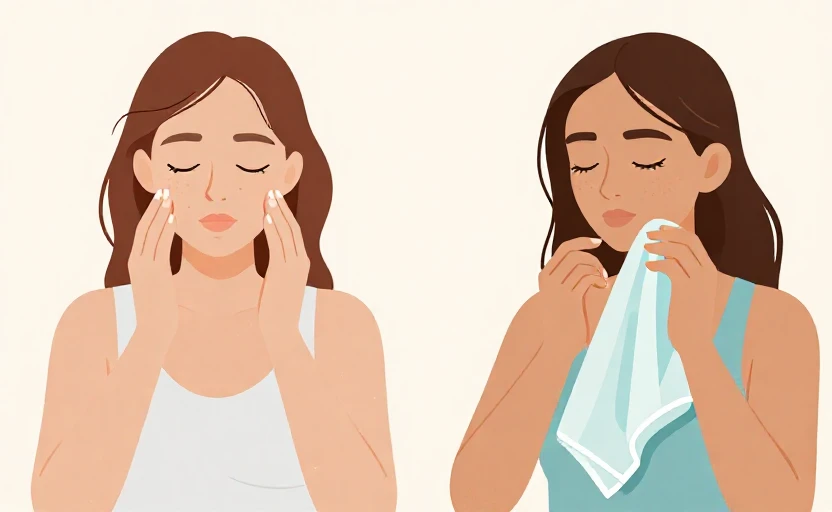
Your intimate area generally only needs warm water for cleansing. If you prefer a cleanser, look for one labeled pH-balanced, fragrance-free, and designed for sensitive skin.
Over-washing or douching
In an effort to feel fresh, it’s easy to believe that more cleaning is better. However, over-washing—especially with vigorous scrubbing—can physically remove the protective oils and moisture from the external skin. Douching, or rinsing out the vaginal canal, is particularly disruptive.
Douching doesn’t just remove moisture; it flushes out the beneficial bacteria (lactobacilli) that are crucial for maintaining a healthy acidic environment and natural lubrication. This creates a vacuum that can lead to dryness and actually make you more susceptible to infections, which often come with further irritation.
The body’s natural lubrication is part of its defense system. Constantly washing it away tells your body to produce more, potentially leading to an imbalance. Gentle, external cleansing once a day, or after sweating heavily, is typically sufficient.
Wearing non-breathable fabrics regularly
What you wear matters more than you might think. Synthetic fabrics like nylon, polyester, or spandex in tight-fitting underwear, leggings, or shapewear trap heat and moisture. This creates a warm, damp environment—perfect for yeast and bacteria to thrive, which can lead to infections and irritation.
But this environment also affects your skin’s health. Constant dampness can macerate the skin, making it more prone to chafing and dryness when the moisture evaporates. It’s a cycle of wetness and dryness that disrupts the skin’s natural balance.
Opting for breathable, natural fabrics like cotton in your underwear allows for air circulation, helping to keep the area dry and at a stable temperature. This simple switch supports the skin’s ability to maintain its own healthy moisture levels.
Supporting your body’s natural balance
If you’re experiencing persistent dryness, reviewing these daily habits is a powerful first step. Lasting change often comes from consistent, gentle choices rather than quick fixes. Alongside avoiding these common mistakes, consider how overall hydration and stress management play a role in your intimate health.
Listen to your body. If dryness, itching, or discomfort continues despite making these adjustments, it’s a clear sign to consult a healthcare provider. They can help rule out other causes and guide you toward solutions that restore your comfort and confidence.