For anyone managing diabetes, carb counting feels like a straightforward math problem. You add up grams, dose accordingly, and expect a predictable blood sugar result. But anyone who has lived with the condition knows that the math doesn't always work. You eat exactly the same meal two days in a row, yet your glucose curve looks completely different.
The issue is rarely the number on the package. More often, it is the hidden assumptions we bring to the counting process. Three specific habits can turn a careful carb tally into a guessing game—and they are easy to overlook because they feel like common sense.
Guesstimating portion sizes instead of weighing or measuring
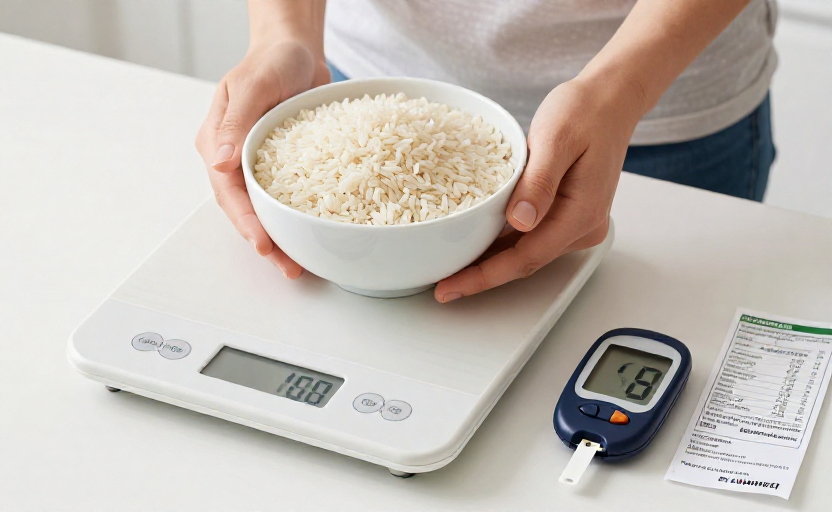
This is the most universal trap. It is also the one that feels least like a trap because we do it every meal. You look at a bowl of pasta and say, That looks like one cup. But look again tomorrow with fresh eyes: the same bowl could be 1.2 cups or 0.8 cups, and the difference can mean 15 to 20 grams of carbs you did not account for.
Research consistently shows that most people underestimate portions by 20 to 40 percent. For dense foods—cereal, rice, granola—even a slightly heaped scoop throws the math off. One study found that people with type 1 diabetes were only accurate within 15 grams of their estimate about half the time.
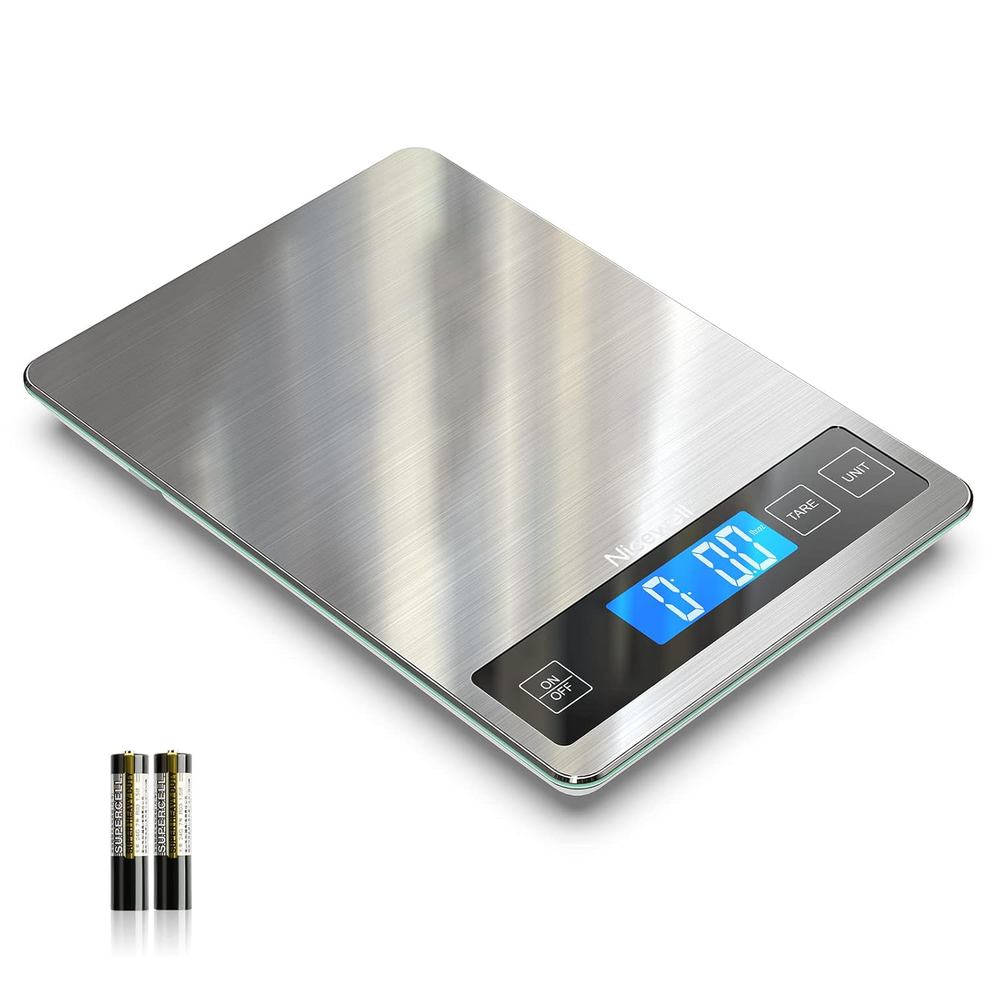
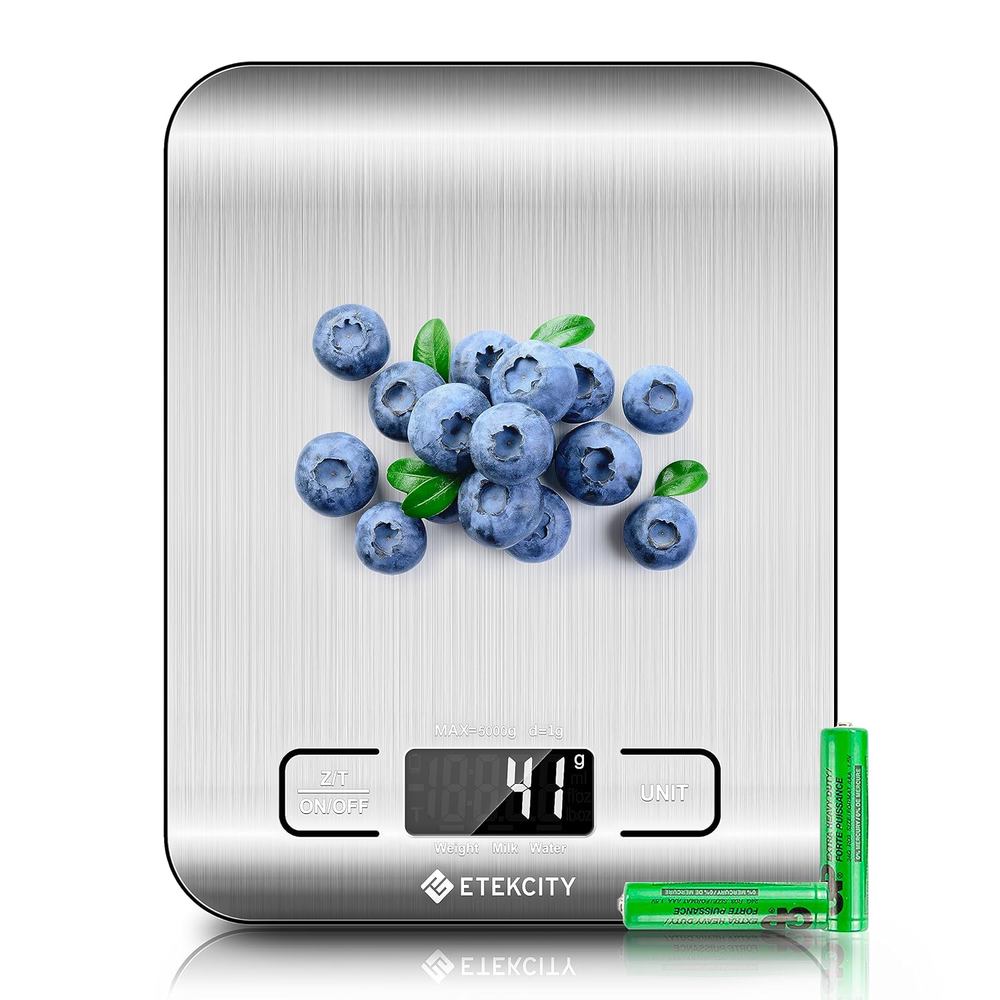
A quick caveat: you do not need to weigh everything forever. But for the foods you eat most often, using a kitchen scale for a few days recalibrates your eye better than any app can.
The solution is not obsessive measuring. It is honest calibration. Weigh your usual portion of rice, cereal, or potatoes once. Write down what it actually looks like on the plate. Then adjust your mental picture. That single exercise is worth more than downloading ten calorie-tracking apps.
Trusting the label without reading the serving size
A nutrition label is not lying to you, but it is not exactly telling the truth either—because the serving size printed on the box is a legal definition, not a nutritional endorsement. A bag of chips might list 15 grams of carbohydrate per serving and look reasonable. But what is a serving? Twelve chips. Are you eating twelve chips? Probably not.
This habit is especially dangerous for foods that feel healthy. A granola bar, a container of yogurt, or a bottled smoothie can look like one serving when the label says there are two servings inside. Multiply the carb count accordingly. Missing that second serving adds 20 to 40 grams to your total before you have even eaten real food.
The fix is mechanical: check the serving size line first, then the carbs second. If the package looks small enough to finish in one sitting, treat it as one serving—even if the label disagrees. Your blood sugar does not care what the FDA considers a serving.
Counting total carbs without subtracting fiber and sugar alcohols
This is the trickiest habit because it requires reading labels differently for different foods. Total carbohydrate is a blunt number. It includes fiber, which does not raise blood glucose, and sugar alcohols like erythritol and xylitol, which have minimal effect. If you count those as regular carbs, you are over-dosing insulin or overestimating your meal's impact by a meaningful margin.
The principle is straightforward for high-fiber foods: subtract the fiber grams from total carbs to get net carbs. For whole foods like beans, lentils, or vegetables, this adjustment can shave 10 to 20 grams off a meal. The same goes for sugar alcohols. Not all sugar alcohols are equal—maltitol behaves more like sugar than erythritol does—but the general rule holds: if a product uses sweeteners like erythritol, monk fruit, or allulose, the actual glucose impact is lower than total carbs suggest.
The risk goes both ways. Some people ignore net carbs entirely and over-bolus, leading to lows. Others subtract aggressively and under-bolus, leading to highs. The goal is simply to make the adjustment that matches how your body actually responds.
These three habits share one thing: they convert a deliberate calculation into a rough estimate. That is fine for a snack now and then. But for anyone trying to stay in range consistently, turning guesswork into measured practice makes the difference between a number that works and a number that surprises you.
If you are struggling with erratic readings, start with these three patterns before blaming your insulin or your diet. Often, the fix is not a new meal plan—it is a more honest look at what is already on your plate.