
A nap can be a powerful reset. In theory, a short period of rest can sharpen focus, improve mood, and restore energy. But have you ever woken up from a nap feeling worse than before you closed your eyes? That groggy, heavy-headed feeling—often called sleep inertia—can linger for hours and sabotage the rest of your day.
This post isn't about whether you should nap. It's about the fine print. For many people, the difference between a revitalizing nap and one that leaves you sluggish comes down to three specific behavioral habits. Making a small shift in how you approach rest can mean the difference between feeling refreshed and feeling drained.
1. Hitting the snooze button on your natural sleep cycle
Your brain operates in roughly 90-minute sleep cycles. A nap that ends in the middle of a deep sleep stage is the most common cause of post-nap grogginess. When you wake from deep sleep, your brain is still producing slow-wave activity. It takes time—sometimes 30 minutes or more—for your cognitive systems to come fully online.
The power nap window is real. To avoid waking in the middle of deep sleep, keep naps between 10 and 20 minutes. If you need a longer rest period, aim for the full 90-minute cycle. This allows your brain to complete one full sleep cycle and wake naturally during a lighter sleep stage. The problem arises when you set an alarm for 45 minutes or an hour—you are almost guaranteed to be jarred awake during deep sleep.
A quick rule: If you nap longer than 30 minutes but shorter than 90, you are likely to wake feeling worse than when you lay down.
Using your body's natural architecture instead of fighting it is the single most effective strategy here. Consider a strategic caffeine nap: drink a cup of coffee just before your 20-minute rest. By the time you wake, the caffeine has begun to take effect, smoothing the transition back to alertness.
2. Napping too late in the day and disrupting your sleep drive
Your body builds a biological pressure to sleep throughout the day. This is called sleep drive. When you nap in the late afternoon or early evening, you release that pressure prematurely. The result? You may struggle to fall asleep at bedtime, leading to a shorter or poorer quality night of sleep. This creates a negative cycle: a bad night of sleep makes you more likely to nap the next day, which further disrupts your circadian rhythm.
The typical cut-off is around 2:00 or 3:00 PM for most adults who wake between 6:00 and 7:00 AM. If you are an early riser, shift that window earlier. If you are a night owl, you may have a slightly later window—but never within five hours of your intended bedtime. This is not a rigid rule but a practical guideline based on how your sleep-wake homeostasis functions.
If you feel a strong wave of drowsiness at 4:00 PM, it is often better to step outside for sunlight exposure, take a brisk walk, or hydrate rather than give in to a nap that will steal from your night's sleep. Over time, this discipline supports better nighttime rest and reduces the overall need for daytime napping.
3. Napping in a chair or on the couch instead of a bed
Environment matters more than most people realize. When you nap in a chair, on a lumpy couch, or in a recliner, your body never fully relaxes into the restorative positions that support quality rest. You may get the quantity of sleep, but you miss the quality. Poor posture during a nap can lead to reduced blood flow, tension in the neck and shoulders, and shallow breathing—all of which contribute to waking up feeling stiff, groggy, and unrested.
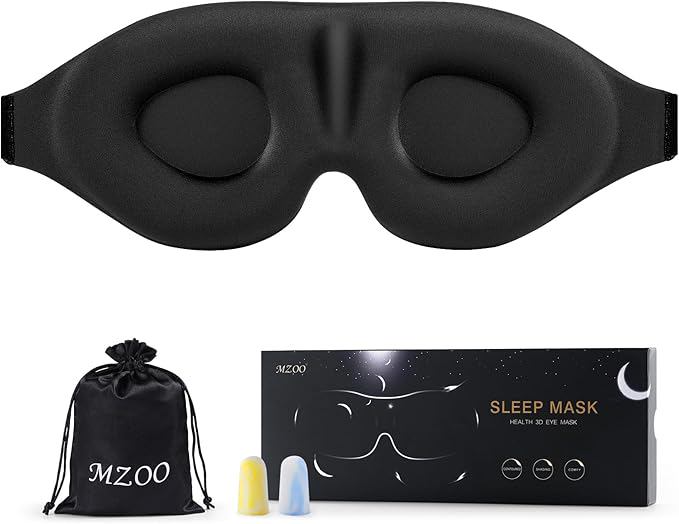
This habit also trains your brain to associate the couch with sleep, which can blur the lines between sleep environments. It is better to make your bedroom a dedicated rest zone. If you must nap at work or while traveling, use a sleeping mask to block light and consider noise-canceling earplugs. Even a few minutes of true rest in a proper setting is more effective than 45 minutes of poor-quality rest in a suboptimal position.
The takeaway here is not about luxury furniture. It is about intentionality. You are creating a temporary sleep environment. A flat surface, a dark room, and a quiet space are the three pillars. If you cannot achieve all three, it may be better to skip the nap altogether and wait for your natural bedtime.
Napping is not inherently good or bad. It is a tool. Like any tool, it works best when used correctly. By controlling the duration, the timing, and the environment, you can avoid the common pitfalls that turn a helpful pause into a source of daytime fatigue. If you find yourself chronically tired after naps, look at these three habits first. Often, a small adjustment is enough to restore the restorative power of rest.