
If your desire for intimacy has felt distant lately, you are far from alone. During perimenopause and menopause, shifts in estrogen, progesterone, and testosterone can directly affect how you experience arousal and interest in sex. But hormones are not the whole story. Some everyday habits can quietly amplify that drop in libido, making what is already a sensitive transition even harder.
The good news is that recognizing these patterns gives you a chance to make small, targeted shifts. We are not talking about a complete lifestyle overhaul—just three common habits that research and clinical experience suggest may be dragging your libido down during this phase of life.
Relying on alcohol to unwind at the end of the day
A glass of wine or a cocktail has become a standard evening ritual for many. It helps you relax, feels like a reward, and might even seem to temporarily boost mood. But for a woman going through menopause, regular alcohol use can have a specific dampening effect on sexual desire.
Alcohol is a central nervous system depressant. While a small amount may lower inhibitions in the short term, regular consumption—especially more than one drink per day—can impair nerve signaling and reduce blood flow. Both are critical for arousal and physical response. Over time, alcohol can also lower free testosterone levels, the hormone responsible for spontaneous sexual thoughts and drive. Additionally, it can worsen common menopause symptoms like hot flashes, night sweats, and poor sleep quality, which already make libido fragile.
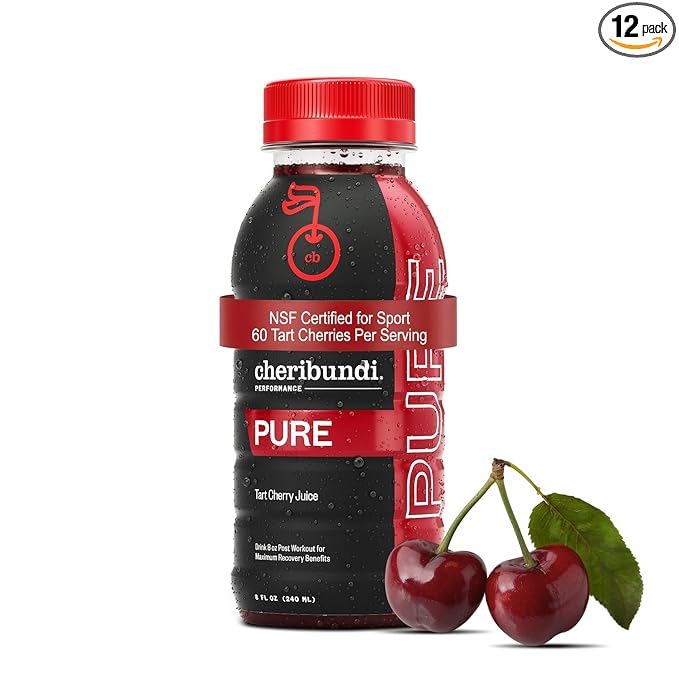
A simple swap is worth trying: replace the nightly drink with a non-alcoholic alternative that still signals “transition time” to your brain. Tart cherry juice with sparkling water or a warm mug of chamomile tea can create the same wind-down ritual without the hormonal interference. Many women notice a gradual return of desire within two to four weeks of reducing alcohol intake.
Letting sleep debt pile up week after week
Sleep fragmentation is a hallmark of the menopausal transition. Night sweats, restless legs, and the need to urinate at night can slice hours of deep sleep into shallow, unsatisfying rest. You might compensate by sleeping in an hour on weekends or drinking more coffee during the day. This is precisely where the libido-sapping habit sneaks in: treating chronic sleep disruption as normal rather than something to be addressed.
Lack of restorative sleep raises cortisol, the primary stress hormone. High cortisol directly competes with and suppresses the production of estrogen and testosterone needed for sexual desire. It also activates the sympathetic nervous system—your fight-or-flight mode—which is the opposite of the relaxed, receptive state that fosters intimacy. On a practical level, when you are exhausted, the brain simply deprioritizes sex. It is not a moral failing; it is biology.
A rebalance starts with protecting a block of uninterrupted sleep. Lowering the bedroom temperature to 65°F (18°C), using moisture-wicking pajamas, and applying a cooling gel pad to the mattress can reduce nighttime overheating. If you have not spoken with your clinician about sleep supports such as low-dose melatonin or hormone therapy options for night sweats, that conversation can be a turning point.
Aiming for seven to eight hours of consolidated rest is not a luxury during menopause; it is a foundational step for libido restoration. Even a few consecutive nights of deeper sleep can noticeably increase morning energy and mid-day spontaneous desire.
Staying in a chronic low-calorie or restrictive eating pattern
Diet culture has convinced generations of women that eating less is a virtue. During menopause, however, cutting calories too low or avoiding certain food groups can work against you in ways that directly affect the bedroom.
Hormone production requires a steady supply of dietary fat, cholesterol, and adequate total energy. When the body perceives caloric restriction—or when carbohydrate intake drops too drastically to support thyroid function—it shuts down non-essential hormonal systems to conserve energy. Sex hormone production is one of the first systems to be downregulated. This can result in lower estrogen and testosterone levels, reduced vaginal lubrication, and a flat mood that makes connection feel difficult.
Additionally, restrictive eating patterns often miss key nutrients that support circulation, nerve function, and nitric oxide production—the molecule that relaxes blood vessels and supports pelvic blood flow. Zinc, magnesium, and vitamin D are especially relevant for hormonal balance and libido, yet they are commonly low in women restricting their intake.
If you currently skip meals, eat well below 1,600 calories most days, or avoid whole food sources of fat, consider adding rather than subtracting. Three meals with at least 20 grams of protein each, a generous serving of colorful vegetables, and a source of healthy fat (avocado, olive oil, nuts, fatty fish) at every meal can stabilize blood sugar and give your hormonal pathways the raw materials they need. Many women find that within two or three weeks of adequate nutrition, their interest in intimacy returns to a noticeably higher baseline.
Small changes, real difference
None of these habits are about blame. They are patterns that tend to creep in during a demanding life stage, and they are highly reversible. Lowering alcohol consumption, prioritizing actual rest, and feeding your body enough fuel are three powerful, evidence-backed levers for restoring desire during menopause.
Pay attention to which one resonates most. Start there. Give it a consistent two weeks, and notice how your energy, mood, and responsiveness shift. You might be surprised at how much control you still have over your intimacy narrative, even when hormones feel like they are writing their own story.