Loneliness can feel like a physical weight, and it affects more than just your mood. When you're in that space, the foods you reach for can either deepen the heaviness or offer a small, grounding moment of comfort. Dietitians who study the connection between nutrition and emotional well-being point to three specific foods that can help when loneliness feels particularly acute.
These aren't quick fixes or miracle cures. They are nourishing choices that support your body's stress response, provide a sense of warmth, and reconnect you with the act of caring for yourself.
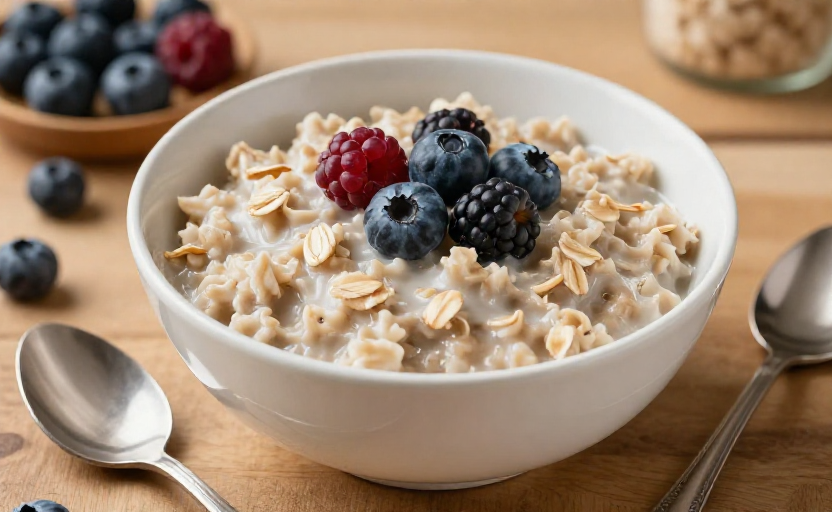
Warm oatmeal with berries
There's a reason a bowl of hot oatmeal feels like a hug in a bowl. Oats are a complex carbohydrate, which means they help the body produce serotonin—a neurotransmitter that plays a key role in mood regulation. When you're feeling lonely, your stress hormone cortisol can spike. Complex carbs help stabilize blood sugar and support a calmer nervous system.
Berries add a dose of antioxidants. Chronic loneliness is linked to inflammation in the body, and the phytonutrients in berries help combat that. Dietitians suggest preparing oatmeal with a splash of milk or a plant-based alternative for added protein, which helps keep you full and steady.
“The ritual of making oatmeal—heating the water, stirring in the oats, watching it thicken—can be a mindful act that pulls you into the present moment,” says one registered dietitian. “That gentle focus can be very grounding when you feel untethered.”
A simple vegetable soup
Soup is another food that dietitians often recommend for moments of loneliness. It's warm, it's hydrating, and it typically contains a mix of vegetables, broth, and sometimes beans or lentils. These ingredients deliver fiber, vitamins, and minerals that support overall brain health.
The broth itself can be soothing. Sodium levels should be moderate, but a well-seasoned soup can stimulate the senses in a way that feels nurturing. Dietitians emphasize that the key is simplicity: a clear, vegetable-based soup rather than a heavy, cream-laden one. You want something that feels restorative, not heavy.
Why soup works on a deeper level
There's also a psychological component. Soup is often associated with care—something someone might make for you when you're sick. Preparing it for yourself can be an act of self-compassion, a small signal to your brain that you are worth the effort. This can counter the negative self-talk that often accompanies loneliness.
Dark chocolate (a square or two)
Dark chocolate is frequently mentioned by dietitians as a mood-supporting food. It contains compounds like flavonoids and small amounts of magnesium, both of which have been linked to improved mood and reduced stress. The key here, as with all recommendations, is moderation. A square or two of high-quality dark chocolate (70% cocoa or higher) is enough to provide benefits without causing a sugar spike or crash.
Dietitians also note that the rich, slightly bitter flavor of dark chocolate can satisfy a craving without reinforcing a cycle of emotional eating. It's a treat, but one that your body can process in a balanced way.
Common pitfalls to avoid
When loneliness sets in, it's easy to reach for ultra-processed snacks or large amounts of sugary foods. Those provide a temporary rush of dopamine but often leave you feeling worse afterward. Dietitians warn against using food as a way to numb the feeling. Instead, the goal is to nourish your body in a way that supports emotional resilience over the long term.
- Mindless snacking in front of a screen can disconnect you from your body's hunger signals.
- High-sugar foods can lead to energy crashes that mimic or worsen feelings of fatigue and sadness.
- Skipping meals entirely can drop blood sugar, making you more irritable and emotionally vulnerable.
These three foods—oatmeal with berries, a simple vegetable soup, and a small amount of dark chocolate—offer a middle path. They acknowledge the feeling of heaviness without trying to erase it, and they provide genuine nutritional support for your body during a difficult time.