When you're under chronic stress, your body is in a near-constant state of alert. Cortisol levels stay elevated, sleep suffers, and your system can feel drained. While no single meal can erase that burden, what you put on your plate can either support your body's recovery or make the stress response worse. Here are three science-backed foods to prioritize for chronic stress recovery — and one common culprit to steer clear of.
Why Food Matters for Stress Recovery
Chronic stress isn't just a mental state; it has real, measurable effects on your body. Your adrenal glands pump out cortisol, your blood sugar can swing unpredictably, and inflammation often creeps up. The right nutrients can help modulate that cortisol response, support neurotransmitter production, and reduce oxidative stress. Think of food not as a cure, but as a steady foundation that makes everything else — sleep, exercise, therapy — work better.
1. Fatty Fish: A Brain-Supporting Powerhouse
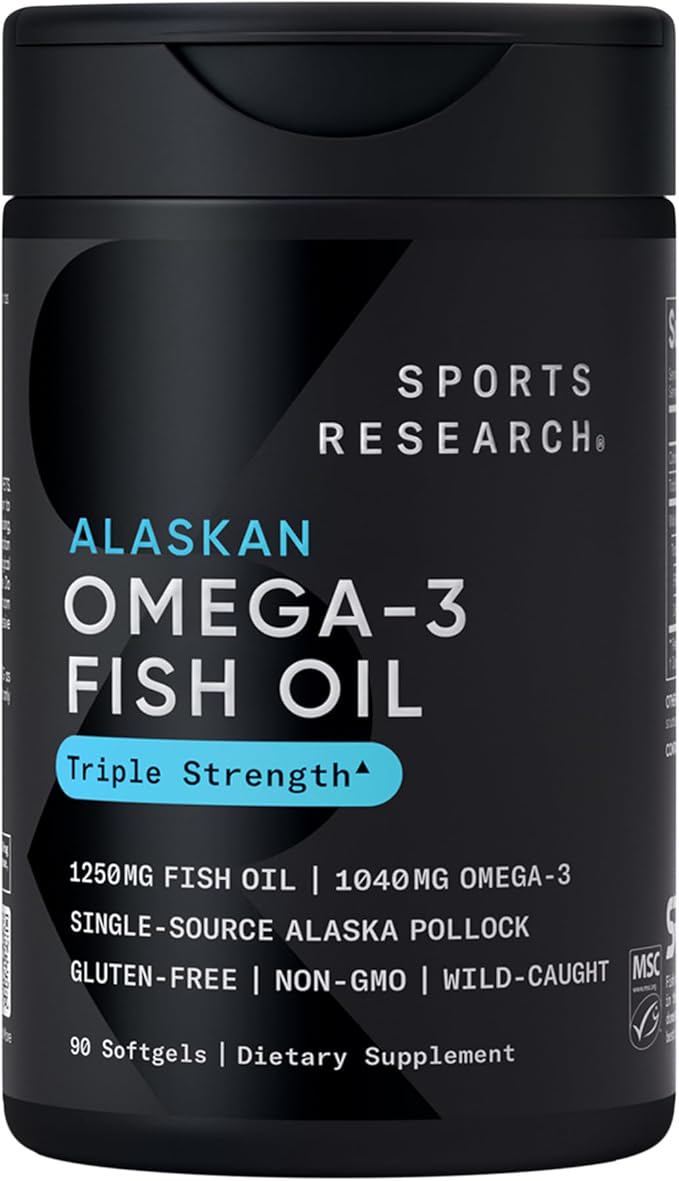
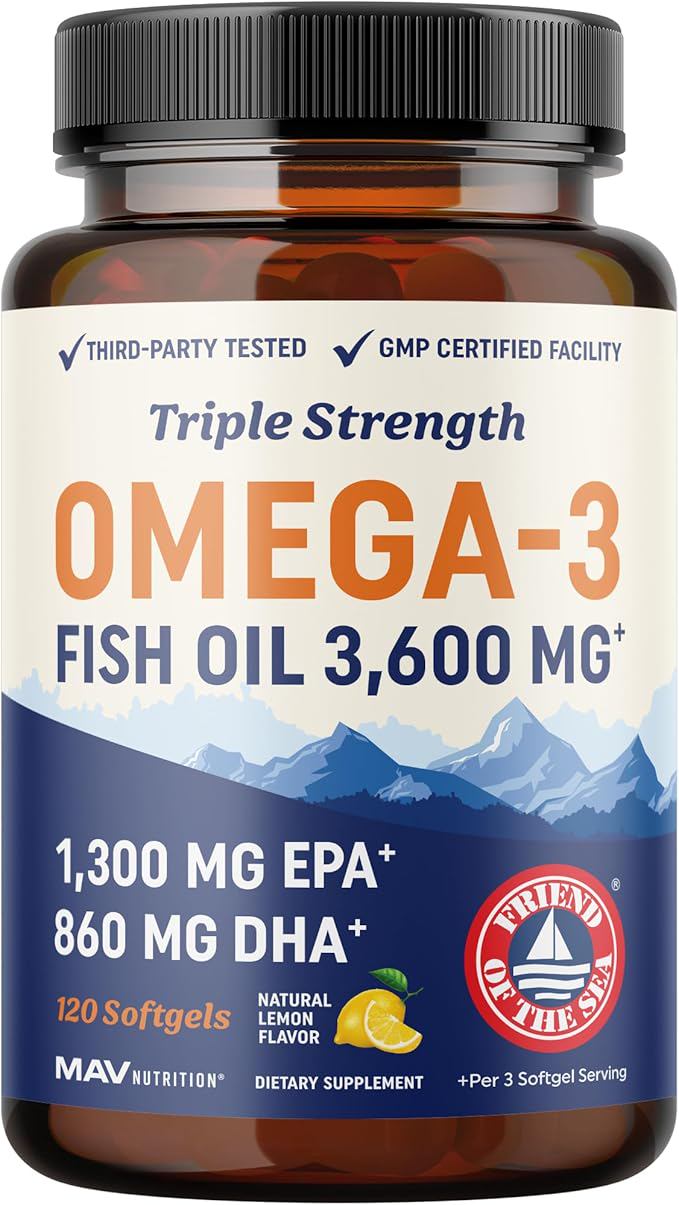
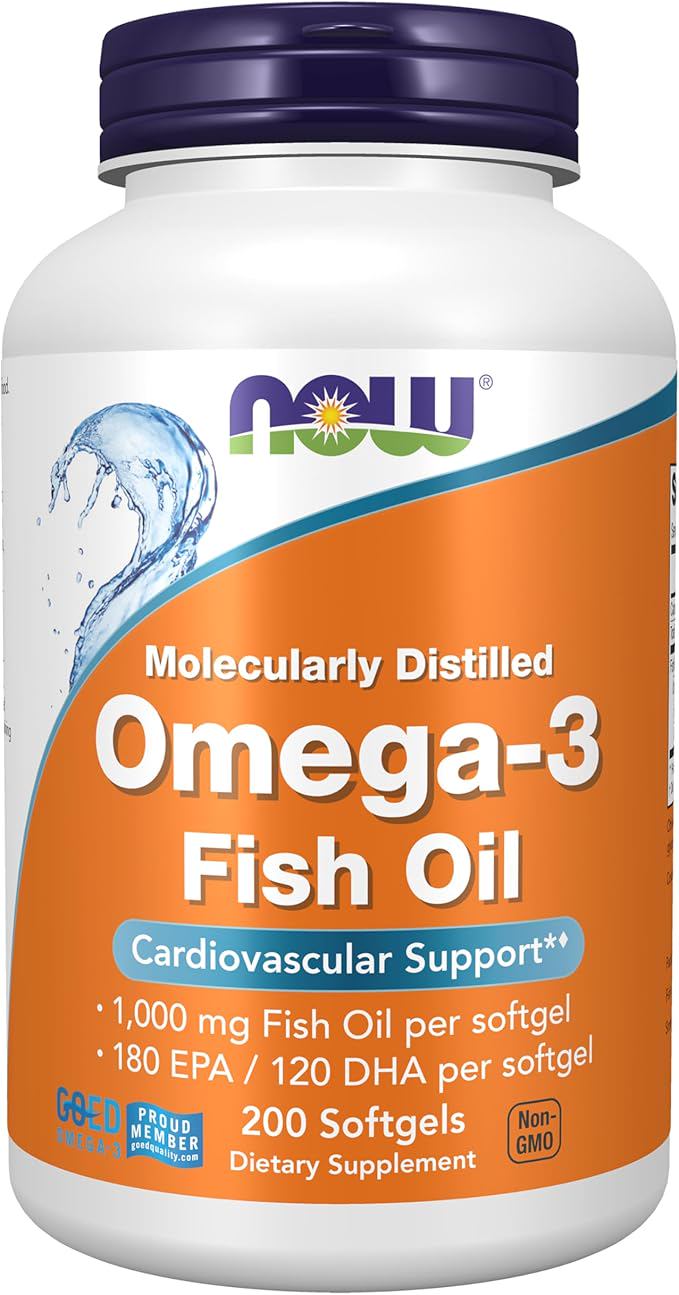
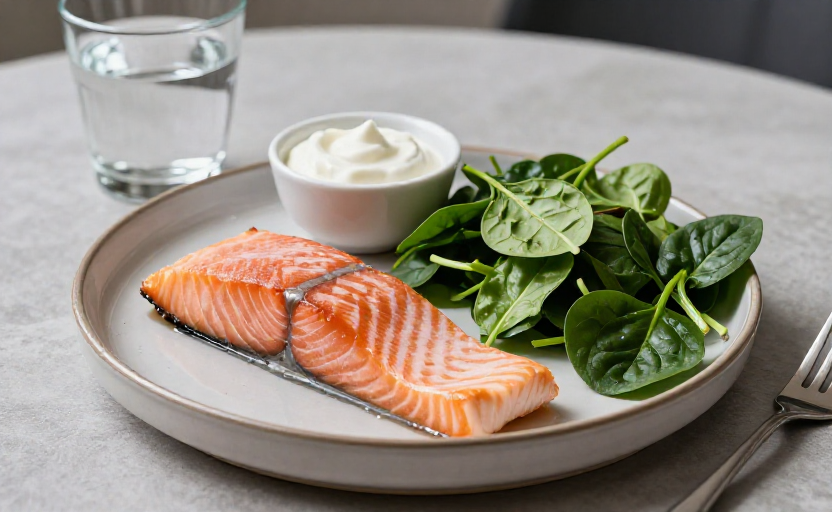
Fatty fish like salmon, mackerel, and sardines are rich in omega-3 fatty acids — specifically EPA and DHA. These fats are critical for brain health, and research suggests they help regulate the body's stress response. Omega-3s have been shown to reduce inflammation and lower cortisol levels in people under chronic stress. Aim for two servings per week, or consider a fish oil supplement if you don't eat fish regularly. The key is consistency: a single serving won't undo weeks of stress, but regular intake can help your system stay resilient.
2. Leafy Greens: Magnesium for Calm
Magnesium is often called the relaxation mineral for good reason. It plays a role in the function of the nervous system and helps regulate the HPA axis, which controls your stress response. Chronic stress depletes magnesium, and low magnesium can, in turn, make it harder to handle stress — a vicious cycle. Dark leafy greens like spinach, kale, and Swiss chard are excellent sources. A simple daily salad or a handful of greens in a smoothie can help replenish this critical nutrient. Avocado and pumpkin seeds are also great options if greens aren't your favorite.
3. Probiotic-Rich Foods: The Gut-Brain Connection
Your gut and brain are in constant communication via the vagus nerve, and the microbiome plays a surprisingly large role in mood and stress resilience. Fermented foods like yogurt (look for live active cultures), kefir, sauerkraut, and kimchi can support a healthy gut environment. Some research suggests that probiotics may help reduce symptoms of anxiety and stress by dampening inflammation and supporting the production of feel-good neurotransmitters like serotonin. Including a serving of fermented food in your daily diet can be a small but meaningful step toward stress recovery.
Editor’s tip: If you’re new to fermented foods, start slow — a few spoonfuls of sauerkraut on a sandwich or a small cup of kefir — to give your digestive system time to adjust.
The One Food to Avoid for Stress Recovery
If there's one dietary move that can sabotage your stress recovery, it's leaning on added sugar — especially in the form of sugary drinks, sweets, and refined snacks. High-sugar foods cause rapid spikes and crashes in blood glucose, which can mimic or worsen the physical symptoms of anxiety: shakiness, irritability, and fatigue. Over time, a high-sugar diet can also contribute to systemic inflammation and may even blunt the body's ability to regulate cortisol. That doesn't mean you can never enjoy dessert; it's about awareness. When stress hits, consider reaching for a handful of nuts or a piece of fruit instead of a candy bar or soda.
Putting It All Together
Building a stress-recovery plate doesn't need to be complicated. Start with a base of leafy greens, add a serving of fatty fish a couple times a week, and include a fermented food daily. Meanwhile, keep an eye on hidden sugar in packaged foods and beverages. Small, consistent shifts can help your body bounce back more effectively. As always, talk with a healthcare provider or registered dietitian before making major dietary changes — especially if you have a medical condition or take medication that could be affected.