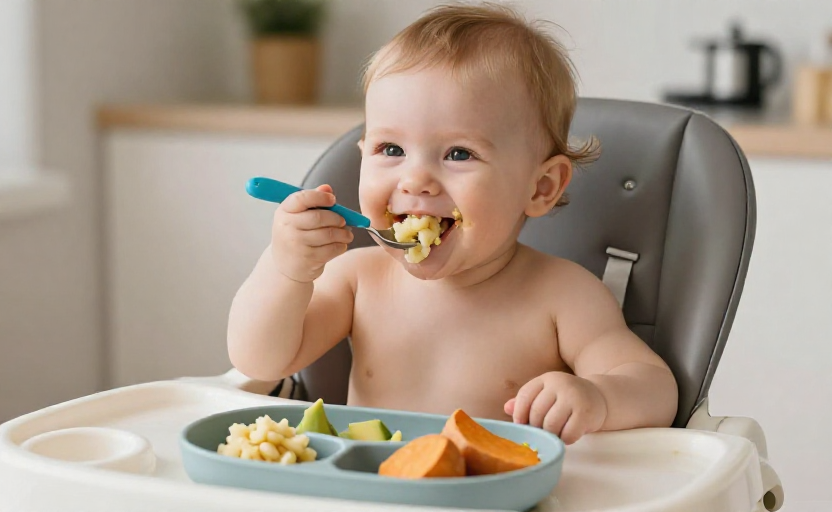
Introducing your baby to solid foods is a milestone filled with excitement, messy faces, and a healthy dose of parental anxiety. It’s natural to wonder what’s truly safe and what might be better to hold off on. While every baby is different, pediatricians and nutrition experts have clear guidelines on a few common foods that are best avoided in the early stages of starting solids, typically around six months of age. The goal isn’t to create fear around food, but to build a foundation of safety and nutrition that supports your little one’s growth and development.
Understanding these guidelines helps you navigate the grocery store and your own kitchen with more confidence. It’s about knowing which foods pose unnecessary risks—like choking hazards or tiny tummy troubles—and which nutrient-packed alternatives can take their place. Let’s walk through three common foods pediatricians suggest skipping at the start, and the simple, safer swaps that can make mealtime both joyful and secure.
Foods to Avoid When Starting Solids
In the first few months of eating solids, a baby’s digestive system is still maturing, and their ability to manage different textures and potential allergens needs to be approached with care. The primary concerns at this stage are choking risk, high sodium or sugar content, and the potential for harmful bacteria. These three categories of food are commonly flagged by experts for good reason.
1. Honey
This natural sweetener is a definite no for babies under one year old. The reason is botulism—a rare but serious illness caused by bacteria that can be present in honey, even pasteurized honey. An infant’s immature digestive system can’t defend against the spores, which can produce a dangerous toxin.
Hold off on honey in any form—whether stirred into yogurt, spread on toast, or used in baked goods—until after your baby’s first birthday.
2. Whole Cow’s Milk as a Drink
While small amounts of cow’s milk in cooked foods (like in a pancake batter) are generally fine, it should not be offered as a primary drink before one year. Cow’s milk is low in iron and can be hard on a baby’s kidneys. More importantly, drinking too much of it can displace breast milk or formula, which are crucial sources of complete nutrition and easily absorbed iron for infants.
3. Choking Hazard Foods
Texture is everything in the beginning. Foods that are hard, round, slippery, or sticky can easily block a small airway. Common culprits include whole nuts, popcorn, whole grapes, hot dog rounds, raw hard vegetables (like carrots or apple chunks), and large globs of nut butter.
The key is modification: cutting, cooking, mashing, or spreading these foods to make them safe. A spoonful of thick peanut butter, for instance, is a risk, but a thin smear on a strip of toast is a much safer way to introduce the allergen.
3 Safer, Nutrient-Rich Swaps
For every food to avoid, there’s a delicious and nutritious alternative ready to take its place. These swaps focus on providing essential nutrients like iron, healthy fats, and vitamins in forms that are easy for your baby to eat and digest.
1. Instead of Honey: Mashed Banana or Unsweetened Applesauce
For a touch of natural sweetness in oatmeal or yogurt, skip the honey and reach for mashed ripe banana or unsweetened applesauce. Both offer a smooth texture babies love, plus they add potassium, fiber, and vitamin C. The ripe fruit’s natural sugars are perfectly safe and can make new, blander foods more appealing.
2. Instead of Cow’s Milk as a Drink: Continue Breast Milk or Formula
This isn’t so much a swap as a reminder of the gold standard. Breast milk and/or infant formula should remain your baby’s primary source of nutrition and hydration until at least one year. They provide the perfect balance of fat, protein, vitamins, and the highly bioavailable iron that growing babies need. Think of solids as “complementary” foods—they complement, not replace, these vital liquids.
3. Instead of Choking Hazards: Modified Textures
You don’t have to eliminate entire food groups; you just need to prepare them thoughtfully.
- Instead of whole grapes: Cut them into quarters lengthwise, or mash them lightly.
- Instead of raw apple chunks: Steam or roast apple slices until very soft, then mash or cut into tiny, manageable pieces.
- Instead of a spoonful of nut butter: Thin a small amount with warm water, breast milk, or formula to create a drizzle, or spread a tiny layer onto a soft strip of food.
- Instead of whole nuts: Use finely ground nuts or nut flour mixed into baby cereal or yogurt.
Always ensure your baby is seated upright during meals and that you are present and watching. Learning to eat is a process, and being there to guide them is the most important safety tool of all.
Building a Positive Foundation
Starting solids is about exploration. By sidestepping a few common pitfalls with these simple swaps, you create a safer space for your baby to learn about taste, texture, and the joy of eating. Focus on offering a variety of iron-rich foods (like pureed meats, lentils, and iron-fortified cereal), soft fruits and vegetables, and healthy fats. Introduce one new single-ingredient food at a time, waiting a few days before adding another, to help identify any potential reactions.
Remember, these guidelines are a starting point. Your pediatrician is your best resource for personalized advice, especially if your baby has specific health concerns or a family history of allergies. Trust your instincts, embrace the mess, and celebrate each new food adventure together.