Tooth enamel is the hardest substance in the human body, yet it is not invincible. Certain everyday foods can gradually erode this protective layer, leading to sensitivity, discoloration, and a higher risk of cavities. For families, understanding which foods are most likely to harm enamel is a practical step toward better oral health for both children and adults.
While genetics and brushing habits matter, diet plays a central role in enamel integrity. The three food categories below are commonly found in family kitchens and can, over time, weaken enamel if consumed without caution.
1. Sugary Snacks and Sticky Candies
Bacteria in the mouth feed on sugar and produce acid as a byproduct. This acid directly attacks tooth enamel, stripping it of minerals in a process called demineralization. Sticky candies, caramel, gummy vitamins, and dried fruit are especially problematic because they cling to teeth for extended periods, prolonging acid exposure. Hard candies that are sucked slowly also bathe teeth in sugar over many minutes.
Frequency matters more than quantity. A single piece of candy eaten all at once is less damaging than the same piece nibbled throughout the day, because each sugary encounter triggers another acid attack. For family diets, replacing sticky sweets with options like fresh fruit (which has water and fiber to rinse the mouth) can reduce enamel risk.
2. Acidic Drinks: Soda, Sports Drinks, and Citrus Juices
Acid erodes enamel directly, independent of sugar. Citrus juices, sodas (both regular and diet), and sports drinks have a low pH that can soften and wear away the enamel surface. Diet soda may lack sugar but still contains phosphoric and citric acids that are harsh on teeth.
Children and adults who sip these drinks throughout the day, or who swish them in the mouth before swallowing, expose enamel to repeated acid baths. Over time, this can lead to a thin, translucent, or yellowed appearance as the underlying dentin shows through. Using a straw to minimize contact with front teeth, rinsing with water afterward, and waiting at least 30 minutes before brushing (to avoid brushing softened enamel away) are helpful habits.
3. Simple Carbohydrates: Chips, Crackers, and White Bread
Salty snacks are not always thought of as enamel enemies, but starches like potato chips, crackers, and white bread break down into simple sugars in the mouth. The chewy, sticky texture of these foods means they lodge between teeth and along the gumline, feeding oral bacteria for longer periods. The result is the same acid production as from candy, but often without the immediate awareness that sugar is present.
Pairing these snacks with cheese, nuts, or crunchy vegetables can help neutralize acid and stimulate saliva flow, which naturally washes away food particles and restores pH balance. Whole-grain alternatives also tend to be less sticky and more fibrous than their refined counterparts.
A simple rule: If a food leaves a sticky film on your teeth or requires multiple sips of water to clear, it likely contributes to enamel wear over time.
How to Protect Enamel Without Over-Restricting
Eliminating all potentially harmful foods from a family diet is neither realistic nor necessary. The goal is mindful consumption. Serving sweets and acidic drinks alongside meals, rather than as standalone snacks, reduces their enamel impact because the mouth produces more saliva during a meal to buffer acids. Rinsing with water after eating and waiting before brushing also helps preserve the enamel surface.
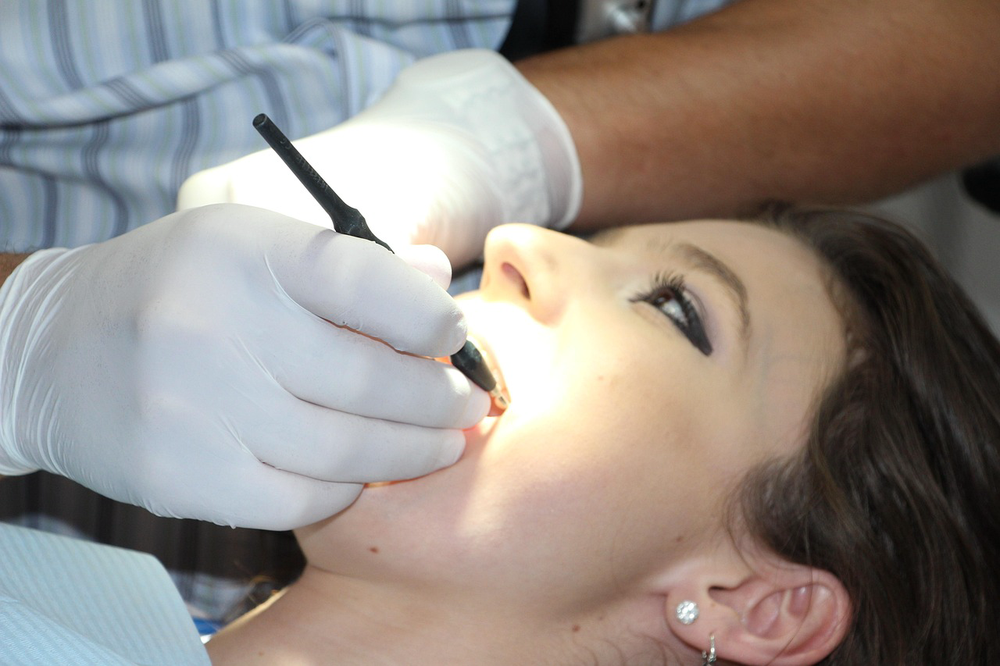
For families with young children, teaching them to sip water after treats and to avoid swishing acidic drinks makes a difference over a lifetime. Regular dental checkups and fluoride treatments further strengthen enamel against daily dietary challenges.