Sexual discomfort during intimacy can create a cycle of avoidance and anxiety. When tenderness or dryness becomes an expected part of the experience, pleasure often takes a back seat. While communication, lubrication, and foreplay remain essential tools, what you eat can also influence how your body responds to arousal and friction. Below are three foods that may help ease discomfort before and during intimacy—nourishing the tissues and supporting natural lubrication from the inside out.
Omega-3 Rich Fish: Salmon, Mackerel, and Sardines
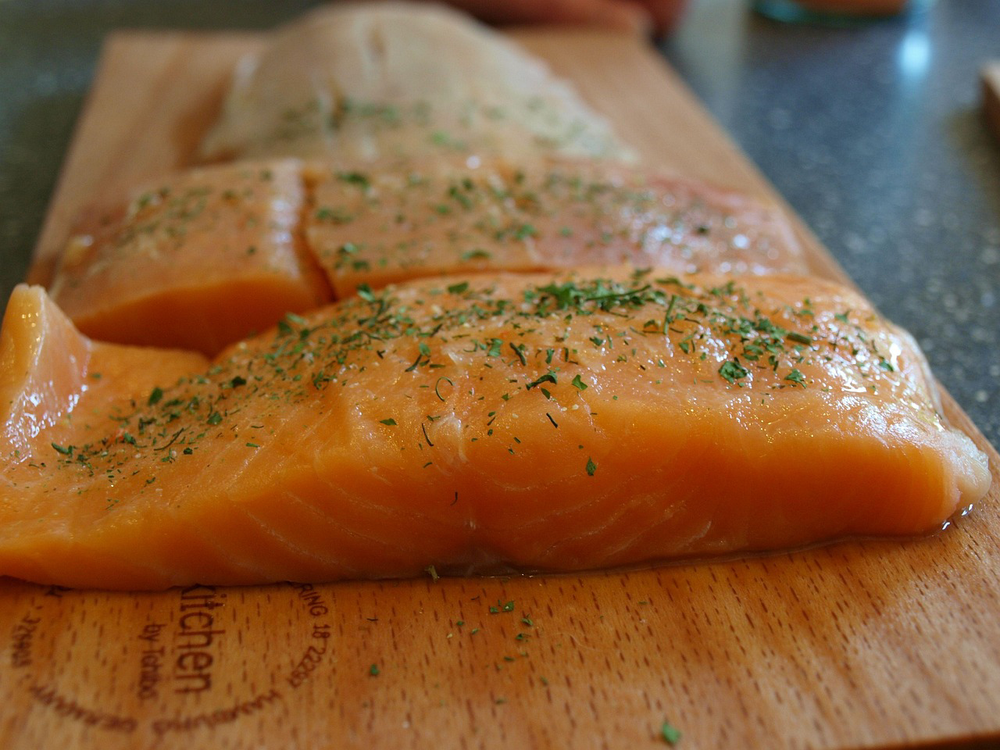
Fatty fish are prized for their high concentration of omega-3 fatty acids, particularly EPA and DHA. These essential fats play a key role in reducing systemic inflammation, which can contribute to vaginal dryness and pelvic tenderness. A diet rich in omega-3s supports better blood flow to the genital area, helping tissues remain supple and responsive. For women experiencing discomfort due to hormonal shifts or conditions like endometriosis, regular consumption of cold-water fish may lessen inflammation and improve overall comfort during intimacy.
Aim for two to three servings a week. If you do not eat fish, a high-quality algae-based omega-3 supplement is a plant-friendly alternative, though whole food sources offer additional nutrients like vitamin D and selenium.
Avocados: Healthy Fats for Membrane Health
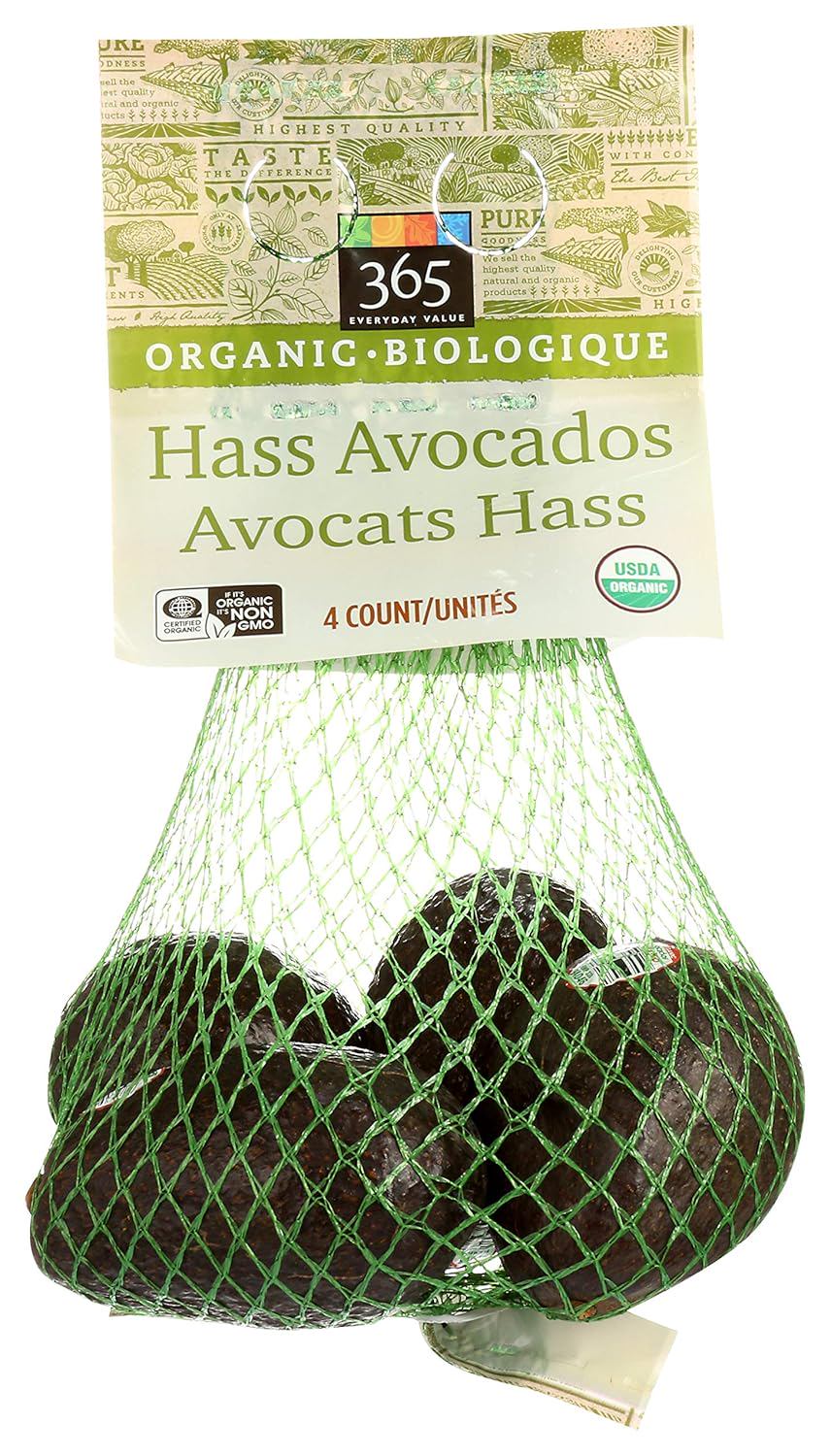
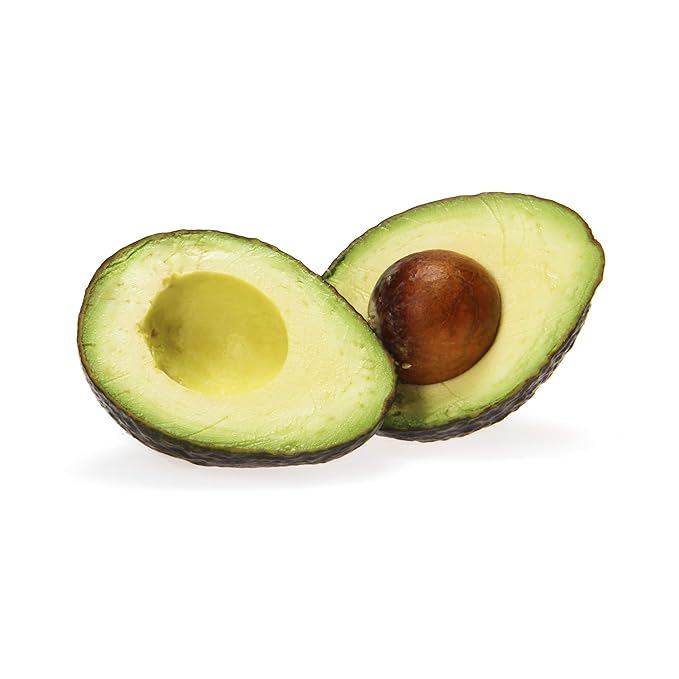
Avocados deliver monounsaturated fats and fat-soluble vitamins (E, K, and B6) that directly support the health of mucosal membranes. The vaginal lining depends on adequate fat intake to maintain elasticity and moisture. Vitamin E, in particular, is known to help protect cell membranes from oxidative stress, which may reduce irritation and sensitivity. Potassium in avocados also supports muscle relaxation, which can help ease pelvic tension during intimacy.
Try half an avocado as part of a meal or snack earlier in the day—not right before intimacy, since digestion time varies. Pair it with leafy greens for a synergistic dose of magnesium, another mineral that helps muscles let go of tension.
Pumpkin Seeds: Zinc and Magnesium for Tissue Repair and Relaxation
Pumpkin seeds are a concentrated source of zinc, a mineral essential for tissue repair and hormone regulation. Zinc supports the integrity of skin and mucous membranes, which is relevant for anyone prone to micro-tears or sensitivity during intercourse. These seeds are also rich in magnesium, which acts as a natural muscle relaxant. For women who experience pelvic floor tightness or cramping that makes penetration uncomfortable, magnesium can help the muscles release more easily.
Eat a small handful (about one ounce) daily. You can sprinkle them onto oatmeal, salads, or yogurt. Roasted, unsalted varieties are best to avoid excess sodium, which can contribute to bloating and fluid retention.
Beyond the Plate: A Quick Word on Timing and Hydration
While these foods can support tissue health and reduce inflammation over time, they are not a quick fix for an immediate episode of discomfort. Consistent dietary habits matter more than a single meal eaten before sex. Adequate water intake throughout the day is just as critical—dehydration directly reduces natural lubrication. If you are eating these foods but skipping water, you are missing half the equation.
A note on pelvic floor tension: If discomfort persists even after diet and hydration are addressed, a pelvic floor physical therapist can help identify whether muscle guarding or hypertonicity is the root cause. Food can support, but it cannot replace targeted care when underlying conditions are present.
Putting It Together: A Sample Day of Comfort-Supporting Meals
- Breakfast: Oatmeal topped with a tablespoon of pumpkin seeds and half a sliced avocado. A glass of water.
- Lunch: Salad with grilled salmon, leafy greens, and a lemon-tahini dressing. Another glass of water.
- Snack: A small handful of almonds and a piece of fruit.
- Dinner: Baked mackerel with steamed broccoli and quinoa. Herbal tea afterward.
None of these ingredients are exotic or difficult to find. The key is consistency. Give your body a few weeks of steady intake and pay attention to how you feel—both in terms of pelvic comfort and overall wellbeing.
When to Check in with a Healthcare Provider
Sexual discomfort can also stem from hormonal imbalances, infections, vaginismus, or side effects of medications such as antidepressants or birth control. If dietary adjustments do not bring noticeable relief within a few weeks, or if you experience pain, burning, or unusual discharge, consult a gynecologist or a primary care provider. Food is a powerful ally, but it is not a diagnostic tool or a substitute for professional care.