For many women navigating the menopausal transition, breast tenderness can be an unwelcome and recurring discomfort. This pain, often medically referred to as mastalgia, is frequently linked to the fluctuating levels of estrogen and progesterone that define perimenopause. While the sensation is common, it doesn't have to be a daily burden you simply accept. Alongside supportive bras and gentle care, your diet can play a surprisingly effective role in calming that sore, swollen feeling.
Below, we look at three specific foods—each backed by a different nutritional mechanism—that may help ease breast tenderness. These are not quick fixes, but nutrient-dense additions that support your body's natural hormone balance and fluid regulation.
1. Flaxseeds: A Plant-Based Hormone Modulator
Flaxseeds are exceptionally rich in lignans, a type of phytoestrogen that can interact with estrogen receptors in the body. Because breast tissue is highly sensitive to estrogen, any compound that gently modulates estrogen activity can make a difference. Lignans can bind to estrogen receptors, potentially blocking more potent, circulating estrogens that contribute to breast pain and swelling.
In addition to their hormonal effect, flaxseeds are packed with fiber and omega-3 fatty acids (ALA), which help reduce systemic inflammation. A lower background level of inflammation can ease the hypersensitivity of breast tissue during hormonal shifts.
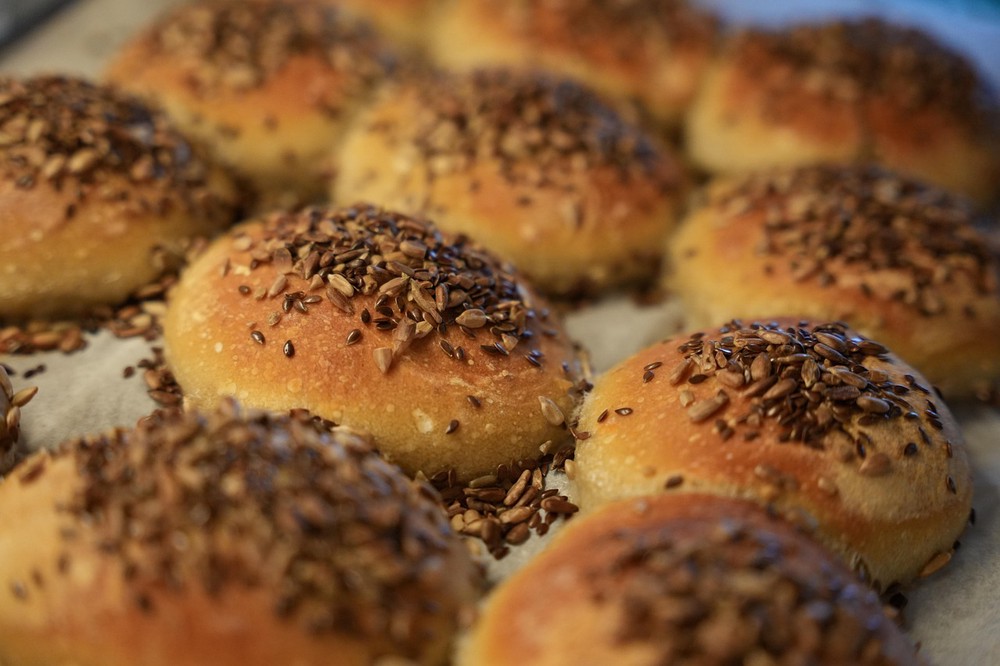
How to incorporate flaxseeds: Add one to two tablespoons of ground flaxseed to your morning oatmeal, yogurt, or smoothie. Whole flaxseeds often pass through the body undigested, so grinding them fresh ensures you absorb the beneficial lignans.
A simple, evidence-informed swap: replace a portion of your refined flour in baking with ground flax meal for a subtle nutty flavor and a hormone-friendly boost.
2. Green Leafy Vegetables: A Natural Diuretic and Anti-inflammatory
During menopause, the body's ability to regulate fluid balance can become less efficient, contributing to the swollen, tender sensation in the breasts. Green leafy vegetables like kale, spinach, Swiss chard, and collard greens are naturally rich in magnesium and potassium—two minerals that act as gentle diuretics.
Magnesium helps reduce water retention by supporting kidney function and regulating aldosterone, a hormone that controls fluid balance. Potassium, on the other hand, counteracts the effects of sodium, helping your body flush out excess fluid and reduce breast fullness.
These vegetables also contain high levels of vitamin K and various antioxidants that fight oxidative stress. Since breast tenderness often includes a component of local tissue inflammation, the anti-inflammatory properties of leafy greens can help calm the tissue directly.
How to incorporate leafy greens: Aim for a large handful of raw greens in a lunch salad, or gently sauté a cup of spinach or kale with garlic and olive oil as a side dish for dinner. Because cooking reduces volume, a cup of cooked greens delivers a concentrated dose of nutrients.
- Quick tip: Try adding a handful of spinach to your fruit smoothie. The mild flavor is easily masked by berries or banana, making it an effortless daily habit.
3. Fatty Fish: Omega-3s to Reduce Prostaglandin Sensitivity
Fatty fish such as salmon, mackerel, sardines, and trout are among the best dietary sources of the long-chain omega-3 fatty acids EPA and DHA. These fats are precursors to potent anti-inflammatory molecules called resolvins and protectins. Breast pain is often linked to elevated levels of pro-inflammatory prostaglandins, which sensitize nerve endings in the breast tissue. Omega-3s help shift the body's prostaglandin balance toward a less inflammatory profile.
Beyond pain perception, omega-3s support healthy cell membrane fluidity. Breast tissue with more flexible, well-nourished cell membranes tends to be less reactive to the hormonal fluctuations of menopause. This can translate to a noticeable reduction in cyclic breast tenderness—the type that comes and goes with your hormonal cycle—as well as non-cyclic tenderness.
How to incorporate fatty fish: The American Heart Association suggests two servings (about 3.5 ounces each) of fatty fish per week for general heart health. For breast tenderness, this same guideline is a solid target. Baked salmon, sardines on whole-grain toast, or grilled mackerel all work well.
If you don't eat fish, a high-quality algae-based omega-3 supplement can provide DHA without the fish. However, whole food sources offer additional nutrients like selenium and vitamin D that support overall hormonal health.
A Note on Diet and Breast Tenderness
Dietary changes are not a substitute for medical evaluation. If you notice a new lump, persistent pain in one specific spot, skin changes, or nipple discharge, please consult your healthcare provider immediately. Tenderness that is bilateral, diffuse, and cyclic is generally less concerning than localized or unilateral pain.
Adding these three foods to your routine works best as part of a broader pattern that includes minimizing caffeine (which can stimulate breast tissue in some women), staying well-hydrated with plain water, and limiting high-sodium processed foods that exacerbate fluid retention. Consistency over several weeks, rather than a single perfect day, is what builds a meaningful shift in comfort.