Vaginal dryness is a common experience for many women, often linked to hormonal shifts like menopause, but also to stress, certain medications, or health conditions. While it's a physical symptom, it can deeply affect comfort, intimacy, and overall well-being. While lubricants and medical treatments are primary solutions, many wonder if diet can play a supportive role. The answer is nuanced: no single food is a cure, but a nutrient-rich diet can help support the body's natural moisture and tissue health from the inside out.
Think of it as foundational care. The skin and mucous membranes throughout your body, including vaginal tissue, rely on adequate hydration and specific nutrients to stay supple and resilient. By focusing on foods that promote hydration, support collagen production, and provide healthy fats, you can create a more supportive internal environment. It's about nourishing the whole system.
How Can Food Influence Vaginal Moisture?
Vaginal tissue is rich in blood vessels and is a mucous membrane, similar to the lining of your mouth. Its health is influenced by estrogen, which helps maintain thickness, elasticity, and natural lubrication. When estrogen levels drop, these tissues can become thinner, drier, and more fragile.
Food doesn't contain estrogen, but certain nutrients can support the body's ability to manage inflammation, maintain collagen (a key protein for skin and tissue structure), and produce the compounds that make up cell membranes. Furthermore, systemic hydration is crucial; if your body is dehydrated, it will prioritize vital organs, which can leave mucous membranes, including vaginal tissue, feeling dry. The goal of a supportive diet is to provide the building blocks for healthy tissue and to promote overall hydration.
Foods to Consider for Supportive Nutrition
These foods are not medicinal treatments, but incorporating them into a balanced diet can be a positive step toward general wellness, which includes urogenital health.
1. Omega-3 Rich Foods: Flaxseeds and Fatty Fish
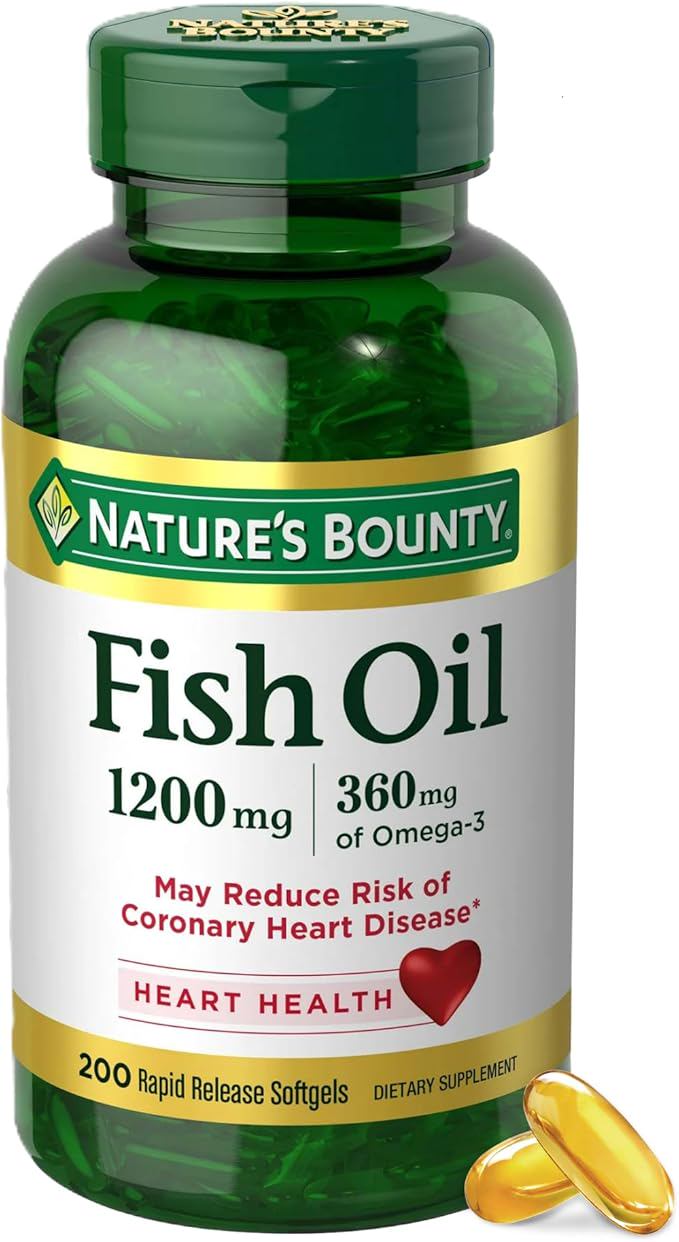
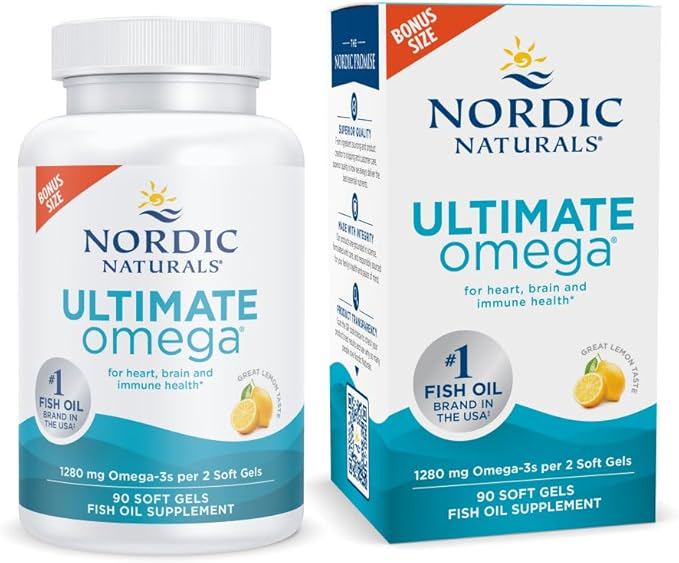
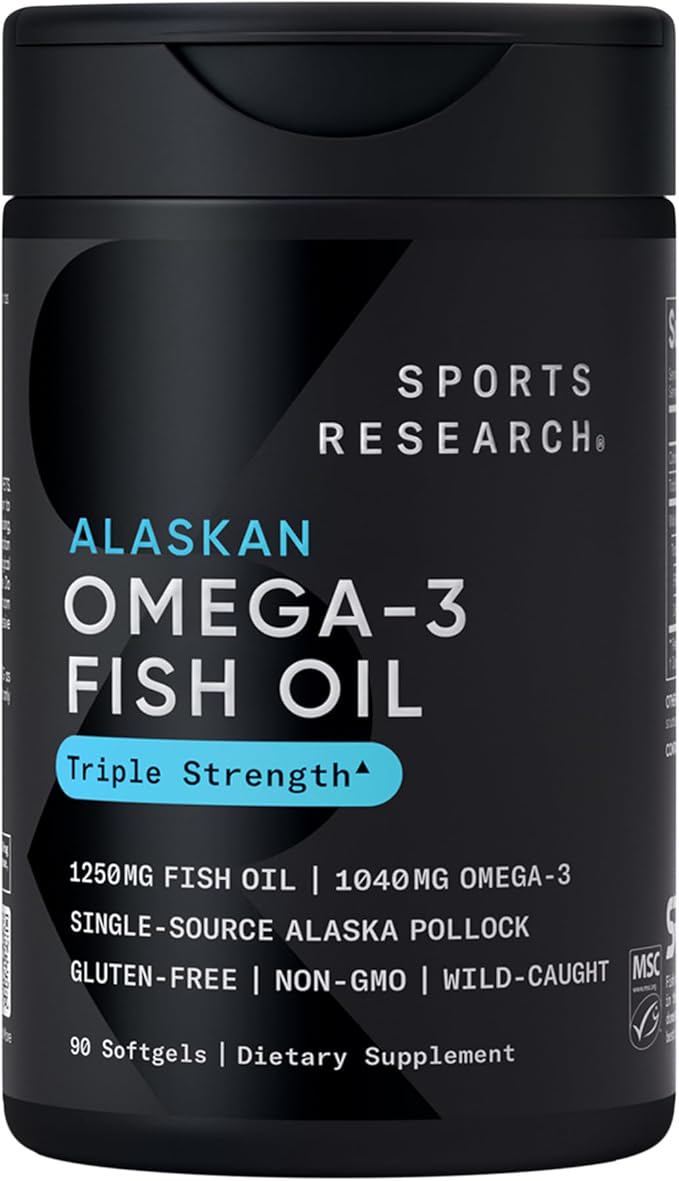
Omega-3 fatty acids are celebrated for their anti-inflammatory properties. Chronic, low-grade inflammation can affect many bodily systems, and some research suggests it may play a role in genitourinary symptoms. Omega-3s help build healthy cell membranes and may support the body's natural oil production.
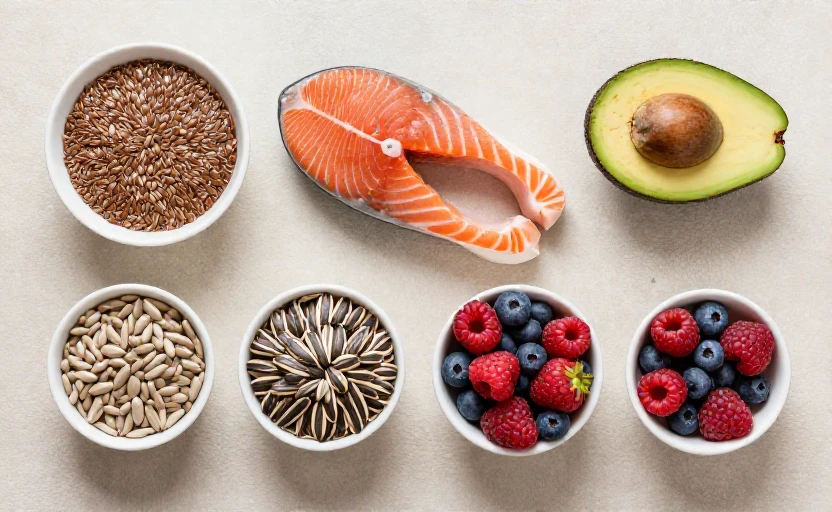
Flaxseeds are a potent plant-based source. They contain lignans, which are phytoestrogens—plant compounds with a very weak estrogen-like effect. While their impact is mild compared to the body's own hormones, they may offer a subtle supportive effect for some women. Try adding a tablespoon of ground flaxseed to oatmeal, smoothies, or yogurt.
Fatty fish like salmon, mackerel, and sardines provide direct omega-3s (EPA and DHA). These fats are fundamental for skin health and may help maintain the integrity of mucous membranes. Aiming for two servings of fatty fish per week is a standard recommendation for overall health.
Tip: Grind whole flaxseeds to unlock their nutrients; whole seeds may pass through undigested.
2. Vitamin E-Rich Foods: Sunflower Seeds and Avocado
Vitamin E is a powerful antioxidant that helps protect cells from oxidative damage. It's also deeply involved in skin health and moisture retention. Some women find that topical vitamin E oil can soothe dry skin, and consuming it supports these protective functions internally.
Sunflower seeds are a concentrated source. A small handful provides a significant portion of your daily vitamin E needs. They make an easy snack or a crunchy salad topping.
Avocados deliver a double benefit: they're rich in vitamin E and also provide monounsaturated fats, which help your body absorb fat-soluble vitamins (like E) and support supple skin. Their creamy texture is a bonus for overall dietary satisfaction.
3. Water-Rich Fruits and Vegetables: Cucumber and Berries
This category is all about foundational hydration and antioxidant support. Fruits and vegetables with high water content contribute directly to your daily fluid intake, which is essential for all mucous membranes.
Cucumbers are over 95% water. Adding them to salads, infusing water with them, or simply snacking on them is a refreshing way to boost hydration.
Berries—like strawberries, blueberries, and raspberries—are packed with water and vitamin C. Vitamin C is a critical co-factor for collagen production. Healthy collagen levels are key for maintaining the strength and elasticity of vaginal tissue. Berries also contain antioxidants that combat cellular stress.
What to Limit or Avoid
Just as some foods may support wellness, others might exacerbate dryness for some individuals. These are not universal triggers, but being mindful of your body's responses can be helpful.
- Caffeine and Alcohol: Both have diuretic effects, meaning they can lead to increased fluid loss and potentially contribute to dehydration if consumed in excess.
- High-Sodium Foods: Processed snacks and meals can disrupt fluid balance in the body.
- Excess Sugar: Diets very high in sugar may promote inflammation, which is counterproductive to tissue health.
It's less about strict elimination and more about balance. If you enjoy coffee or a glass of wine, be sure to compensate with plenty of water throughout the day.
A Holistic View Is Essential
Focusing on food is one piece of a much larger puzzle. Vaginal dryness is a legitimate health concern, and diet alone may not resolve it. It's crucial to consult with a healthcare provider—such as a gynecologist or a menopause specialist—to understand the root cause. They can discuss all available options with you, which may include:
- Over-the-counter vaginal moisturizers and lubricants.
- Prescription topical estrogen therapies in very low doses.
- Other medications or lifestyle adjustments tailored to your situation.
Think of nutritional support as a complementary strategy that works alongside, not instead of, professional medical advice. It's a way to care for your body comprehensively, fostering resilience from the inside while you address symptoms directly with appropriate products and treatments.