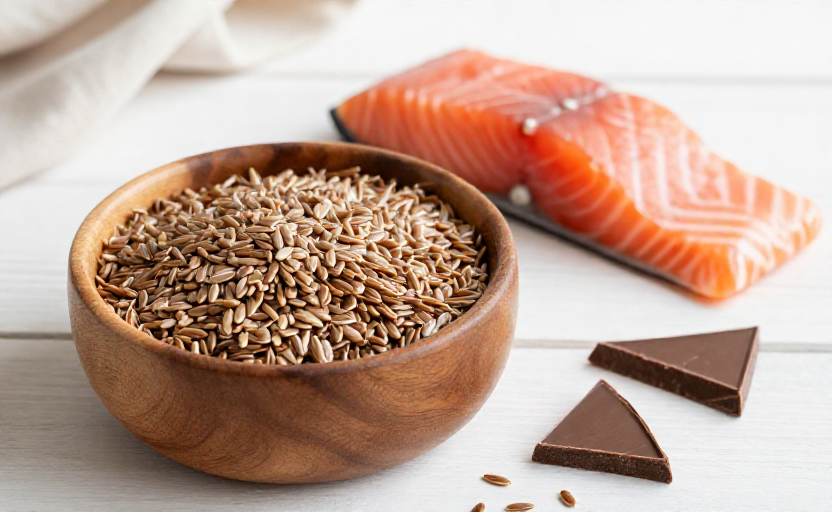
Painful intercourse, known medically as dyspareunia, affects many women at different life stages — whether postpartum, during perimenopause, or due to conditions like endometriosis. While medical guidance is essential for persistent pain, emerging research and traditional nutrition point to certain foods that may help by supporting hormone balance, improving blood flow, and reducing inflammation in pelvic tissues. Here are three foods that may naturally ease discomfort during sex.
How can the right foods help with painful sex?
Diet alone won't cure underlying medical conditions, but it can play a supportive role. Chronic inflammation, low estrogen levels, and poor circulation can all contribute to vaginal dryness and tissue sensitivity. Anti-inflammatory and phytoestrogen-rich foods may help by gently supporting tissue health and natural lubrication from within. Think of these foods as part of a broader approach: good sleep, stress management, pelvic floor exercises, and open communication with your partner and healthcare provider.
1. Flaxseeds — a natural source of plant estrogens
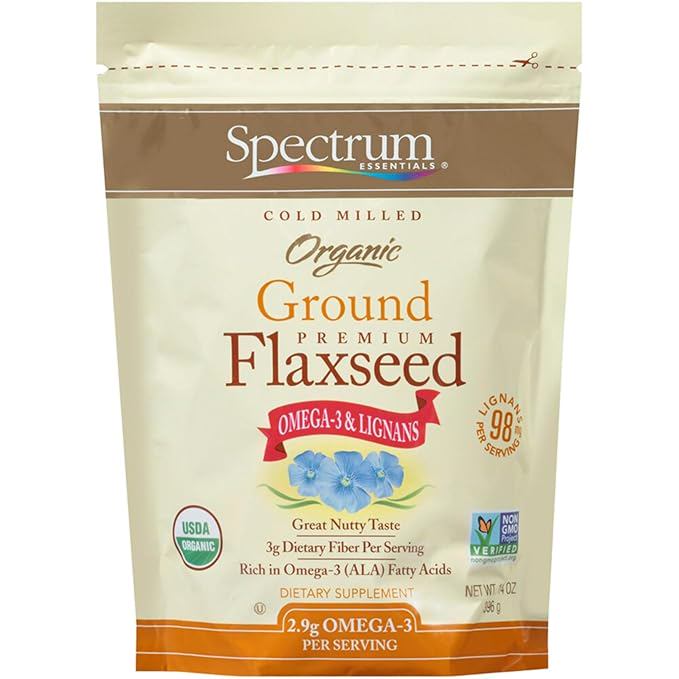
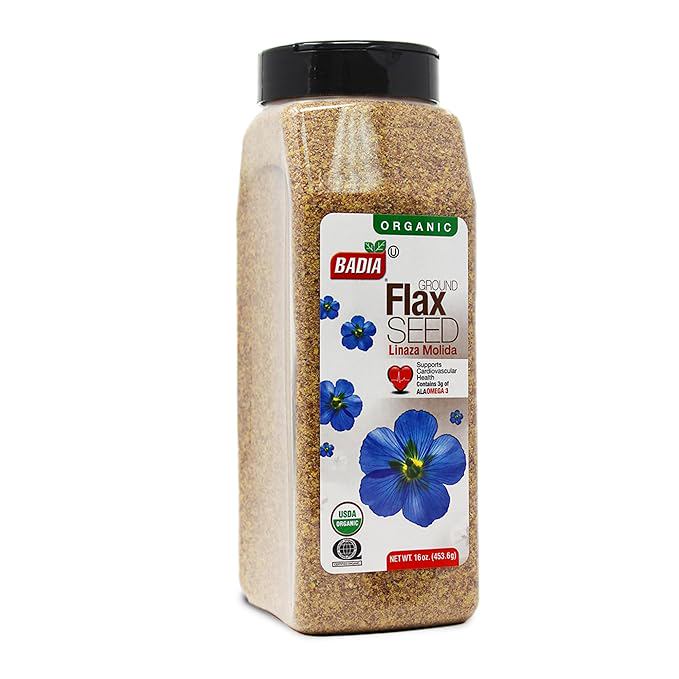
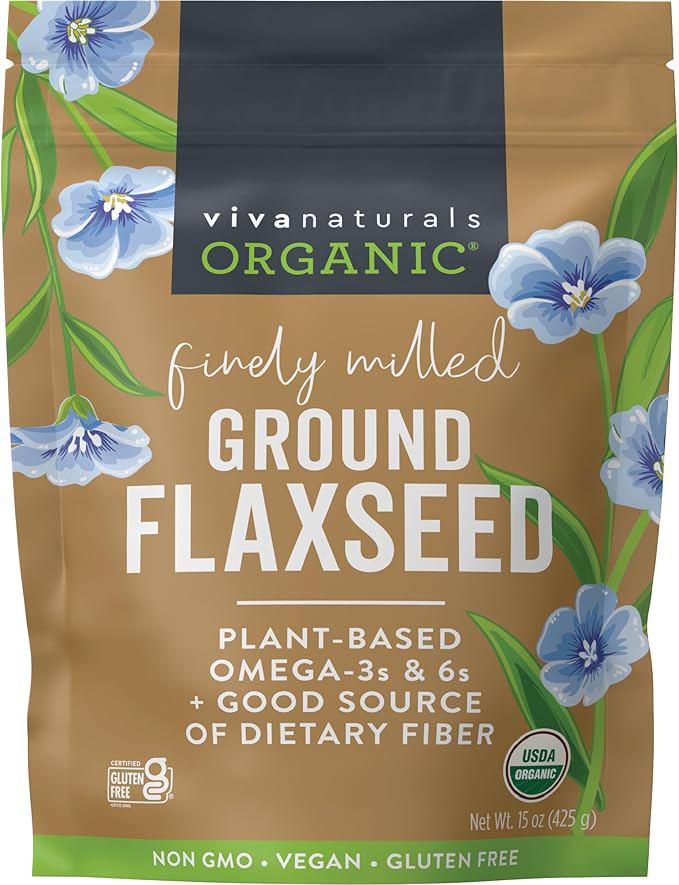
Flaxseeds are among the richest food sources of lignans, a type of phytoestrogen that can mildly mimic estrogen in the body. For women experiencing vaginal dryness due to low estrogen — common after childbirth, while breastfeeding, or during menopause — this gentle hormonal support may improve tissue elasticity and natural moisture.
Research suggests that regular consumption of ground flaxseed may help reduce vaginal atrophy symptoms. A 2018 study in the journal Menopause found that women who consumed flaxseed daily reported improvements in vaginal dryness and discomfort. Add a tablespoon of freshly ground flaxseed to your morning smoothie, oatmeal, or yogurt. Whole flaxseeds pass through undigested, so grinding them is key to unlocking their benefits.
Tip: Start with one tablespoon per day and drink plenty of water, as flaxseed is high in fiber.
2. Fatty fish — omega-3s for circulation and inflammation
Salmon, mackerel, sardines, and herring are packed with omega-3 fatty acids — specifically EPA and DHA. These healthy fats are powerful anti-inflammatory compounds that may help reduce pelvic inflammation linked to conditions like endometriosis or chronic pelvic pain. Better blood flow also supports vaginal tissue health and natural lubrication. A 2020 review in Nutrients highlighted omega-3s as beneficial for women's reproductive health, including improving vaginal blood flow. Aim for two servings of fatty fish per week. If you don't eat fish, a high-quality algae-based omega-3 supplement is an alternative.
3. Dark chocolate — magnesium for pelvic floor tension
Dark chocolate with at least 70% cocoa is rich in magnesium, a mineral that helps relax muscles — including the pelvic floor. Chronic tension in the pelvic floor can make intercourse painful, especially for women with conditions like vaginismus or postpartum tightness. Magnesium also helps lower stress hormone levels, which can indirectly reduce vaginal dryness and discomfort. A 2015 study in the Journal of Psychosomatic Obstetrics & Gynecology found that magnesium supplementation improved sexual response in women. A small square of high-quality dark chocolate daily may help. Pair it with pelvic floor relaxation exercises for even better results.
Beyond food: habits that work alongside these foods
While incorporating these foods, consider these evidence-based strategies to maximize their effect:
- Pelvic floor physical therapy: A therapist can teach targeted relaxation and strengthening exercises that complement dietary changes.
- Adequate hydration: Dehydration can worsen vaginal dryness. Drink plenty of water throughout the day.
- Stress reduction: Practices like deep breathing, yoga, or meditation help lower cortisol levels, which can interfere with arousal and lubrication.
"Painful intercourse is a common yet under-discussed issue. Diet alone is not a cure, but improvements to diet can help reduce inflammation, improve blood flow, and support hormonal balance — which may reduce discomfort over time." — Dr. Sandeep Chadha, consultant obstetrician and gynaecologist
When to see a doctor
If you experience persistent pain during intercourse, it's important to consult a gynecologist or a pelvic health specialist. Conditions like endometriosis, uterine fibroids, pelvic inflammatory disease, or vaginal atrophy require proper diagnosis. Dietary changes can complement medical treatment, not replace it. And remember: painful sex is never 'normal' — you deserve care and support.
Start small. Add flaxseed to your breakfast, enjoy salmon for dinner, and savor a square of dark chocolate as a mindful treat. Paired with pelvic floor exercises and open conversations with your partner, these foods may help you rediscover comfort and pleasure.