
For adults navigating the daily challenges of ADHD — distraction, restlessness, impulsivity, and brain fog — diet is not a replacement for professional treatment, but it can be a steady, supportive layer in a broader management plan. Registered dietitians who specialize in mental health often point to protein, healthy fats, and specific nutrients as low-effort ways to steady focus and energy throughout the day. Below are three food categories that research and clinical experience suggest can help adults with ADHD feel more balanced, without demanding a total diet overhaul.
1. Protein-rich foods for sustained focus
Starting the day with protein is one of the simplest strategies dietitians recommend for adults with ADHD. Protein breaks down into amino acids, which the brain uses to produce dopamine and norepinephrine — two neurotransmitters that regulate attention, motivation, and impulse control. Because ADHD is closely linked to lower dopamine activity, giving the brain the building blocks it needs can make a noticeable difference.
Think eggs, Greek yogurt, cottage cheese, lean poultry, fish, tofu, or a quality protein powder. Even a handful of pumpkin seeds or almonds counts. The goal is to pair protein with breakfast, lunch, and snacks, not just dinner. Many dietitians suggest aiming for 15 to 25 grams of protein per meal, though individual needs vary. A smoothie with Greek yogurt and hemp seeds, scrambled eggs with spinach, or a turkey-and-cheese roll-up can keep blood sugar steady and mental clarity sharper for hours.
2. Fatty fish (and omega-3s) for brain health
Omega-3 fatty acids — especially EPA and DHA — are among the most studied nutrients for brain function, and dietitians frequently flag them as under-consumed in adults with ADHD. These healthy fats help support the structure of brain cell membranes and reduce low-grade inflammation, which can worsen symptoms like distractibility and mental fatigue.
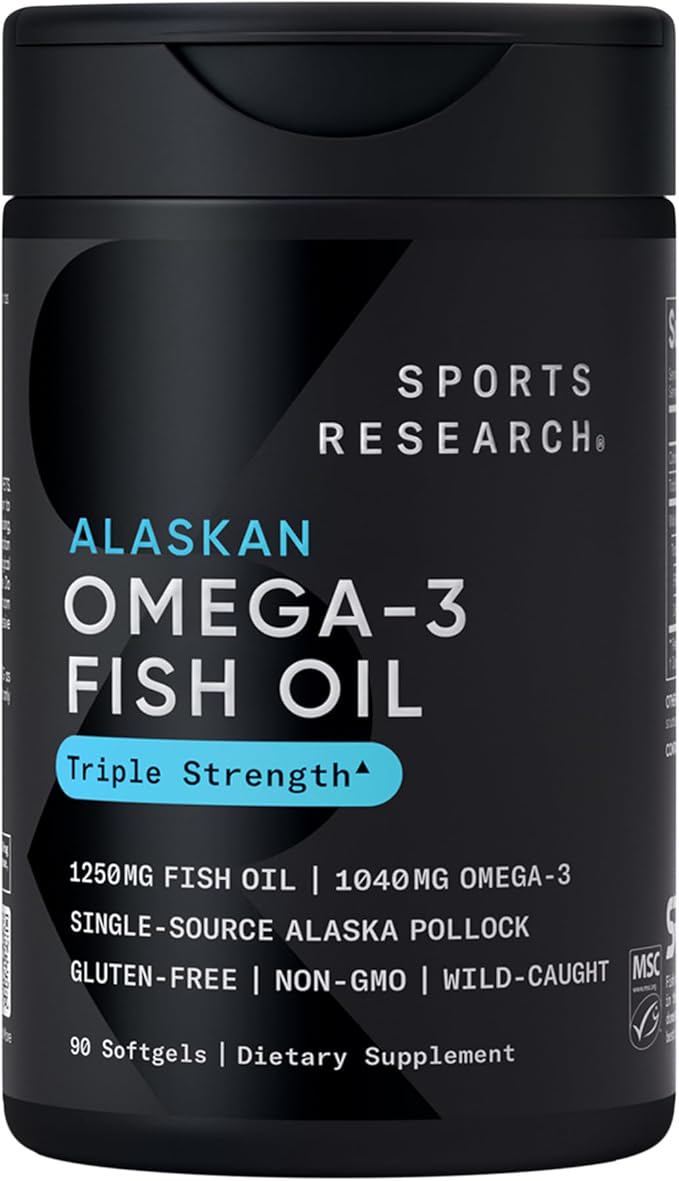
Salmon, sardines, mackerel, herring, and anchovies are the most concentrated dietary sources. For adults who don't eat fish regularly, dietitians often suggest a high-quality fish oil supplement (check with a healthcare provider first), or plant-based alternatives like algae oil. Aim for at least two servings of fatty fish per week. Even one can help — and it doesn't have to be fancy. Canned wild salmon on a salad or sardines on whole-grain toast are quick, affordable options.
3. Complex carbohydrates for mood and sleep
Not all carbs are created equal, and dietitians emphasize that complex, fiber-rich carbohydrates are especially important for adults with ADHD. Unlike simple sugars — which cause sharp spikes and crashes in blood glucose that can worsen irritability and inattention — complex carbs provide a slow, steady release of energy. They also support serotonin production, which helps regulate mood and sleep quality.
Choose whole oats, quinoa, brown rice, lentils, beans, sweet potatoes, and vegetables. Avoid refined flour and sugary snacks, which can lead to rebound fatigue and brain fog.
Many adults with ADHD struggle with poor sleep, and eating a small complex-carb snack in the evening — like a small bowl of oatmeal or an apple with nut butter — can promote deeper rest by helping the brain convert tryptophan into melatonin. It's a gentle, food-based way to support the circadian rhythm without relying on supplements or sleep aids.
Putting it all together: a daily pattern, not a prescription
Dietitians stress that no single food “cures” ADHD, and nutrition works best as part of a consistent routine. The goal is not perfection but pattern: protein at most meals, omega-3s a few times a week, and complex carbs that don't spike blood sugar. Hydration, enough sleep, and regular movement all amplify the benefits of these foods, and real-life flexibility matters more than rigidity.
If you are managing ADHD, consider experimenting with one change at a time — maybe a higher-protein breakfast or adding a sardine salad for lunch — and notice how your focus and energy respond over a few days. Small shifts, repeated steadily, often add up to real relief.